
Vegetables
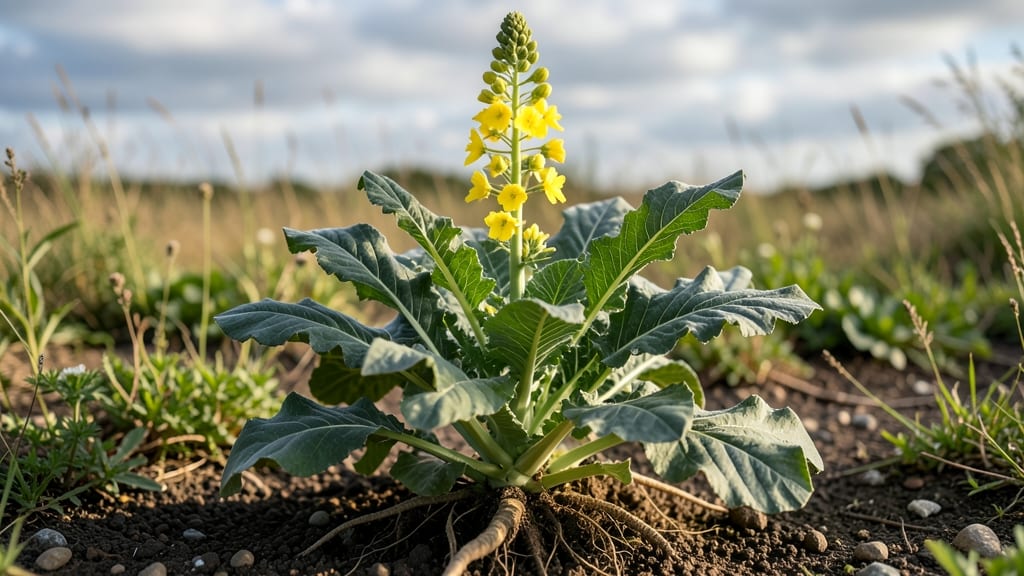
Wild cabbage (Brassica oleracea) is the rugged ancestor of kale, broccoli, and Brussels sprouts—hardy enough to thrive where nothing else will. 🌿 I grew mine last winter in a rocky corner of the yard, and the plants kept producing tender leaves even under snow.
This isn't your grandmother's garden plant; it's a survivor that rewards patience with year-round harvests.
The secret to success lies in mimicking its wild habitat: well-draining soil (even rocky), full sun, and minimal fuss. I swear by a no-dig approach—just scatter seeds in fall, let nature work its magic, and avoid overwatering.
Wild cabbage handles poor soil better than most brassicas, making it perfect for neglected patches or container growing. The key is patience; young plants grow slowly but become tougher with each frost.
By early spring, you'll have a bushy plant with leaves that taste sweeter after cold snaps. Harvest outer leaves to encourage regrowth, and watch it bounce back like a weed.
The flavor? A mix of cabbage and arugula with a peppery kick—perfect for salads, sautéing, or fermenting. Even my black thumb can't kill this one.
This plant thrives in zones 3-9 and handles neglect like a champ. Try it in fall for a winter harvest or spring for summer greens. The only challenge? Keeping squirrels from nibbling seeds—cover with netting if needed. Once established, it's basically maintenance-free.
📚 In This Guide
- What you need
- Instructions
- Tips and common mistakes
- Wrapping up and next steps
What you need
- ● Seeds or seedlings: 50–100 Brassica oleracea seeds (or 10–20 seedlings) for a small plot. Choose heirloom or wild-type varieties for authenticity.
- ● Well-draining soil: 1–2 cubic yards of fertile, slightly acidic soil (pH 6.0–7.0). Mix in 2–3 inches of compost or aged manure for nutrients.
- ● Sunlight: Full sun (6+ hours daily) or partial shade (4+ hours) in hot climates.
- ● Watering can or hose: With a gentle spray nozzle for even moisture.
- ● Fertilizer: Balanced organic fertilizer (e.g., 10-10-10) or compost tea. Apply every 4–6 weeks.
- ● Mulch: Straw, grass clippings, or wood chips (2–3 inches) to retain moisture and suppress weeds.
- ○ Garden stakes or cages: 3–4 feet tall to support heavy heads (optional for dwarf varieties).
- ● Garden trowel or transplanter: For digging seed holes (1/2 inch deep) or moving seedlings.
- ● Pruners or sharp scissors: For harvesting outer leaves or trimming damaged foliage.
- ● Gloves: Heavy-duty gardening gloves to protect against thorns (common in wild types).
- ● Row cover or frost cloth: For cold climates (spring/fall protection).
- ○ Pest deterrents (optional): Neem oil or insecticidal soap for aphids/cabbage worms.
- ● Row covers to block cabbage moths.
- ● Patience: Wild cabbage matures in 90–180 days, depending on variety and climate.
- ● Space: 12–18 inches between plants (24+ inches for large varieties).
- ● Consistency: Keep soil evenly moist (not soggy) during germination and growth.
- ● Cold tolerance: Wild cabbage thrives in USDA Zones 3–10; some varieties handle light frost.
How to cultivate wild cabbage (Brassica oleracea) for year-round harvests
Wild cabbage is the ancestral form of all your favorite brassicas—here's how to grow it like a hardy, low-maintenance perennial.
🌱 Step 1: Choose the Right Site and Prepare the Soil
Wild cabbage thrives in full sun to partial shade with well-draining soil. I always pick a spot that gets at least 6 hours of direct sunlight daily—this ensures strong stems and robust leaf growth. Avoid low-lying areas where cold air pools, as wild cabbage can tolerate frost but not soggy roots.
Loosen the soil to a depth of 12 inches using a broadfork or garden fork. Wild cabbage prefers slightly acidic to neutral soil (pH 6.0-7.0). If your soil is heavy clay, mix in 2-3 inches of compost to improve drainage. The goal is soil that crumbles easily when squeezed—like a damp sponge.
🌱 Step 2: Plant Seeds or Transplants at the Right Time
For direct sowing, plant seeds 4-6 weeks before your last frost date in spring or 8-10 weeks before the first expected frost in fall. Wild cabbage seeds germinate best at 60-70°F, so avoid planting when soil temperatures drop below 50°F. I like to sow seeds ¼ inch deep, spacing them 18 inches apart in rows 2 feet apart.
If starting from transplants, choose well-established plants with 4-6 true leaves and sturdy stems. Transplant on a cool, cloudy day to reduce stress. Water deeply before and after planting to encourage root establishment. You’ll see new growth within 7-10 days if conditions are right—watch for the first true leaves to appear above the cotyledons.
💧 Step 3: Water and Fertilize for Strong Growth
Water deeply 1-2 times per week, aiming for 1 inch of water per week, including rainfall. Wild cabbage is drought-tolerant once established, but young plants need consistent moisture to prevent bolting. You’ll know it’s time to water when the top 2 inches of soil feel dry to the touch.
Fertilize lightly with a balanced organic fertilizer (10-10-10) at planting and again 6 weeks later. Too much nitrogen leads to lush leaves but weak stems—wild cabbage needs a steady supply of nutrients without excess. I also side-dress with composted manure in early spring to boost soil fertility naturally.
☀️ Step 4: Protect and Maintain Through the Seasons
Wild cabbage is remarkably hardy but benefits from light row covers in early spring or late fall to protect young plants from pests like cabbage worms. I use floating row covers secured with bricks or stakes—this lets sunlight and water through while keeping pests out.
Harvest outer leaves as needed, leaving the inner growth to continue producing. You’ll get year-round harvests if you plant in both spring and fall. In winter, mulch heavily with straw or leaves to insulate roots and prevent freezing. Wild cabbage can survive down to 10°F, but extreme cold may cause leaf damage.
✂️ Step 5: Prune and Extend the Plant’s Lifespan
Prune old or damaged leaves regularly to encourage new growth. Cut back one-third of the plant in early spring to stimulate bushier growth. Wild cabbage can live for 3-5 years if given proper care, but it may eventually decline due to disease or pests.
To propagate, take 4-inch stem cuttings in early spring and root them in moist sand. Keep them in a shaded, humid environment until roots form (3-4 weeks). This is how wild cabbage naturally spreads—you’ll see new shoots popping up around the mother plant if you leave it undisturbed.
Tips & tricks for growing hardy wild cabbage
These practical insights will help you cultivate wild cabbage like a seasoned gardener—even if you're new to brassicas.
Soil Preparation Secret: When loosening soil to that 12-inch depth in Step 1, focus on breaking up compacted layers without disturbing the natural soil structure too much. I like to use a broadfork to create channels for roots rather than turning the soil completely. This preserves beneficial soil organisms while improving drainage. For clay-heavy soils, mix in 2-3 inches of compost and let it sit uncovered for a week before planting—this helps break down clumps naturally.
Planting Precision: The ¼-inch depth for seeds in Step 2 might seem shallow, but wild cabbage seeds need light to germinate. Press them gently into the soil rather than burying them deeper—this ensures they won't rot while still staying protected. For transplants, look for those 4-6 true leaves that are dark green and firm to the touch. Yellowing or wilted leaves signal stress from poor growing conditions.
Watering Wisdom: That 1-2 times per week guideline in Step 3 assumes average rainfall. In hotter climates, you might need daily watering for young plants until they establish roots. The top 2 inches dry test works best in the morning—watering at this time prevents fungal issues that thrive in evening moisture. For container-grown wild cabbage, check soil moisture more frequently since pots dry out faster.
Seasonal Protection: Those light row covers in Step 4 are worth their weight in gold for preventing cabbage worm damage. I've found that using fine mesh fabric covers (not plastic) allows for better airflow while blocking pests. In winter, when temperatures drop toward 10°F, add an extra layer of mulch around the base of plants to protect roots from freeze-thaw cycles that can damage them.
Pro Tips for Brassica Oleracea Wild Cabbage
- These practical insights will help you cultivate wild cabbage like a seasoned gardener—even if you're new to brassicas.
- Soil Preparation Secret: When loosening soil to that 12-inch depth in Step 1, focus on breaking up compacted layers w...
- Planting Precision: The ¼-inch depth for seeds in Step 2 might seem shallow, but wild cabbage seeds need light to ger...
Frequently asked questions
Got questions about growing or using Brassica oleracea (wild cabbage)? You’re not alone! Here are some of the most common queries—and their answers—to help you navigate this versatile plant with confidence.
How long does it take for wild cabbage to mature?
Most varieties of Brassica oleracea take 60–120 days to reach harvest, depending on the type. Leafy greens (like kale or collards) mature faster (45–60 days), while heads (cabbage, broccoli) take longer (80–120 days). Check seed packets for exact timelines!
Can I grow wild cabbage in hot climates?
While it thrives in cooler weather, many Brassica oleracea varieties (like kale or broccoli raab) tolerate heat if given shade and consistent water. Opt for bolt-resistant hybrids (e.g., ‘Tasty Green’ kale) and harvest leaves early to avoid bitterness.
What can I substitute if I can’t find wild cabbage seeds?
No problem! Try these close relatives: kale, collard greens, broccoli raab, or mustard greens. They share similar growing habits and flavors but may vary in texture. For a true wild cabbage experience, look for heirloom Brassica oleracea var. sylvestris seeds.
Why are my wild cabbage leaves turning yellow or wilted?
Yellowing leaves often signal overwatering, pests (like aphids), or nutrient deficiencies. Check soil moisture (let it dry slightly between waterings) and inspect undersides of leaves for bugs. Boost nitrogen with compost or a balanced fertilizer if growth stalls.
How do I store harvested wild cabbage?
Store heads (like cabbage) in a cool, humid place (32–40°F) for up to 2 weeks. For leafy varieties, trim stems, wrap in a damp towel, and refrigerate in a bag for 5–7 days. Freeze chopped leaves for soups or smoothies!
Wrapping up and next steps
Brassica oleracea wild cabbage isn’t just a hardy survivor—it’s a versatile powerhouse for gardeners and foragers alike. Whether you’re drawn to its resilience, nutritional benefits, or the joy of harvesting fresh greens year-round, this ancient plant offers endless possibilities. 🌱
Ready to dive deeper? Start small—grow a patch in your garden, experiment with recipes, or explore local wild varieties. Every step you take connects you to centuries of agricultural wisdom and a sustainable future. Happy growing!