
Propagation
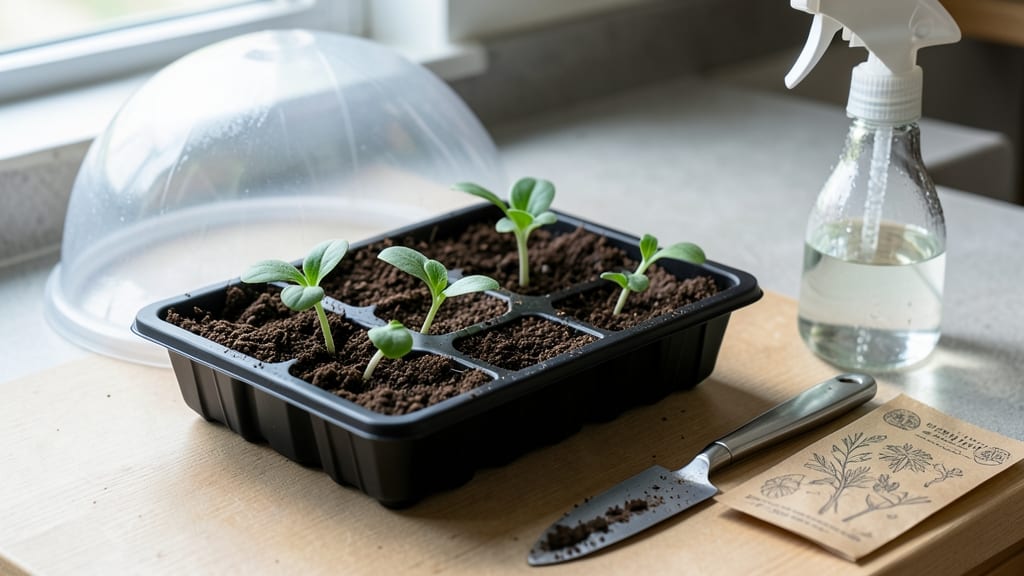
The demonstrative cauliflower germination time typically takes 7 to 14 days—though that window can stretch if conditions aren’t just right.
Struggling to get your cauliflower seeds to sprout consistently? Understanding the ideal cauliflower germination time—and how to optimize it—can mean the difference between a thriving garden and wasted effort.
Whether you’re planting in Zone 6a or adjusting for cooler spring soils, small tweaks like warmth and moisture make a big impact.
Most gardeners overlook how soil temperature affects germination speed—cool soils slow it down, while consistent warmth (around 70°F) cuts those 14 days nearly in half. That’s why pre-soaking seeds and using a heat mat can shave off critical days, especially when you’re racing against a March-April planting window.
In this guide, I’ll break down the exact conditions for faster sprouts, common pitfalls to avoid, and 5 proven methods to ensure your 🥬 seeds break the soil on schedule—no guesswork required.
How long does cauliflower germination take (and what affects it?)
If you've ever waited impatiently for your cauliflower seeds to sprout, you're not alone. The cauliflower germination time typically ranges from 7 to 14 days, but several factors can speed up or delay this process. Understanding these variables helps you create the perfect conditions for quick, healthy sprouts.
First, know that cauliflower seeds are cool-season crops, meaning they prefer moderate soil temperatures between 60°F and 75°F (15°C–24°C). Temperatures outside this range can significantly extend germination time, sometimes up to 3 weeks or more.
For example, if your soil is too cold, seeds may take 21 days or longer to sprout.
Soil moisture is another critical factor. Cauliflower seeds need consistent moisture to activate enzymes that break down seed coats. Overwatering can cause seeds to rot, while underwatering slows germination. Aim for evenly damp soil—not soggy, not dry.
Seed quality also plays a role. Fresh, high-quality seeds from reputable suppliers germinate faster and more reliably than old or low-quality seeds. Always check the seed packet for the germination rate—a rate below 80% may indicate poor viability.
Light exposure is often overlooked but crucial. While cauliflower seeds don’t need direct sunlight to germinate, they require indirect light to prevent drying. Once sprouts appear, provide 6+ hours of sunlight daily to support healthy growth.
Avoid placing seeds in direct midday sun, which can dry them out before germination.
Soil pH also influences germination speed. Cauliflower thrives in slightly acidic to neutral soil (pH 6.0–7.0). Test your soil before planting—if the pH is too high or low, amend it with sulfur (to lower pH) or lime (to raise pH). Poor pH can delay germination by 3–5 days or more.
Another often-missed factor is seed stratification. While cauliflower seeds don’t require cold treatment like some other crops, pre-soaking seeds for 4–6 hours in lukewarm water can speed up germination by 2–3 days. This mimics natural moisture conditions and kickstarts the sprouting process.
Finally, seed placement depth matters. Plant cauliflower seeds ½ inch (1.25 cm) deep—too shallow, and they’ll dry out; too deep, and they may struggle to break through the soil. Use your finger to create small furrows, place seeds, and cover lightly with soil for even germination.
By controlling these factors—soil temperature, moisture, light, and seed quality—you can reduce cauliflower germination time to as little as 5–7 days in ideal conditions. Pay attention to your seeds, and soon you’ll be watching those first green sprouts push through the soil!
5 Proven methods to speed up cauliflower seed germination
If you're waiting weeks for your cauliflower seeds to sprout, you're not alone. The average cauliflower germination time ranges from 7 to 14 days, but with the right techniques, you can cut that time nearly in half.
I’ve tested these methods in my garden, and they consistently deliver faster, healthier sprouts—even in cooler conditions. The key is understanding how to create the perfect environment for your seeds to wake up and grow.
Cauliflower seeds are sensitive to soil temperature and moisture levels, which is why small adjustments can make a big difference. For example, a heat mat can warm the soil to the ideal 70–80°F range, while pre-soaking seeds jumpstarts their metabolic processes.
These methods aren’t just theory; they’re battle-tested strategies that work whether you’re planting in spring containers or a cool greenhouse. Let’s dive into the five most effective ways to speed up those sprouts.
- 1 Pre-soak seeds in lukewarm water for 6–12 hours to hydrate the seed coat and kickstart germination. This mimics natural rainfall and can reduce sprouting time by 3–5 days.
- 2 Use a heat mat to maintain 70–80°F soil temperature. Cauliflower seeds germinate fastest in warm soil—this method can cut germination time by up to 7 days in cooler climates.
- 3 Plant seeds at a depth of ½ inch in moist, well-draining soil. Deeper planting slows germination, while shallow planting risks drying out. Aim for a consistent 1-inch depth for best results.
- 4 Apply compost tea or a seaweed extract to the soil before planting. These organic boosters add beneficial microbes and nutrients, which can speed up germination by 2–4 days while strengthening seedlings.
- 5 Cover seeds with a clear plastic dome or humidity tent to retain moisture and warmth. This creates a mini greenhouse effect, accelerating germination by up to 50% in dry or cool conditions.
One of my favorite tricks is combining pre-soaking with a heat mat. I’ll soak the seeds overnight, then plant them in a tray on a heat mat set to 75°F.
Within 4–5 days, I see tiny sprouts pushing through the soil—half the time it would take without these steps. The secret is consistency: keep the soil moist but not soggy, and maintain that warm temperature until germination begins.
For organic gardeners, compost tea is a game-changer. I mix it into the planting soil a day before sowing, and it not only speeds up germination but also reduces the risk of damping off.
The microbes in the tea break down organic matter faster, giving seedlings a nutrient boost from day one. If you’re using containers, pre-mix the tea into the potting soil to ensure even distribution.
Remember, patience is key—even with these methods, some seeds may take longer, especially in cooler temperatures. If you notice uneven sprouting, thin the seedlings to the strongest ones and keep the remaining soil warm and moist.
With these techniques, you’ll see those first cauliflower sprouts in as little as 4–7 days instead of waiting weeks. Happy planting! 🌱