
Flowers
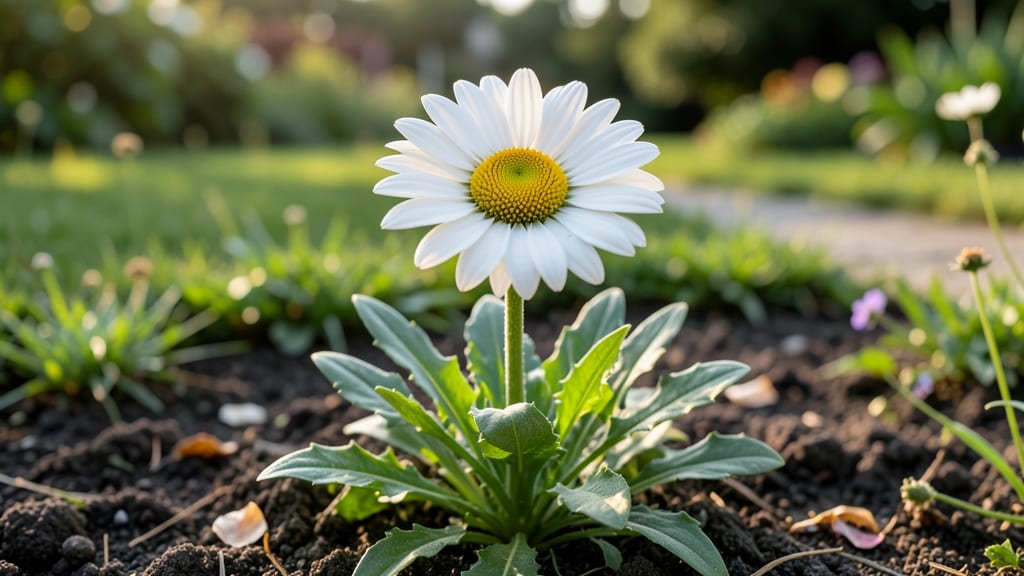
The daisy flower season brings vibrant blooms 🌼 that can transform your garden from ordinary to extraordinary — but timing is everything.
Picture this: you’ve just planted your daisies in early spring, only to watch them wilt under a late frost or struggle to bloom before summer’s heat sets in. That’s why knowing the exact months for planting and peak blooming in your zone makes all the difference.
Whether you’re growing annuals like African daisies or perennials like Shasta daisies, the right timing ensures longer blooms and healthier plants. Below, I’ll break down the ideal planting windows and blooming periods for your hardiness zone, so you can enjoy a garden full of cheerful daisies all season long.
From preparing the soil in early spring to extending blooms into fall, you’ll discover the key steps to maximize your daisy flower season and avoid common mistakes that ruin blooms.
Daisy flower season by USDA hardiness zone: exact months for planting and blooming
Timing is everything when it comes to growing daisies. Whether you're planting perennial varieties like Shasta or vibrant annuals such as African daisies, knowing your USDA hardiness zone and local climate will determine when to plant for maximum blooms.
In colder zones, you'll want to start early, while warmer climates offer longer planting windows. Let's break down the exact months for planting and blooming across Zones 3-11 to ensure your garden stays cheerful all season long. 🌼
Daisies thrive in full sun and well-draining soil, but their planting and blooming seasons vary dramatically depending on where you live. For example, Zone 3 gardeners should plant in late spring to avoid frost damage, while Zone 11 gardeners can enjoy year-round growth with minimal seasonal adjustments.
Understanding these differences helps you avoid common mistakes like planting too early or too late, which can stunt growth or prevent blooming entirely. Let's dive into the specifics for each zone to help you plan your daisy garden like a pro. ☀️
Daisy Planting and Blooming Guide by USDA Zone
In Zones 3-5, where winters are harsh, focus on planting perennial daisies like Shasta daisies in late April or early May after the last frost date. These zones typically see their first blooms in June, with continuous flowers through September if you deadhead regularly.
For annual varieties, start seeds indoors in March to give them a head start before transplanting. Mulching in late fall will protect the roots from freezing temperatures and ensure a stronger start in spring. 🌱
Gardeners in Zones 6-8 enjoy the most flexibility, with planting windows stretching from March through May. This range allows for both spring and fall planting, giving you blooms from May through October.
For example, planting Oxeye daisies in early spring will yield summer blooms, while late summer planting can extend color into fall. These zones are perfect for perennial daisies that return year after year with minimal effort.
Just ensure your soil is well-draining to prevent root rot during the humid summer months. ✂️
Warmer climates in Zones 9-10 offer unique opportunities for seasonal blooming. Plant in September or October for winter flowers, or choose February or March for spring blooms. African daisies, for instance, thrive in these zones and can produce vibrant flowers from October through April if planted correctly.
Avoid planting in peak summer to prevent heat stress, and provide afternoon shade to keep foliage lush. Container gardening works well here, allowing you to move plants as needed. 🪴
If you live in Zone 11, you're in luck—daisies can bloom year-round with the right care! Plant in early spring or fall to avoid the intense summer heat. Gerbera daisies, for example, love the mild winters and can produce continuous blooms from spring through fall.
To keep them thriving, water deeply in the morning and provide afternoon shade during the hottest months. This zone is ideal for experimenting with tropical daisy varieties that won't survive in colder climates. 🌡️
No matter your zone, soil preparation is key to successful daisy growth. Amend your soil with compost before planting to ensure good drainage and nutrient availability. Daisies prefer slightly alkaline soil with a pH between 6.0 and 7.0, so test your soil and adjust if needed.
Adding a layer of mulch after planting helps retain moisture and suppress weeds, reducing the need for frequent watering. This simple step can make a huge difference in your daisies' overall health and bloom abundance. 💧
One common mistake gardeners make is planting daisies too close together, which can lead to crowded growth and fewer blooms. Space plants 12-24 inches apart, depending on the variety, to allow for proper airflow and light penetration.
Overcrowding also increases the risk of fungal diseases, so give your daisies room to breathe. If you're growing daisies in containers, choose pots with drainage holes and use a high-quality potting mix to prevent root rot. 🌿
To extend your daisy blooming season, practice regular deadheading—removing spent flowers encourages new blooms to form. For perennial daisies, cut back foliage in late fall to promote fresh growth in spring.
In warmer zones, you can also succession plant annual varieties every few weeks to ensure a continuous display of color. With the right timing and care, your daisy garden can stay vibrant from early summer through fall, or even year-round in the right climate.
How to extend daisy blooming season: proven techniques for year-round color
Want your daisies to bloom continuously instead of just seasonal bursts? The secret lies in proactive care and smart techniques. Daisies naturally follow summer's peak bloom cycle, but with the right approach, you can extend their season by 2-4 months.
Let me show you how to keep those cheerful faces popping up year-round.
First, understand that perennial daisies (like Shasta or Gerbera) have built-in dormancy cycles, while annual varieties (like African daisies) thrive on constant blooming triggers. Your goal is to trick both types into thinking it's always prime blooming time.
Start with deadheading—this simple step removes spent blooms and signals the plant to produce more.
Deadhead Regularly
Snip off spent blooms at the base using clean pruning shears. For perennials, do this every 2-3 days during peak season. Annuals benefit from daily checks!
Fertilize Strategically
Use a balanced 10-10-10 fertilizer every 4-6 weeks during growing season. For extended blooms, switch to a low-nitrogen formula (5-10-10) in late summer to encourage flowers over foliage.
Companion Plant Wisely
Pair daisies with basil or marigolds to repel pests and attract pollinators. Avoid planting near mint or fennel, which can stunt growth. Containers work well for seasonal rotation—swap out faded plants for fresh bloomers.
Adjust Watering Patterns
Water deeply 2x/week in summer but reduce to weekly in fall. For container daisies, use self-watering pots to maintain moisture. Overwatering causes bloom rot—always check soil moisture before watering.
Seasonal Soil Boosts
Add compost in spring and bone meal in fall for phosphorus. For container daisies, refresh soil annually with peat moss to improve drainage. Test soil pH—daisies prefer 6.0-7.0.
Don't overlook seasonal adjustments. In fall, cut back perennial daisies by ⅓ to encourage new growth in spring. For winter blooms, protect container daisies with burlap wraps and move them to unheated garages (40-50°F) to trick them into blooming early.
For container gardens, rotate pots every 2 weeks to ensure even sunlight exposure. Use light-colored containers to reflect heat and keep roots cool. Group daisies with similar water needs to simplify care—this prevents over- or under-watering.
With these techniques, your daisies will bloom nonstop from early spring to late fall. The key is consistency—stick to your routine, and you'll enjoy year-round color with minimal extra effort. Happy gardening!