
Blooming
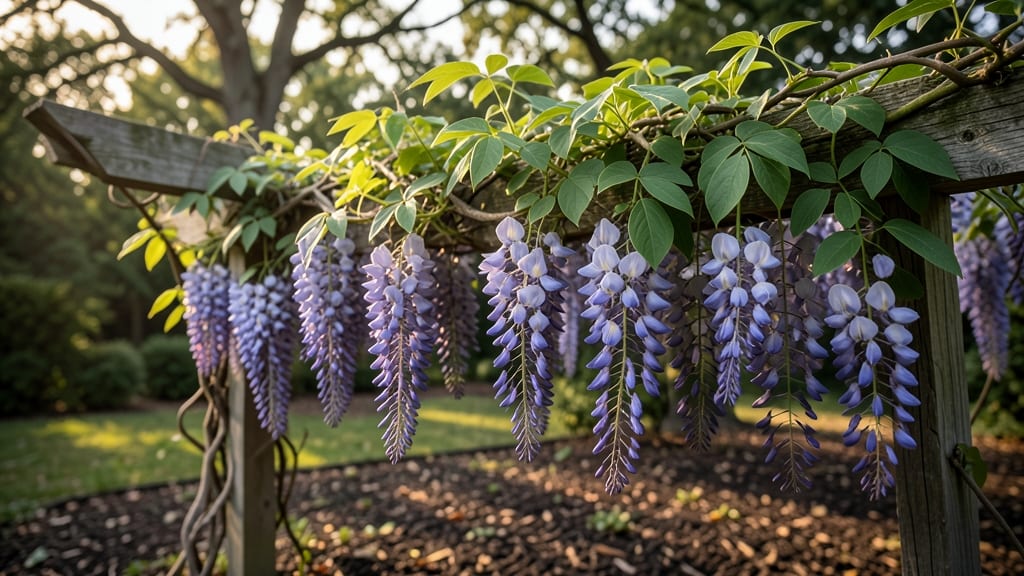
Your wisteria’s flowering season is the one-time show of the year—those fragrant, cascading clusters of 🌸 blooms that turn heads in spring—so timing your care is the key to making the most of it.
Picture this: You’ve patiently waited years for your wisteria to mature, only to wake up one morning and realize the buds never opened. Or worse, they’re already fading before you’ve even snapped a photo.
That’s the heartbreak of missing the 3-4 week bloom window most varieties offer, and it happens more often than you’d think.
In USDA Zone 6a—where many gardeners grow wisteria—the ideal bloom period stretches from late April through early May, but regional microclimates can shift that by weeks. Southern gardeners might see early blooms in March, while Northern growers could push their season into June.
The difference? Sunlight, soil, and pruning habits all play a role.
Here’s what you’ll discover: how to align your wisteria’s care with its natural bloom cycle, which varieties flower earliest or latest, and the simple pruning tricks that can extend your display by 2-3 weeks—plus how to troubleshoot if your plant throws a surprise and skips the show entirely.
Wisteria flowering season by USDA climate Zones: when to expect blooms
Timing your wisteria’s flowering season depends entirely on your USDA hardiness zone and the specific variety you’ve planted. In Zones 5-9, blooms can arrive as early as late April or as late as June, creating a stunning progression across the country.
Understanding these windows helps you plan pruning, fertilizing, and even photography sessions to capture the fleeting beauty.
Southern gardeners in Zones 8-9 often enjoy the longest wisteria bloom seasons, with some varieties like ‘Amethyst Falls’ starting as early as March. Meanwhile, Zone 5 gardeners may not see flowers until mid-May or later, depending on spring temperatures.
The key difference? Heat accumulation triggers blooming, so warmer climates get a head start.
🌸 Visual Guide: Below is a breakdown of wisteria flowering windows by zone, including popular varieties and their average bloom durations.
| USDA Zone | Bloom Window | Early Varieties | Mid-Season Varieties | Late Varieties | Avg. Duration |
|---|---|---|---|---|---|
| Zone 5 | Mid-May to early June | ‘Blue Moon’ (late) | ‘Prolific’ (standard) | ‘Amethyst Falls’ (rare in Zone 5) | 3-4 weeks |
| Zone 6 | Late April to mid-May | ‘Amethyst Falls’ (early) | ‘Prolific’ (reliable) | ‘Black Dragon’ (late) | 4-5 weeks |
| Zone 7 | Early April to late May | ‘Blue Moon’ (early) | ‘Prolific’ (long bloom) | ‘Jako’ (late) | 5-6 weeks |
| Zone 8 | March to early June | ‘Amethyst Falls’ (very early) | ‘Prolific’ (extended) | ‘Black Dragon’ (late) | 6-8 weeks |
| Zone 9 | February to June | ‘Amethyst Falls’ (earliest) | ‘Prolific’ (longest) | ‘Black Dragon’ (late) | 8-10 weeks |
Note: Bloom windows shift 1-2 weeks earlier in Southern states (e.g., Florida) vs. Northern states (e.g., Michigan).
In Zone 5, where winters are harsh, wisteria like ‘Blue Moon’ often bloom later because they need full heat accumulation to trigger flowers.
These varieties typically produce 3-4 weeks of blooms, while Zone 9 gardeners might enjoy 8-10 weeks of cascading flowers if they plant early-blooming types like ‘Amethyst Falls’.
Regional variations matter too. For example, Texas gardeners in Zone 8b might see ‘Amethyst Falls’ bloom as early as February, while New York gardeners in Zone 6a won’t see flowers until late April.
Even within the same zone, microclimates—like urban heat islands—can push blooms 1-2 weeks earlier.
If you’re growing multiple wisteria varieties, you can stretch your flowering season from early April to June by mixing early bloomers (like ‘Amethyst Falls’) with late bloomers (like ‘Black Dragon’). This creates a continuous display of color, perfect for garden photography or simply enjoying from your patio.
Pro tip: Track your local last frost date—wisteria needs consistent warmth to bloom. In Zone 6, if temperatures dip below 40°F after buds form, blooms may fail to open. Use frost cloth for young plants in Zones 5-6 to protect emerging buds during late spring frosts.
For gardeners in Zones 7-9, ‘Prolific’ wisteria is a stand
How to extend your wisteria’s flowering season: pruning and care hacks
Wisteria’s fragrant purple blooms are a garden highlight—but their short-lived beauty often frustrates growers. The secret to longer flowering seasons lies in strategic pruning timing and microclimate adjustments.
Most varieties bloom for just 2-3 weeks if left unmanaged, but with the right techniques, you can stretch that to 6-8 weeks or more.
Timing is critical: prune after flowering (late spring/early summer) to preserve next year’s blooms. Avoid over-pruning—this removes next season’s flower buds, which form on old wood. Instead, focus on selective thinning to improve air circulation and sunlight penetration, both of which prolong bloom duration.
Extending Wisteria’s Bloom Season: Pros & Cons
✅ DO THIS
- Deadhead spent blooms regularly to redirect energy to new flowers.
- Prune after flowering (late spring) to preserve next year’s buds.
- Provide 6+ hours of sunlight daily—more sun = longer blooms.
- Use reflective mulch (white gravel) to maximize light in shaded areas.
❌ AVOID THIS
- Pruning before flowering removes buds for next season’s blooms.
- Over-trimming old wood (where buds form)—keep 3-4 main stems.
- Planting in shade (e.g., under dense trees) shortens bloom duration.
- Ignoring aphid infestations, which sap energy from flowers.
Results vary by variety—test different methods to find what works for your wisteria type.
For urban gardeners, leverage microclimates to extend blooms. Wisteria thrives in heat islands (e.g., brick walls or pavement), where temperatures rise 5-10°F warmer than surrounding areas. Plant near south-facing walls to capture reflected heat, which triggers earlier budding and prolongs flowering by 2-3 weeks.
Deadheading is your secret weapon: snip off spent flower clusters (but leave 1-2 inches of stem) to prevent seed formation. This redirects the plant’s energy from seed production to new blooms.
Repeat every 7-10 days during peak season for continuous flowers. Pair this with a balanced fertilizer (10-10-10) applied in early spring to boost vigor.
Adjust your watering schedule too: wisteria needs deep, infrequent watering (every 7-10 days) to encourage root growth, which supports more blooms. Overwatering leads to weak stems and fewer flowers. Mulch with wood chips to retain moisture and regulate soil temperature—cooler roots in summer = longer-lasting blooms.
Pro tip: Train your wisteria to climb a trellis or arbor for better airflow. Crowded vines compete for sunlight, reducing bloom quality. Aim for a spread-out structure with horizontal branches—this mimics their natural habitat and maximizes flower exposure to sunlight, extending their lifespan by up to 50%.