
Advice
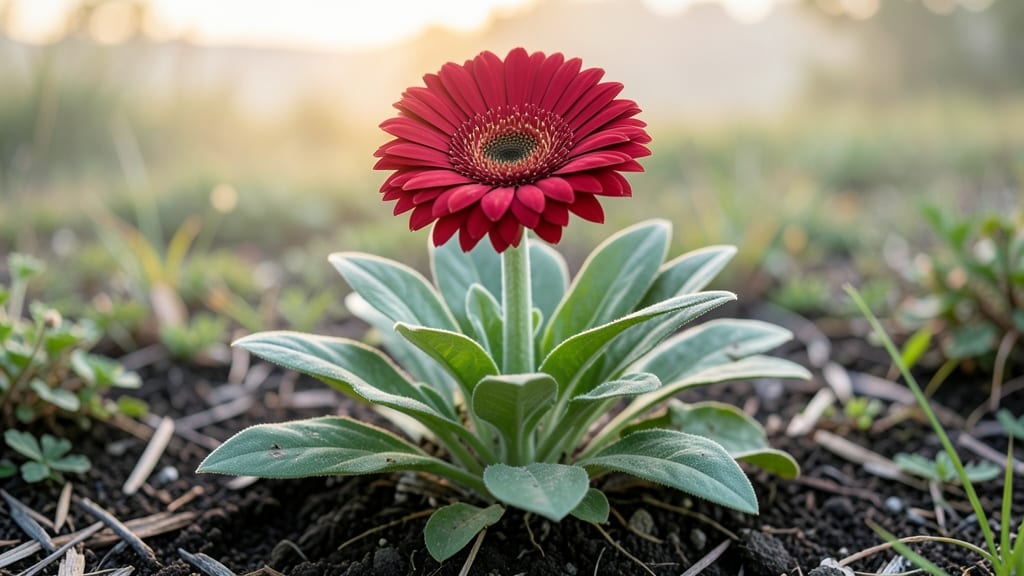
Gerbera daisies flower in late spring through autumn when planted at the right time and given the care they need 🌼 — but many gardeners miss the mark on timing, leaving them waiting months for those bright blooms.
Want vibrant gerbera daisies blooming in your garden year-round? Timing is everything — these cheerful flowers thrive when planted and cared for according to your USDA zone, but many gardeners struggle to predict their exact flowering windows.
In Zone 6a, like where I garden, gerberas planted in April will reward you with blooms by June, while warmer zones can enjoy near-continuous color from spring to frost.
The key lies in matching your planting schedule to your climate and giving them the light and warmth they crave.
Below, I’ll break down the exact months to plant for peak blooms in your zone, how to stretch your flowering season, and the 3 most common mistakes that keep gerberas from putting on their best show.
Gerbera flowering timeline by USDA Zones: when to plant for peak blooms
Timing your gerbera daisy planting by USDA zone ensures vibrant blooms from late spring through fall. These cheerful flowers thrive in warm climates but need precise care based on your region. Let's break down the ideal planting windows and flowering periods for Zones 7-11 to maximize your garden's color.
In USDA Zone 7, gerberas like 'Maverick' bloom from June to October when planted in April-May. Cooler nights trigger dormancy by November, so protect plants with mulch or move containers indoors. Varieties like 'Terry White' respond well to these conditions with continuous blooms if deadheaded regularly.
🌼
For Zone 8 gardeners, start planting gerberas in March-April for blooms from May to November. Varieties like 'Orange Queen' thrive with 6+ hours of sun daily. In late fall, apply a light frost cloth if temperatures dip below 25°F to protect tender foliage.
In warmer Zones 9-11, gerberas bloom nearly year-round with proper care. Zone 9 gardeners can plant in February-March for blooms from April to December. 'Pink Beauty' and 'Sunburst' varieties excel in these conditions with consistent moisture and balanced fertilizer every 4-6 weeks.
Zone 10 and 11 gardeners enjoy continuous blooms with minimal effort. Plant in January-February for year-round color, though you may notice slightly reduced blooms during monsoon season (July-September). Use well-draining soil to prevent root rot in heavy rains.
🌿
To extend your gerbera's flowering season, try staggered planting every 4-6 weeks. This creates a continuous bloom cycle from spring through fall. For example, plant 'Maverick' in April for summer blooms, then again in June for fall color.
In containers, move plants to bright indoor spaces during winter for indoor blooms.
Deadheading spent blooms is critical for prolonged flowering. Remove faded flowers by cutting the stem just above the next set of leaves. This encourages new buds to form and prevents the plant from wasting energy on seed production.
Pair this with regular watering (every 3-5 days) to keep soil consistently moist but not soggy.
💧
How to extend gerbera flowering seasons: tips for year-round color
Gerbera daisies naturally bloom from late spring to autumn in most USDA Zones 7-11, but with the right strategies, you can coax vibrant blooms nearly year-round. The key lies in understanding their light and temperature needs while protecting them from harsh seasonal shifts.
I’ve found that combining staggered planting with smart winter care creates a continuous display of color that keeps my garden lively even in cooler months.
For gardeners in cooler climates (Zones 5-6), extending the gerbera season requires extra effort, but it’s absolutely worth it. I’ve successfully grown gerberas in containers on patios and even indoors near sunny windows, proving that these cheerful flowers can adapt with the right conditions.
Let’s explore the practical techniques that have worked best for me—from mulching and row covers to indoor light adjustments.
Plant new gerbera batches every 4-6 weeks from spring to early summer. This ensures a continuous bloom cycle as older plants finish and new ones take over. For example, I plant my first batch in April, then follow up in May, June, and July for a seamless transition.
In Zones 7-9, apply a 4-6 inch mulch layer of straw or shredded leaves around the base. This insulates roots from freezing temperatures and helps maintain soil warmth. I’ve seen gerberas survive light frosts (28°F) with proper mulching, extending blooms into early winter.
Use floating row covers in fall and early spring to shield gerberas from chilling winds and light frosts. These lightweight fabrics trap heat while allowing sunlight and water through. I’ve kept gerberas blooming until November in Zone 8 using this method.
Move container gerberas indoors before the first frost and place them near a south-facing window or under grow lights (12-14 hours/day). I supplement natural light with a LED grow bulb in winter, which keeps my indoor gerberas blooming for 3-4 months straight.
In cooler zones (5-6), use heat mats under containers to extend the growing season. These raise soil temperatures by 10-15°F, helping gerberas thrive 2-3 weeks earlier in spring. I’ve started my first batch in March using this method, giving me blooms by late April.
Don’t overlook the power of regular deadheading—removing spent blooms encourages new flower production. I make it a habit to snip faded blooms daily during peak season, which has doubled my gerbera output in containers.
Pair this with a balanced fertilizer (5-10-10) every 4-6 weeks to maintain vigorous growth and abundant blooms.
For gardeners in warmer climates (Zones 10-11), the challenge shifts to managing heat stress. Provide afternoon shade during summer’s peak (100°F+ days) and increase watering frequency to every 2-3 days.
I’ve noticed gerberas in Zone 10 bloom more prolifically when shaded from 1 PM to 4 PM during July and August.
With these proven techniques, you can enjoy gerbera blooms from early spring to late fall—and even through winter with indoor care. The secret is adapting to your climate while giving these sun-loving flowers the protection and light they crave.
Start experimenting this season, and you’ll be rewarded with a year-round parade of color! 🌼