
Light Requirements
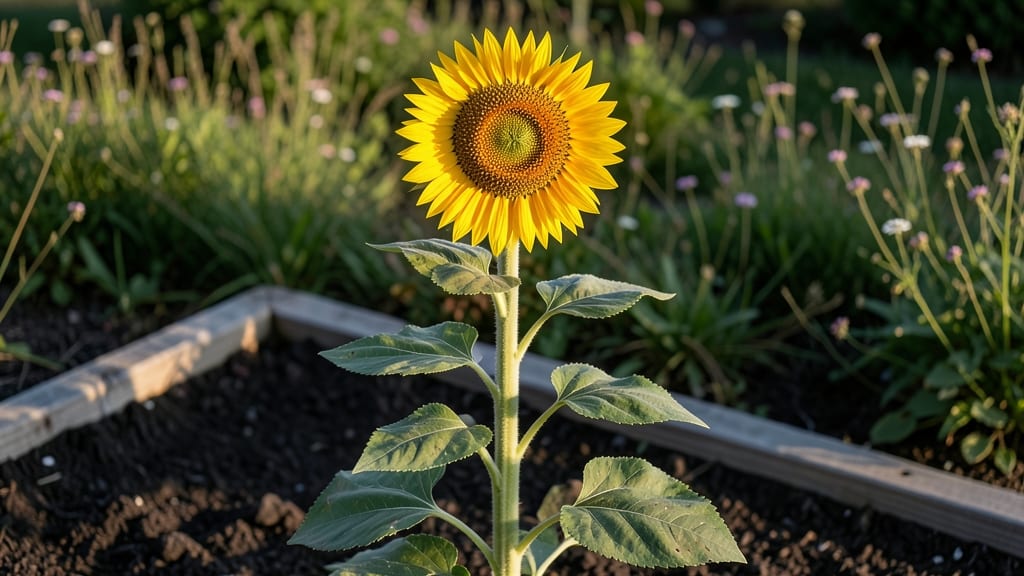
A full-grown Mammoth Sunflower can reach heights of 12 to 16 feet, turning your garden into a towering, golden masterpiece—but only if you give it the right conditions.
Imagine a sunflower so towering it blocks your view of the sky—a Mammoth Sunflower can reach heights that rival small trees, making it a dramatic centerpiece for any garden. But before you plant, knowing exactly how tall they grow and their light requirements is critical to unlocking their full potential.
These giants thrive in full sun, demanding at least 6 to 8 hours of direct light daily. Too little sunlight, and you’ll end up with a spindly stalk instead of the bold, blooming beauty you’re dreaming of.
In this guide, I’ll break down everything you need to know—from ideal planting spots to the best ways to support their impressive height—so your Mammoth Sunflower grows strong, tall, and stunning.
How tall do full-grown Mammoth Sunflowers grow?
When I first planted Mammoth Sunflowers, I was amazed by how quickly they shot up from tiny seeds to towering giants. These sunflowers are famous for their impressive height, often reaching heights that make them the stars of any garden.
The average mature height for full-grown Mammoth Sunflowers typically ranges between 10 to 14 feet, though some varieties can even surpass 16 feet under ideal conditions.
This dramatic growth makes them perfect for creating focal points in large gardens or even as dramatic backdrops for photos. Their height isn't just for show—it also means they need special care to support their massive stems and vibrant blooms.
Understanding their growth patterns helps me plan everything from spacing to support structures like stakes or cages.
🌱
One of the most exciting aspects of growing Mammoth Sunflowers is watching their rapid growth. In just a few weeks, these plants can grow 2-3 feet per week during their peak growing season, especially when planted in well-draining soil with plenty of sunlight.
Varieties like the Russian Giant and Mammoth Russian are particularly fast-growing, often reaching their full height in just 80-90 days from seed.
To maximize their vertical growth, I always make sure to provide them with rich, nutrient-dense soil and consistent watering. These sunflowers thrive in full sun conditions, which is essential for their rapid growth and strong stem development.
Without enough sunlight, their stems can become weak and prone to bending or breaking under their own weight.
🌿
Compared to other giant sunflower varieties, Mammoth Sunflowers are among the tallest. While standard sunflowers might only reach 3-5 feet, Mammoth varieties can easily double or triple that height.
This makes them ideal for creating dramatic backdrops in gardens or even for urban spaces where vertical gardening is a priority. Their height also means they can provide shade for smaller plants beneath them, creating a natural microclimate.
However, their impressive height comes with challenges. Without proper support structures, these towering plants can topple over, especially in windy conditions. I always recommend using stakes or cages to provide additional support.
This not only helps the plant stay upright but also protects the delicate blooms from damage. Additionally, planting them in a well-drained location prevents waterlogging, which can weaken the stems.
🌳
If you're planning to grow Mammoth Sunflowers, it's important to give them plenty of space. These giants need at least 18-24 inches of space between each plant to allow for their expansive root systems and towering growth.
Crowding can lead to competition for nutrients and sunlight, which can stunt their growth and reduce the size of their blooms. Proper spacing also makes it easier to provide the support they need to reach their full potential.
For those living in cooler climates, it's worth noting that Mammoth Sunflowers may take longer to reach their full height. In these regions, I often start seeds indoors and transplant them outdoors after the last frost date.
This gives them a head start and helps ensure they have enough time to grow tall and strong before the first frost arrives in the fall.
💧
In summary, full-grown Mammoth Sunflowers are a stunning addition to any garden, with heights that can reach up to 14-16 feet under ideal conditions. Their rapid growth and dramatic presence make them a favorite among gardeners, but they do require careful planning and support to thrive.
By providing the right conditions—full sun, rich soil, and proper support—you can enjoy the breathtaking sight of these towering beauties in your own backyard.
Optimal light requirements for Mammoth sunflower growth
Mammoth sunflowers are sun worshippers—literally! These giants demand full sun exposure to reach their towering heights of 12-16 feet. Without enough sunlight, their growth slows dramatically, and those iconic blooms may never fully open.
Let’s break down exactly how much light they need and what happens when they don’t get enough.
In ideal conditions, Mammoth sunflowers thrive with 6-8 hours of direct sunlight daily. However, they can tolerate up to 10 hours of sunlight in cooler climates without stress. The key is consistent, unfiltered light—think morning sun paired with afternoon rays, not dappled shade from nearby trees.
Northern climates with shorter daylight hours in summer may need to supplement with reflective surfaces like white walls or mirrors to bounce extra light onto your plants. In southern regions, afternoon shade can actually help prevent heat stress, but morning sun remains non-negotiable.
Watch for these signs of light deprivation: elongated, weak stems; pale, sparse foliage; and buds that fail to open. If you notice these, your sunflower is begging for more light. Move it to a sunnier spot immediately—once established, they’re tough but won’t recover from chronic shade.
For container growers, place your Mammoth sunflower in the sunniest spot on your patio, like a south-facing balcony. If indoors near a window, rotate the pot weekly to ensure even light exposure. Remember, these giants won’t forgive neglect—give them sunlight, and they’ll reward you with monster-sized blooms!
Pro tip: Plant your Mammoth sunflower in early spring to give it the longest possible growing season with maximum sunlight. The more light they get, the faster they’ll grow and the bigger those iconic 10-inch-wide flowers will become. 🌻