
Flowers
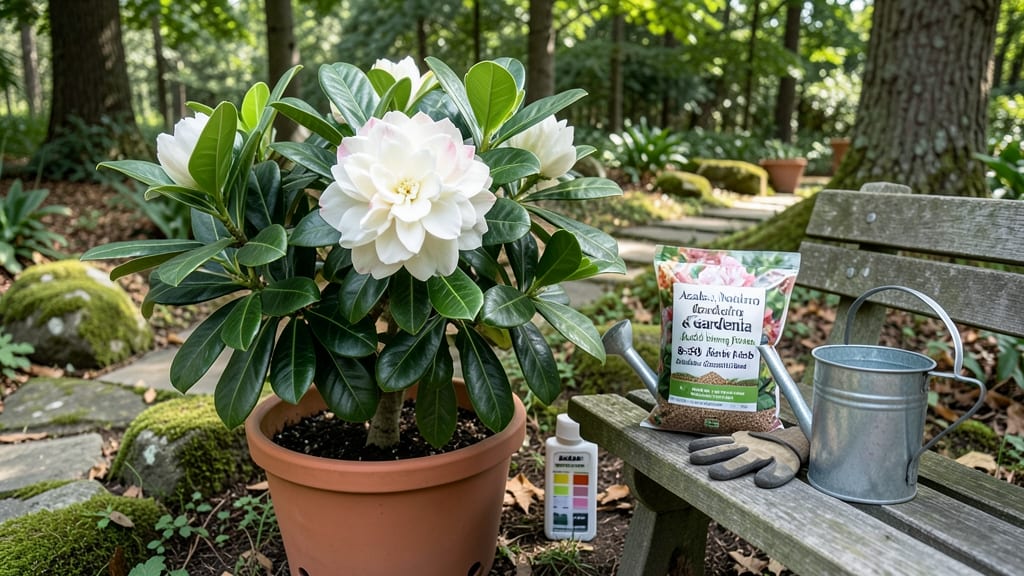
The right gardenia flower fertilizer is the secret to those intoxicating, fragrant blooms you’ve been dreaming of—skipping the wrong type can leave you with sparse, weak growth instead.
Picture this: you’ve spent months nurturing your gardenia, only for it to produce a handful of blooms—or none at all. The issue? Most gardeners overlook the plant’s acid-loving needs, using standard fertilizers that actually stunt its growth.
The secret isn’t just any fertilizer—it’s the right balance of nutrients, timing, and pH to keep your gardenia thriving.
In this guide, I’ll walk you through the best organic and synthetic fertilizers for gardenias, when to feed them (and when to skip it entirely), and how to avoid common mistakes that turn lush foliage into a sad, leggy mess. No more guessing—just bloom-boosting confidence.
You’ll learn how to adjust your soil’s acidity, the ideal feeding schedule for spring through fall, and even how to revive a gardenia that’s already struggling. By the end, your plant will be bursting with fragrance—and you’ll know exactly why it works.

Best acidic fertilizers for gardenia flowers: organic vs synthetic options
If your gardenias are struggling to produce those fragrant blooms you love, the issue might be their soil pH or nutrient levels. Gardenias thrive in acidic soil (pH 5.0-6.5) and need the right fertilizer mix to encourage lush foliage and abundant flowers.
The good news? There are organic and synthetic options tailored to their needs, each with unique benefits.
Choosing the right fertilizer depends on your gardening style, budget, and whether you prefer natural ingredients or fast-acting synthetic blends. For example, iron sulfate is a quick fix for yellowing leaves, while slow-release granules provide steady nutrition over time.
Let’s break down the best options to keep your gardenias thriving.
🌸 Key Tip: Always water your gardenias before applying fertilizer to prevent root burn. This is especially critical for synthetic fertilizers, which can be harsh if dry soil absorbs them too quickly.
| Fertilizer Type | Best For | Application Method | Pros | Cons | Acidity Level |
|---|---|---|---|---|---|
| Iron Sulfate | Quick pH adjustment, iron deficiency | Dissolve 1 tbsp in 1 gallon water, spray foliage | Fast-acting, improves green color | Can burn leaves if overused | Highly acidic |
| Peat Moss | Soil acidity, organic matter | Mix 2-3 inches into soil annually | Improves soil structure, slow-release | Depletes over time, needs replenishing | Moderately acidic |
| Citrus Fertilizer | General feeding, organic option | Apply 1 tbsp per plant every 6 weeks | Rich in micronutrients, eco-friendly | Smells strong, attracts pests | Highly acidic |
| Slow-Release Granules (Azalea/Camellia) | Long-term nutrition, balanced NPK | Sprinkle 1 tbsp around root zone, water in | Convenient, reduces over-fertilization risk | Expensive, less immediate results | Specifically acidic |
| Fish Emulsion | Foliar feed, nitrogen boost | Dilute 1 tbsp per gallon, spray leaves | Rich in nutrients, improves growth | Strong odor, attracts wildlife | Mildly acidic |
For organic gardeners, citrus fertilizer or fish emulsion are excellent choices because they provide micronutrients while keeping the soil acidic. These options also improve soil health over time, making them ideal for long-term gardenia care.
On the other hand, synthetic fertilizers like slow-release granules offer precise NPK ratios (e.g., 8-3-9) tailored for blooming plants.
If your gardenias show signs of chlorosis (yellow leaves), it’s often a sign of iron deficiency or high pH. In this case, iron sulfate is a game-changer.
Mix 1 tablespoon in a gallon of water and spray it on the leaves. This foliar feed works quickly to restore the green color and improve photosynthesis.
Another organic favorite is peat moss, which not only lowers soil pH but also improves drainage and water retention. Work it into the top 6 inches of soil in early spring to give your gardenias a nutrient-rich environment for the growing season.
Pair it with a compost layer to further enhance soil fertility.
When using synthetic fertilizers, always follow the label instructions to avoid over-fertilization. A common mistake is applying too much nitrogen, which promotes leafy growth at the expense of flower production. For gardenias, aim for a <
Gardenia flower feeding schedule: when and how to apply fertilizer for maximum blooms
Timing your gardenia's fertilizer applications is just as important as choosing the right formula. These acid-loving plants thrive when fed during their active growing seasons—spring through early summer—when they're preparing for their fragrant blooms.
Over-fertilizing in dormant months can actually harm your plant, leading to leaf burn or stunted growth. The key is consistency with a balanced approach that matches your gardenia's natural growth cycle.
Most gardeners make the mistake of fertilizing year-round, but gardenias actually need a rest period in late fall and winter. This dormancy allows the plant to recharge for next year's blooms.
By following a seasonal schedule, you'll encourage stronger roots, healthier foliage, and more abundant flowers. Let's break down exactly when and how to feed your gardenia for maximum impact.
-
🌱 Spring (March-May)
New growth begins after last frost
Action: Apply balanced acidic fertilizer (6-6-6 or 8-3-9) every 4-6 weeks
Dosage: 1 tbsp per plant or 1 tbsp per sqft -
☀️ Summer (June-August)
Active blooming period
Action: Reduce to light feeding every 6-8 weeks
Use half-strength application to avoid stress -
🍂 Fall (September-November)
Preparation for dormancy
Action: Stop fertilizing completely
Allow plant to rest and store nutrients -
❄️ Winter (December-February)
Dormant period
Action: No fertilizer needed
Focus on light watering and protection -
💡 Pro Tip: Always apply fertilizer in early morning to prevent leaf burn from sun exposure
Water thoroughly before and after application
When applying your gardenia fertilizer, always work it into the top 2-3 inches of soil around the plant's drip line—never directly on the trunk or leaves. This prevents root burn and ensures nutrients reach the plant's extensive root system.
For container gardenias, mix the fertilizer into the top inch of soil and water immediately to distribute nutrients evenly.
Watch for these warning signs of improper feeding: brown leaf edges indicate over-fertilization, while yellowing leaves suggest under-fertilization or nutrient deficiencies. If you see crispy leaf tips, flush the soil with water to remove excess salts.
Gardenias are sensitive plants, so it's always better to under-feed slightly than risk burning their delicate foliage.
Remember that gardenias are heavy feeders during their blooming season, so don't be afraid to feed them according to this schedule. The payoff comes in those glorious white blooms that fill your garden with their intoxicating fragrance.
With this precise feeding schedule, you'll be rewarded with healthier plants and more abundant blooms year after year.