
Flowers
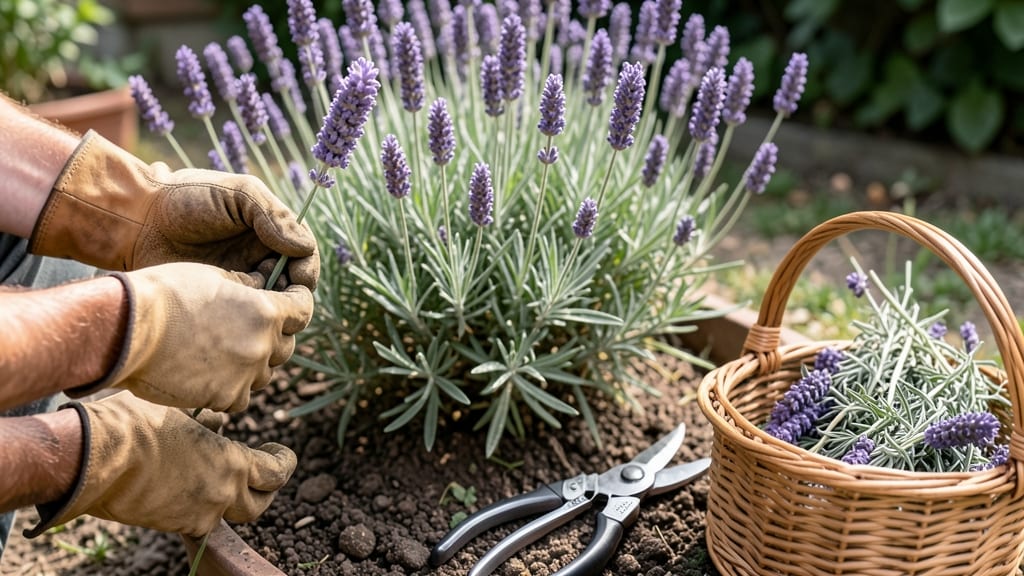
Harvesting lavender flowers at the right moment unlocks their richest fragrance and preserves their vibrant color for months.
Picture this: you’ve nurtured your 🌿 lavender through spring, and now the stems are heavy with blooms—but wait too long, and the scent fades while the petals crumble. The difference between a fragrant bouquet and a wilted disappointment comes down to timing and technique.
In USDA Zone 6a, the best window for harvesting is late June through early August, when buds are fully open but before they turn brown. But knowing when to cut is only half the battle—how you harvest matters just as much to keep your plants thriving.
Here’s how to time your harvest for peak oil content, use the right tools, and dry your lavender so it stays aromatic for sachets, cooking, or crafts—without sacrificing next year’s blooms.


When to harvest lavender flowers for maximum fragrance & oil content
Timing is everything when harvesting lavender flowers—especially if you want the strongest fragrance and highest essential oil content. Harvest too early, and you’ll miss peak potency; too late, and the scent fades.
The ideal window is when 70-80% of buds are fully open but before they turn brown or shed petals. This balance ensures maximum aromatic compounds and vibrant color.
Seasonal timing also matters. In USDA Zones 5-9, the primary harvest window spans June through August, aligning with the plant’s natural flowering peak. However, early summer harvests (June) often yield the richest oils, while late-season blooms (August) may be slightly less potent but still fragrant.
For cooler climates (Zones 5-6), aim for late June to early July when heat stress is minimal.
Drought conditions can accelerate flowering, so monitor your plants closely. If buds open faster than usual, harvest earlier to prevent petal drop and scent loss. In drier regions (Zones 7-9), morning harvests reduce stress on the plant, preserving oil quality. Always prioritize woody stems—they indicate maturity and higher oil content.
For first-year lavender plants, wait until they’ve established strong roots—typically 120 days after planting. Young plants produce smaller buds with lower oil content, so prioritize plant health over harvest yield.
In contrast, mature lavender (2+ years old) can be harvested every 4-6 weeks during peak season, provided you leave at least 6 inches of stem to encourage regrowth.
Climate plays a surprising role in harvest timing. In cooler zones (5-6), lavender may bloom later, so adjust your schedule to late June or July. Meanwhile, warmer zones (7-9) often see earlier blooms—sometimes as early as May.
Always check for morning dew; harvesting after it evaporates reduces stress on the plant and preserves oil integrity.
Pro tip: Harvest lavender in the morning when temperatures are cool. This minimizes oxidation of essential oils, which degrade quickly in heat. If you must harvest later in the day, work quickly and store stems in a shady, well-ventilated area until you can process them.
Avoid harvesting after rain—moisture dilutes oil content and promotes mold.
Don’t overlook the regrowth cycle. After each harvest, lavender sends out new growth from the base. To maintain a compact, bushy shape, trim stems to just above a set of leaves.
This encourages denser flowering in subsequent harvests. In USDA Zone 7 and above, you can often squeeze in 2-3 harvests per season if you time cuts properly.
For essential oil extraction, prioritize harvests during the hottest part of summer (July-August) in warmer climates. Heat increases volatile oil production, but balance this with water stresslower-quality oils if pushed too hard.
Always monitor soil moisture; wilting leaves signal it’s time to water lightly before the next harvest.
Remember: Patience pays off. Rushing the harvest for a bouquet might yield pretty flowers, but waiting for peak maturity ensures a fragrance that lasts. Whether you’re drying stems for sachets or distilling oils, timing directly impacts the quality of your final product.
With the right approach, your lavender harvests will be rich, fragrant, and bountiful for years to come.
Step-by-step lavender harvesting techniques to preserve quality
Harvesting lavender at the right stage transforms your garden into a fragrant treasure trove. The key lies in timing and technique—both determine whether your dried lavender retains its signature color and aroma for months.
I’ve perfected my method over years of trials, and today, I’m sharing the exact steps to ensure your harvest stays vibrant and potent.
Start by selecting the perfect harvesting method—whether you prefer hand-picking delicate stems or using pruning shears for larger batches. The tools you choose can make or break your harvest’s quality, so let’s dive into the proven techniques that preserve lavender’s magic from stem to storage.
Harvest lavender in the early morning after dew evaporates (around 7-9 AM). This ensures buds are fully open but haven’t absorbed excess moisture, which can lead to mold during drying.
Hand-picking: Ideal for small batches or delicate stems. Pinch stems just above a leaf node to encourage new growth. Cutting: Use sharp pruners or clean scissors for larger harvests. Cut stems at a 45-degree angle to increase surface area for drying.
Strip off the bottom 1/3 of leaves to prevent mold during drying. This step is critical for maintaining airflow around the stems, which preserves both color and scent.
Hanging method: Gather 6-10 stems and tie them with twine or rubber bands. Hang bundles upside down in a dark, dry, and well-ventilated space (like a closet or attic). Flat drying: Lay stems in a single layer on a screen or mesh in indirect sunlight. Flip stems daily for even drying.
Lavender is fully dry when stems snap easily and flowers crumble when rubbed between fingers. Avoid rushing this step—over-drying can bleach the color, while under-drying risks mold.
Air-tight containers: Store dried lavender in glass jars or fabric bags away from light and moisture. Add a silica gel packet to absorb humidity. Freeze for freshness: For long-term storage, freeze dried lavender in ice cube trays with water, then transfer to a sealed bag. This preserves oil content for up to a year.
Proper storage is where many gardeners lose the battle for fragrant lavender. I’ve learned the hard way that humidity and light exposure are the silent killers of lavender’s scent.
My secret? Store bundles in dark glass jars with a damp paper towel to maintain just enough moisture—enough to keep stems pliable but not enough to invite mold.
Once you’ve mastered these techniques, you’ll enjoy lavender that smells like summer long after the blooms have dried. The satisfaction of hand-harvested lavender—whether used in sachets, potpourri, or homemade remedies—is unmatched. Now, grab your pruners and get ready to transform your garden into a fragrant haven!