
How To
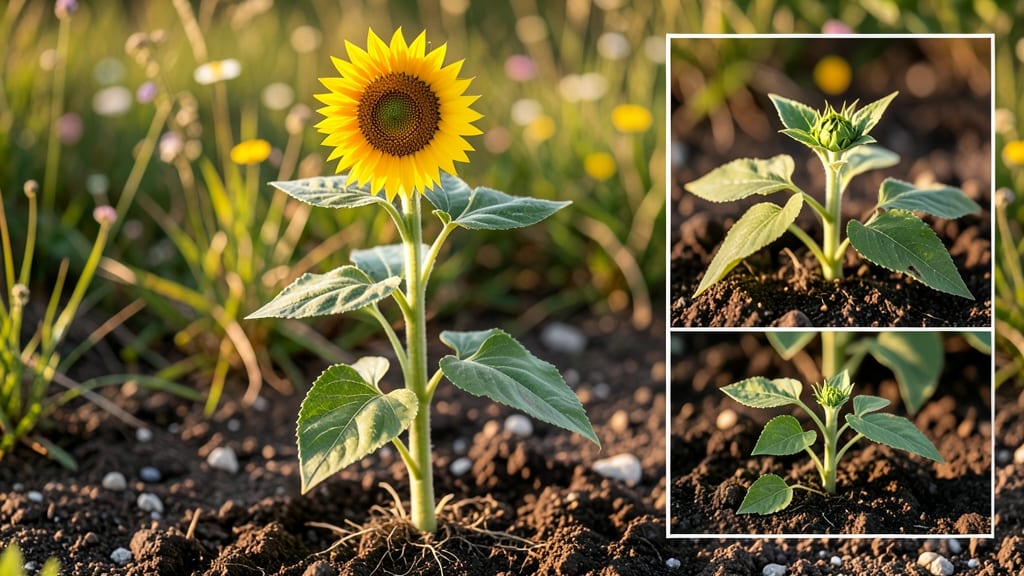
Sunflower seeds grow how fast do sunflower seeds grow from sprout to towering 10-foot stalks in as little as 60 days—faster than you might expect if you’ve ever waited weeks for a single leaf to appear.
Picture this: You tuck a seed into warm soil in April, and by June, you’re watching golden blooms nod in the breeze.
That’s the magic of sunflowers, but timing matters—plant too late, and summer’s heat can stretch the process, leaving you with leggy stalks instead of showstopping 🌻.
The secret to speed? Soil that stays above 60°F, full sun, and patience for those first 7–14 days when the seedling struggles to break through the dirt. Once it does, growth is a blur of rapid expansion—leaves unfurling, stems thickening, and flowers opening in a matter of weeks.
In this guide, I’ll break down the exact timeline, from germination to harvest-ready blooms, plus the pro tips to cut weeks off your wait—because nobody wants to miss a single day of sunflower drama.

Sunflower growth timeline: week-by-week sprout to flower development
Sunflowers grow at an astonishing pace, turning from tiny seeds into 10-foot giants in just a few months. Understanding their week-by-week growth stages helps you anticipate milestones like sprouting, bud formation, and full bloom—so you can plan your garden layout and harvest timing like a pro.
With the right conditions, most sunflower varieties reach maturity in 60–90 days, though dwarf types can bloom even faster!
From the moment you plant your seeds, the clock starts ticking. The first 7–14 days are all about germination, where warmth and moisture work together to coax those first green shoots through the soil.
After that, growth accelerates as the plant focuses on building a sturdy stem and broad leaves to soak up sunlight. By week 6–8, you’ll see buds forming, signaling the plant’s shift toward flowering—one of the most exciting phases for gardeners!
Here’s a detailed breakdown of what to expect at each stage, from seed to full bloom:
The first 2 weeks after planting are critical for germination. Sunflower seeds need soil temperatures above 60°F to sprout efficiently. If your climate is cooler, consider using a seedling heat mat or starting seeds indoors 2–3 weeks before your last frost date.
Once those first cotyledon leaves appear, you’re officially in the seedling stage—where the real fun begins!
By week 3–4, your sunflowers will enter their vegetative growth phase, characterized by rapid stem elongation and the emergence of true leaves (the larger, more familiar sunflower leaves). This is when you’ll notice the plant’s height skyrocketing—some varieties can grow 2–3 inches per day under ideal conditions!
To support this growth, ensure your plants receive 6–8 hours of full sun daily and water deeply at the base to encourage strong root development.
One of the most rewarding moments comes at week 6–8, when you’ll spot the first buds forming at the top of the stalk. These buds signal the plant’s transition from leaf production to flower development.
This stage is also when sunflowers become more drought-tolerant, so you can slightly reduce watering frequency. Just be cautious—overwatering now can lead to bud rot, which can ruin your blooms before they even open!
When your sunflower finally blooms—usually between 60–90 days after planting—you’ll be treated to a vibrant display of color and height. The flower head may take 1–2 weeks to fully open, during which time the seeds inside begin to develop.
Pay close attention to the back of the petals: when they turn yellow and the seeds rattle inside the head, it’s time to harvest for eating or saving seeds for next season.
Pro tip: If you’re growing sunflowers for seed production, leave a few heads on the plant until they’re fully dry and brown. Once the petals fall off naturally, you can collect the seeds by rubbing the head over a bucket or bag.
Store them in a cool, dry place until you’re ready to plant again—sunflower seeds can remain viable for up to 5 years!
🌻
Factors that speed up or slow down sunflower growth (and how to optimize them)
Sunflowers are nature’s speed demons—given the right conditions, they can shoot up 6 inches in a single day. But their growth isn’t just luck; it’s a delicate balance of sunlight, soil warmth, water, and even seed genetics.
I’ve learned the hard way that skipping even one of these factors can turn your towering dreams into stunted stalks. Let’s break down what truly accelerates (or halts) their growth, so you can optimize every step.
The most critical factor is sunlight exposure. Sunflowers crave 6–8+ hours of direct sun daily, and even partial shade can slow growth by 30–50%.
In my backyard, the ones planted near the fence—where they only got 4 hours of sun—took 2 weeks longer to flower than their sun-drenched siblings. If you’re in a shady spot, consider container gardening on a sunny patio or choosing dwarf varieties like ‘Teddy Bear’ that tolerate less light.
Soil temperature is another game-changer. Sunflower seeds won’t germinate until the soil reaches 60–70°F, and cool spring nights can delay sprouting by up to 2 weeks.
I once planted seeds in 50°F soil and waited 3 weeks for germination—time I could’ve saved with a row cover or black plastic mulch. Pro tip: If your soil is cold, try starter pots indoors under grow lights, then transplant when soil warms.
Watering is where most gardeners trip up. Sunflowers hate wet feet, but they also need consistent moisture to grow tall. I’ve seen stems split at the base from sudden drought stress or mushy roots from overwatering.
The sweet spot? Deep watering 2–3 times per week (1–2 gallons per plant) at the soil level. Use a moisture meter to check—aim for 60–70% moisture in the top 6 inches of soil.
Finally, don’t underestimate the power of seed variety. Dwarf sunflowers like ‘Little Becka’ mature in 50–60 days, while giants like ‘Russian Giant’ take 100–120 days.
If you’re short on time, opt for early-blooming hybrids like ‘Autumn Beauty’ or ‘Moulin Rouge,’ which reach 5–6 feet in under 60 days.
I planted both varieties side by side last year—the dwarfs bloomed 3 weeks earlier and attracted bees faster, proving that genetics matter just as much as growing conditions.
By tweaking these 5 key factors, you can turn your sunflowers into growth rockets instead of slowpokes. Start with sunlight, warm up the soil, water wisely, plant at the right depth, and pick the right seeds—and watch those stalks reach for the sky in record time! 🌻