
Flowers
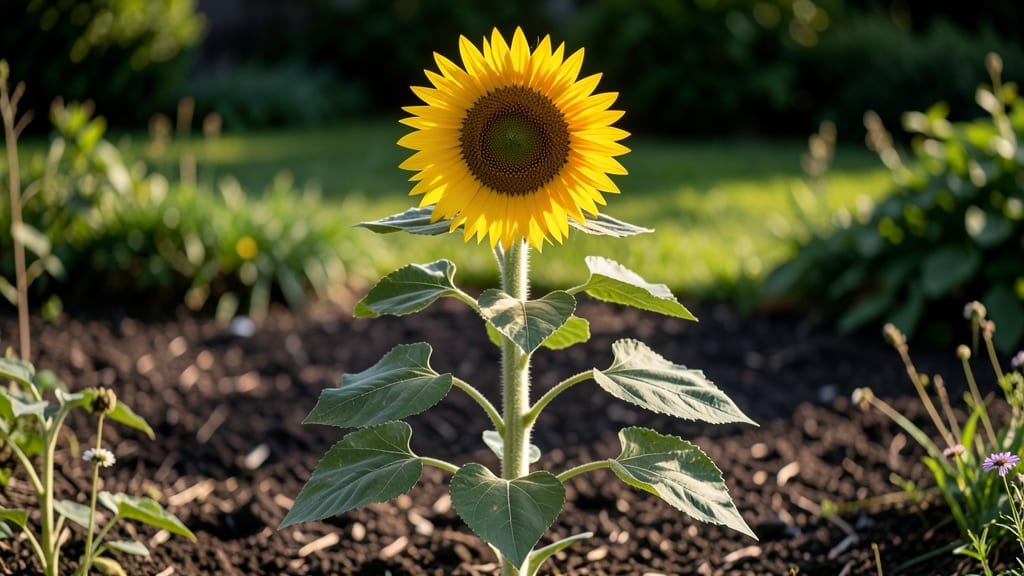
Growing mammoth sunflowers from seed to towering 10–14-foot blooms takes between 90 and 120 days—longer than you might expect, but the wait is worth it for those jaw-dropping 🌻 displays.
If you’ve ever dreamed of sunflowers tall enough to rival a two-story house, these giants start as tiny seeds and transform into towering beauties—but their growth timeline surprises even seasoned gardeners.
From the first sprout to full bloom, each stage depends on sunlight, soil, and water, and skipping a step can stretch that 90-day window into months of frustration.
Here’s the good news: with the right care, you can shave weeks off the timeline. We’ll break down the exact stages—from germination to budding—and share the key factors that speed up or slow down growth, so you can go from seed to sunflower stunner without the guesswork.
Ready to grow sunflowers that steal the show? You’ll learn how to time your planting, optimize soil, and water like a pro, plus when to expect those first giant blooms in your garden.

Mammoth sunflower growth timeline: seed to full bloom in stages
Watching a Mammoth sunflower grow from a tiny seed to a towering 12-foot giant is one of gardening’s most rewarding experiences—but it takes careful timing and attention. These sunflowers follow a predictable growth timeline, with each stage offering clues about what your plant needs next.
From the first sprout to the full bloom, understanding these milestones helps you avoid common pitfalls and maximize your sunflower’s potential.
The entire growth cycle from seed to mature bloom typically spans 90-120 days, depending on your climate and care routine.
In ideal conditions—full sun, well-draining soil, and consistent moisture—you can expect your Mammoth sunflower to reach its peak height (10-14 feet) and produce a 12-inch-wide bloom by late summer. Below, we break down the journey week by week, so you know exactly what to expect at each stage.
During the germination stage (days 7-14), your Mammoth sunflower seeds need warmth and moisture to break dormancy. Plant them 1 inch deep in loose, well-draining soil after the last frost date. If your soil temperature hovers below 55°F, consider using a seedling heat mat to speed up the process.
Once sprouts appear, thin them to 6 inches apart to prevent overcrowding, which can stunt growth and increase disease risk.
The seedling stage (weeks 2-4) is where your sunflower’s true leaves emerge—these look different from the initial cotyledons (the first leaves) and have jagged edges. This is also when the stem begins hardening, preparing for rapid vertical growth.
If you notice leggy seedlings, supplement with a grow light for 12-14 hours daily to encourage sturdy stems. Avoid transplanting seedlings during this phase, as their roots are still delicate.
By week 5, your sunflower enters the vegetative growth phase, where it can shoot up 2-3 feet per week under ideal conditions. This is the stage where fertilization becomes critical—apply a balanced 10-10-10 fertilizer when the plant reaches 12 inches tall, then again at 3 feet.
During this phase, you’ll also notice the stem thickening significantly, which is a good sign your sunflower is storing energy for its future bloom. If your garden experiences high winds, consider staking tall varieties early to prevent snapping.
The bud formation stage (weeks 9-10) marks the transition from leafy growth to flower development. You’ll spot a green, fuzzy bud at the top of the stem, which will soon swell into a 12-inch-wide bloom.
This is when many gardeners make the mistake of overwatering, thinking the plant needs more moisture. Instead, reduce water slightly to every 3-4 days and avoid wetting the buds, as excess moisture can trigger powdery mildew—a common fungal issue in Mammoth sunflowers.
Finally, the blooming stage (weeks 11-12) is the payoff! Your Mammoth sunflower will unfurl its vibrant yellow petals, often reaching 14 feet tall in ideal conditions. The bloom typically lasts 7-10 days, during which time you can enjoy the stunning height and attract pollinators like bees and butterflies.
To extend the blooming period, deadhead spent flowers (remove faded blooms) to encourage new
Factors that speed up or slow down Mammoth sunflower growth
Mammoth sunflowers are famous for their dramatic height, but their growth speed depends heavily on environmental conditions and your care routine. While they typically reach 10-14 feet in 90-120 days, some factors can cut that time in half—or double it.
Let’s break down what makes these giants grow faster (or stall completely).
The most critical factor is sunlight exposure. Mammoth sunflowers demand 6-8+ hours of direct sun daily. Without it, they’ll grow leggy and weak, taking 30-50% longer to mature.
Even partial shade can delay flowering by 2-4 weeks. I once planted mine under a dappled oak tree—they grew, but never reached their full potential.
Soil quality is another game-changer. These sunflowers thrive in well-draining, nutrient-rich soil with a pH of 6.0-7.5. Poor soil? Expect stunted growth and yellowing leaves, which can add 4-6 weeks to their timeline.
Amending with compost or aged manure at planting gives them the boost they need to shoot upward quickly.
Watering frequency also plays a huge role. While they’re drought-tolerant once established, inconsistent moisture during early growth can halt progress entirely.
Deep watering every 3-5 days (1-2 gallons per plant) keeps them on track, but overwatering or underwatering can cause root rot or wilting, both of which slow growth by 2-3 weeks.
Temperature ranges matter too. Mammoth sunflowers love warm weather (70-85°F) and can bolt quickly in heat, but they’ll stall below 50°F. Early spring or late fall plantings often result in smaller, slower-growing plants. I’ve seen them double their growth rate when daytime temps hit 80°F+ consistently.
Common mistakes that stall progress include overcrowding (plants compete for nutrients), using cold soil (below 55°F), and skipping fertilizer after the first feeding. Even a 1-inch difference in planting depth can delay germination by 5-7 days. Avoid these pitfalls, and you’ll see those towering stems emerge faster than expected.
⚡ Speed Up Growth ✅
Accelerates growth by 30% compared to partial shade.
Speeds germination by 5-7 days vs. cold soil.
Prevents wilting and maintains consistent growth.
Boosts height by 1-2 feet when applied correctly.
⏳ Slow Down Growth ❌
Delays flowering by 2-4 weeks and weakens stems.
Stalls germination by 10+ days and causes poor root growth.
Leads to wilting or root rot, slowing growth by 3+ weeks.
Competition for nutrients reduces height by 20-30%.
Paying attention to these factors can shave weeks off your mammoth sunflower’s growth timeline—or add them if you’re not careful. For example, my fastest-growing plants hit 12 feet in just 85 days thanks to full sun, warm soil, and consistent care.
Meanwhile, my shady, crowded batch took 110 days and barely topped 8 feet. The difference is night and day!
Pro tip: Monitor your plants’ leaf color and stem strength weekly. Healthy deep green leaves and sturdy stems mean you’re on the right track. If you notice yellowing or weak growth, adjust your care immediately to get them back on schedule.