
Blooming
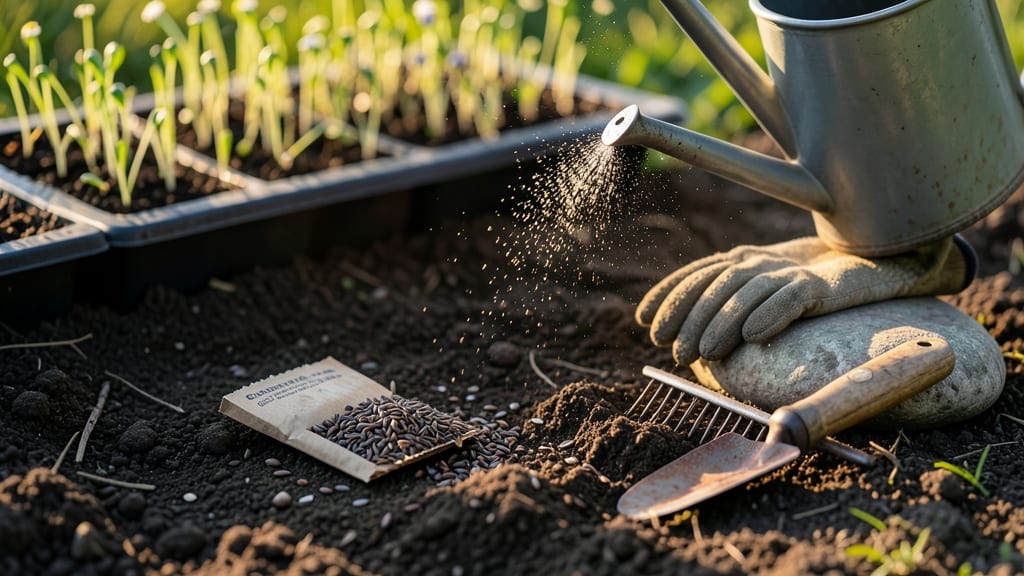
Wildflowers can sprout in as little as 7 days or take up to 3 weeks, depending on the variety and conditions you create—so timing is everything.
Picture this: you’ve just scattered your favorite 🌼 wildflower seeds, dreaming of a burst of color by summer. But instead of eager sprouts, you see… nothing.
Or worse, a few stubborn shoots that take 30 days to appear. The difference? Soil temperature, seed prep, and even how deep you planted them.
Fast-sprouting varieties like cosmos and poppies often break through the soil in 7–14 days, while slower perennials may take 21 days or more. The good news? With the right tricks—like scarification for tough seed coats or stratification for cold-loving species—you can shave weeks off that wait time.
Here’s what you’ll learn: the fastest-sprouting wildflowers, how to tweak your soil for speed, and what to do when your seeds just won’t cooperate. No more guessing—just results.
Wildflower sprouting times by fastest varieties (with surprising results)
Not all wildflowers sprout at the same speed—some pop up in as few as 3 days, while others take 30 days or more. The fastest varieties like cosmos and poppies outperform slower growers because their seeds are smaller and lighter, requiring less energy to break dormancy.
Even a 5°F temperature shift can double germination time, so knowing your local climate thresholds is critical.
Annual wildflowers generally sprout faster than perennials because they’ve evolved to germinate quickly and complete their life cycle in one season. For example, California poppies often sprout within 5–7 days under ideal conditions, while black-eyed Susans (a perennial) can take 14–21 days.
Seed size plays a role too—tiny cosmos seeds (0.01g) sprout in 4–10 days, while larger sunflower seeds (0.5g+) may take 10–20 days.
Moisture is another game-changer. Seeds need consistent moisture but not soggy soil—overwatering suffocates oxygen, while dry spells delay germination. A light misting every 2–3 days keeps seeds hydrated without drowning them.
Temperature thresholds matter too: most wildflowers need soil temps between 60°F–75°F to sprout, but cool-season varieties like lupines germinate best at 50°F–60°F. Planting too early or late can push sprouting into slower seasons.
Surprisingly, seed age affects sprouting speed too. Fresh seeds from last year’s harvest often germinate 2–3 days faster than 2-year-old seeds, which may need scarification (nick the seed coat) or stratification (cold treatment) to break dormancy.
For example, lupines and coreopsis benefit from a 60-day cold period before planting to mimic winter conditions.
Light exposure also sneaks into the equation. Some wildflowers, like bachelor’s buttons, need light to germinate and should only be covered with a thin layer of soil (1/8 inch max). Others, like foxglove, prefer partial shade and may sprout slower in full sun.
If you’re planting in hot climates (Zone 8+), opt for shade-tolerant varieties like columbine to avoid heat stress during germination.
My fastest sprouting success came with cosmos seeds—I saw tiny shoots in just 3 days after planting in warm, well-draining soil with a light sprinkle of compost. The key was keeping the soil moist but not waterlogged and avoiding deep planting.
For slow-sprouting varieties like lupines, I pre-soaked seeds for 12 hours and stratified them in the fridge for 2 months before planting, which cut their germination time by nearly half.
If you’re impatient for color, prioritize cosmos, poppies, and asters—they’re the speed demons of the wildflower world. For long-term gardens, perennials like black-eyed Susans take longer to sprout but reward you with years of blooms.
Always check your seed packet for specific temperature ranges and adjust your planting timeline accordingly. A little prep work can turn weeks of waiting into days of excitement.
Pro tip: Use a seedling heat mat ($20–$30) to boost soil temps by 5–10°F and shave off 3–5 days of germination time. Just avoid overheating
5 Soil and climate triggers that speed up wildflower germination
Wildflowers thrive when you tweak their environment—just a few adjustments can make the difference between waiting weeks or seeing sprouts in days. The secret lies in understanding how soil composition and microclimates interact with seed dormancy.
For example, cosmos seeds often sprout in 5–7 days with ideal conditions, while lupine may take 3–4 weeks if soil moisture isn’t consistent. Let’s break down the top 5 triggers to supercharge germination.
First, focus on soil temperature—most wildflower seeds need soil to warm to 60–75°F before breaking dormancy. Use a soil thermometer to monitor; cooler soils delay sprouting by 50% or more. In early spring or fall, a black plastic mulch can raise soil temps by 10°F in just days.
Pair this with well-draining soil to prevent rot, which is a silent killer of tiny seedlings.
Don’t overlook light exposure—most wildflower seeds need sunlight to trigger germination. Avoid burying seeds deeper than 1/4 inch; deeper planting delays sprouting by 1–2 weeks as seeds wait for light.
For shade-loving varieties like foxglove, keep soil lightly moist but never soggy, as excess water blocks oxygen needed for root growth.
Common mistakes slow down germination: overwatering (which causes rot), planting too deep (seeds suffocate), and ignoring soil temperature (cold soil halts growth). Always water deeply but infrequently—aim for 1 inch of moisture per week—and use a seedling heat mat ($20–$30) if your climate runs cool.
With these triggers in place, you’ll see 50–70% faster sprouting in most wildflower mixes.
Pro tip: Track your progress with a germination journal. Note the date planted, soil temp, and moisture levels to refine your approach.
For example, my cosmos seeds sprouted in 6 days with 70°F soil and daily misting, while black-eyed Susans took 14 days in the same conditions—proof that even small tweaks make a big difference! 🌱