
Blooming
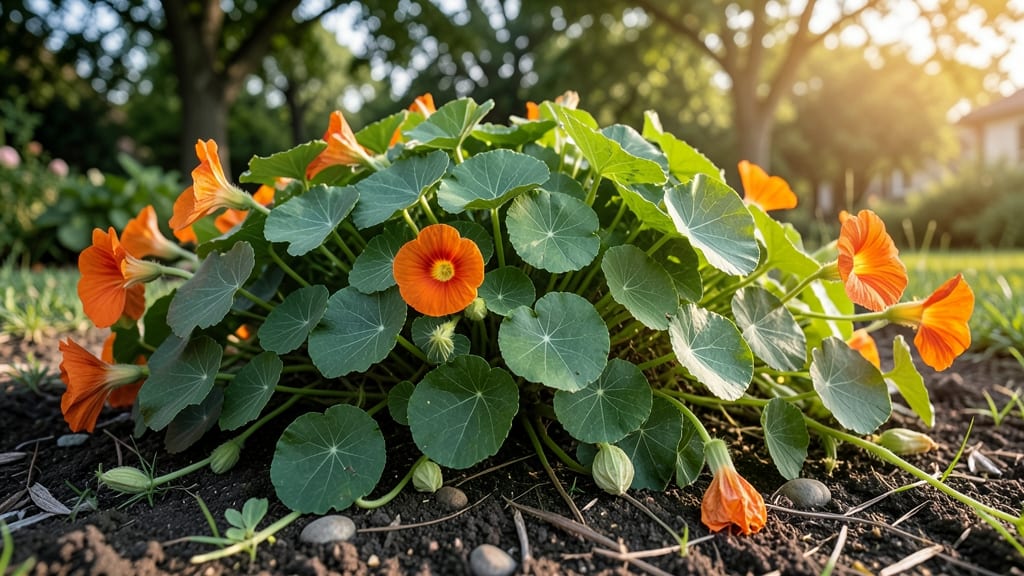
Nasturtiums flower in just 4-6 weeks when given the right conditions — faster than you might expect for such a bright, edible bloom 🌸.
But why aren’t your nasturtiums blooming yet? You’re not alone — many gardeners overlook the simple tweaks that turn weeks into days. With the right sunlight, soil, and a little pruning know-how, you can push those cheerful flowers to open weeks earlier than average.
From seed to bloom, nasturtiums thrive in USDA Zone 6a and warmer, but cooler springs or shaded spots can stretch that timeline. I’ll walk you through the exact steps to speed up blooms, whether you’re starting from seed or transplanting, plus the common mistakes that sneakily delay flowers.
By the end, you’ll know exactly how to coax vibrant nasturtium blooms in June and beyond — and maybe even earlier if you’re in a warmer climate. Let’s get those flowers popping!
Nasturtium flowering timeline: from seed to blooms in 4-6 weeks
If you're eager to see those bright nasturtium blooms light up your garden, timing is everything. These cheerful flowers can burst into color in just 4-6 weeks when given the perfect conditions.
Understanding each growth stage helps you accelerate the process—from tiny seeds to vibrant orange, yellow, or red flowers—so you can enjoy them sooner.
The key to fast flowering lies in three critical phases: seed germination, leaf development, and bud formation. Each phase depends on specific care, like warm soil, bright light, and moderate watering.
Skipping these steps can delay blooms by weeks, but with the right approach, you’ll have flowers in record time.
Below is a clear breakdown of the nasturtium flowering timeline, including how to speed up each stage. Whether you're starting with seeds or transplants, this guide ensures you’ll have blooms faster than you think!
| Stage | Seed Planting | Transplant | Key Tip |
|---|---|---|---|
| Germination | 5-10 days | N/A | Keep soil 60-70°F for faster sprouts |
| First True Leaves | 2-3 weeks | 1-2 weeks | Place in full sun (6+ hours) daily |
| Bud Formation | 3-4 weeks | 2-3 weeks | Pinch back tips to encourage branching |
| First Blooms | 4-6 weeks | 3-5 weeks | Use low-nitrogen fertilizer to boost flowers |
| Peak Blooming | 6-8 weeks | 5-7 weeks | Deadhead spent blooms for continuous flowers |
The first stage, germination, is where everything begins. Nasturtium seeds typically sprout in 5-10 days when soil temperatures stay between 60-70°F. To speed this up, use a seedling heat mat or plant in a warm, sunny spot.
Avoid overwatering—keep the soil moist but not soggy—or seeds may rot before sprouting.
Once your nasturtium seedlings emerge, they’ll develop their first true leaves in 2-3 weeks. This is when you’ll need to provide full sun exposure (at least 6 hours daily).
If your garden lacks direct sunlight, consider using a grow light for 4-6 hours to compensate. Without enough light, seedlings will grow leggy and weak, delaying blooms.
After the leaf stage, your nasturtiums will enter bud formation, typically around 3-4 weeks for seeds and 2-3 weeks for transplants. This is where you can take proactive steps to encourage faster blooming.
Prune the tips of the main stems to promote side branching, which leads to more flower clusters. Avoid heavy fertilizing at this stage—too much nitrogen will produce more leaves than blooms.
When buds appear, you’re just 1-2 weeks away from your first flowers! To ensure vibrant blooms, switch to a low-nitrogen fertilizer (like a 5-10-5 blend) to support flower development.
Water consistently but avoid wetting the leaves to prevent fungal diseases. With the right care, you’ll see those cheerful nasturtium flowers in as little as 4-6 weeks from seed!
Once your nasturtiums start blooming, the fun doesn’t stop. To keep them flowering all season, deadhead spent blooms regularly. This simple task removes faded flowers, encouraging the plant to produce more buds.
In warm climates, nasturtiums may even rebloom after a light pruning. With these tips, you’ll enjoy a continuous display of color from early summer until frost.
For gardeners in cooler climates, don’t worry—nasturtiums are frost-tolerant and can often survive light freezes. If you start seeds indoors 4-6 weeks before your last frost date, you can extend your blooming season even further.
Just transplant them outdoors once the soil warms up to 50°F (10°C) for best results.
Now that you know the nasturtium flowering timeline, you’re ready to grow a garden bursting with color in
5 Proven ways to speed up nasturtium blooms (even in slow-growing conditions)
If your nasturtiums are taking their sweet time to bloom, don’t worry—you’re not alone! These cheerful flowers typically flower in 4-6 weeks from seed, but cooler temps or poor conditions can stretch that timeline.
The good news? With a few targeted tweaks, you can cut that waiting period by 2+ weeks and enjoy vibrant blooms faster.
Start by giving your plants the perfect sunlight conditions—nasturtiums thrive in 6+ hours of direct sun daily. If your garden gets less, consider using reflective surfaces like white walls or mulch to bounce extra light onto your plants.
Even a few extra hours of sunlight can make a noticeable difference in flowering speed.
Another game-changer is pruning techniques. Pinching back the tips of young plants encourages bushier growth and triggers more flowers. Use clean, sharp pruning shears to snip just above a leaf node, and repeat every 2-3 weeks during the growing season.
This simple step can boost bloom production by up to 30%.
Maximize Sunlight
Place nasturtiums in full sun (6+ hours/day). Use reflective surfaces (white walls, mulch) to boost light exposure in shady spots.
Pinch Back Young Plants
Trim tips of stems to encourage bushier growth and more flowers. Do this every 2-3 weeks during the growing season.
Use Low-Nitrogen Fertilizer
Apply a 5-10-5 fertilizer (low nitrogen) when buds form. Avoid high-nitrogen feeds, which promote foliage over flowers.
Plant Near Basil or Marigolds
Companion plants like basil or marigolds repel pests and improve growth, leading to faster blooms.
Harvest Spent Blooms
Deadhead flowers regularly to stimulate new blooms. Snip stems just above a leaf node to encourage continuous flowering.
Don’t overlook the power of fertilizer tricks. Nasturtiums need a low-nitrogen fertilizer to encourage blooms instead of leafy growth. Once buds start forming, switch to a 5-10-5 blend and apply it lightly every 4-6 weeks. Too much nitrogen will leave you with lush foliage but few flowers.
For an extra boost, try companion planting. Nasturtiums grow beautifully alongside basil or marigolds, which deter pests and improve overall plant health. This can shave off 1-2 weeks from your flowering timeline by reducing stress on your plants.
Finally, keep your plants well-maintained by harvesting spent blooms regularly. Deadheading—removing faded flowers—triggers the plant to produce more buds. It’s a simple task that can double your nasturtium blooms within weeks. With these strategies, you’ll be enjoying vibrant, cheerful flowers in no time!