
Blooming
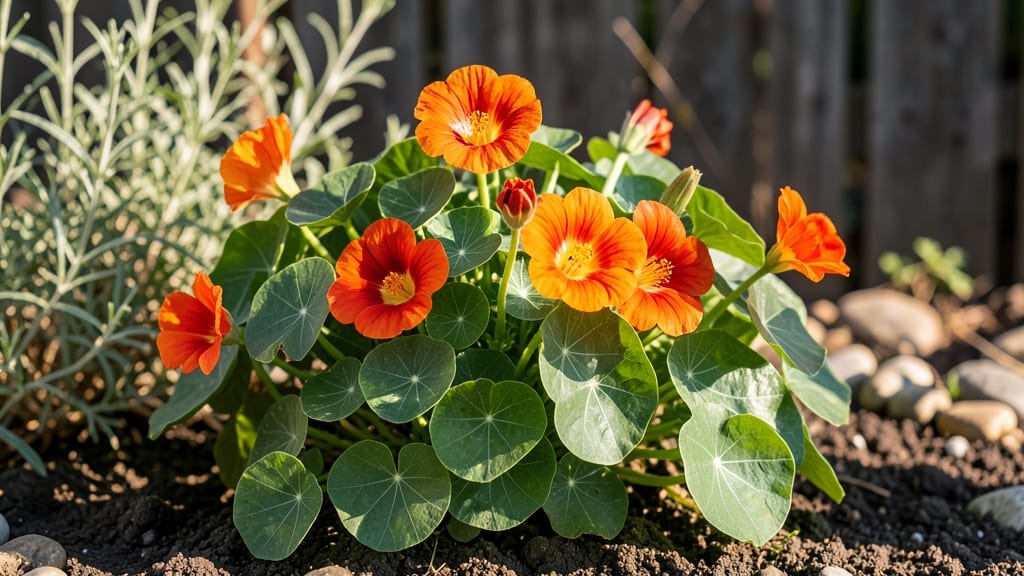
Nasturtiums flower when planted in spring and given the right conditions—typically between June and October, depending on your climate zone and variety.
If you’ve ever planted nasturtiums hoping for instant color, you’ve likely wondered why they seem to take forever to bloom—only to be surprised when vibrant flowers suddenly appear.
The timing of nasturtium flowers isn’t just about luck; it’s a carefully timed dance with your climate zone, planting season, and even the variety you choose.
In cooler regions like USDA Zone 6a, you might see the first blooms as early as late May, while warmer zones could enjoy flowers by April.
Early-blooming varieties like 'Alaska' often start sooner, while others like 'Empress of India' take a little longer but reward you with stunning, long-lasting flowers.
Here’s how to encourage your nasturtiums to bloom faster and keep flowering all season—plus a month-by-month timeline so you know exactly what to expect in your garden.
Nasturtium flowering timeline by USDA climate zones
Nasturtiums are one of the most colorful and versatile flowers in any garden, but their blooming schedule can vary dramatically depending on where you live. Understanding your USDA climate zone is key to predicting when those cheerful orange, yellow, and red blooms will appear.
In cooler zones like Zone 3, frost delays flowering, while warmer zones like Zone 11 enjoy nearly year-round blooms. Let's break down the typical flowering timeline month by month.
Temperature and daylight hours are the two biggest factors influencing when nasturtiums flower. Most varieties need consistent warmth (above 50°F) and longer daylight periods (14+ hours) to trigger blooming.
Early spring plantings in cold zones may not flower until summer, while late summer plantings in warm zones can bloom into fall. Even the variety you choose affects timing—some are bred for early blooms, while others focus on long-lasting flowers.
🌱 Early bloomers like 'Alaska' can flower as early as May in Zone 5, while late-season varieties like 'Empress of India' may not peak until August in Zone 9. The table below shows the general flowering windows by zone, but remember—these are estimates. Your local microclimate, soil quality, and care practices can shift the timeline by weeks.
| USDA Zone | First Blooms | Peak Blooms | Late Blooms | Notes |
|---|---|---|---|---|
| Zone 3-4 | Late June | July-August | Early September | Frost-sensitive; plant after last frost |
| Zone 5-6 | Early June | June-July | Late August | Ideal for container gardens |
| Zone 7-8 | May | May-June | September | Can rebloom with deadheading |
| Zone 9-10 | April | April-May | October | Year-round blooms possible |
| Zone 11 | March | March-April | November | Plant year-round for continuous color |
In Zone 3-4, where winters are harsh, nasturtiums often wait until late June to show their first blooms. The longer daylight hours of summer trigger the flowering process, and you'll see peak blooms from July through August.
If you're in Zone 5-6, you can expect an earlier start with flowers appearing as early as June, thanks to milder winters and earlier last-frost dates.
Gardeners in Zone 7-8 enjoy the best of both worlds—nasturtiums can bloom from May through September with proper care. The key here is deadheading spent blooms to encourage continuous flowering.
In warmer zones like Zone 9-10, the flowering season stretches from April to October, and with the right varieties, you might even see a few hardy blooms in November before the first frost.
If you live in Zone 11, consider yourself lucky—nasturtiums can bloom nearly year-round! In my own Zone 10b garden, I've seen 'Jewel Mix' nasturtiums flowering in March and again in November.
The secret is to plant in fall and spring for staggered blooms. Even in cooler zones, you can extend the season by starting seeds indoors 6-8 weeks before your last frost date.
Daylight length plays a crucial role in nasturtium flowering. These plants are day-neutral, meaning they don't rely solely on daylight hours like some other flowers. However, they do respond to longer days in summer by producing more blooms.
In northern zones, the increased sunlight of June and July coincides with peak flowering, while southern zones enjoy more consistent blooms throughout warmer months.
Temperature also affects flowering. Nasturtiums prefer warm soil (60°F+) to thrive. In cooler climates, planting in well-draining containers can help warm the roots faster, encouraging earlier blooms. I've found that black plastic pots absorb more heat and can make a noticeable difference in flowering time compared to traditional terracotta.
One common mistake gardeners make is planting nasturtiums too early in cold climates. The seeds need consistent warmth to germinate, and young plants can be damaged by frost. Wait until the soil is at least 50°F before planting outdoors.
In my Zone 6 garden, I always plant after Memorial Day to avoid frost damage and ensure timely blooms.
For continuous color, consider planting successive batches every 2-3 weeks. This staggered approach ensures you'll have blooms from early summer through fall. Choose a mix of early, mid, and late-season varieties to create a garden that stays vibrant all season long.
With the right timing and care, your nasturtiums can provide months of cheerful blooms that attract pollinators and add a pop of color to any garden. 🌻
How to accelerate nasturtium blooms: pro tips for gardeners
Nasturtiums are famous for their vibrant blooms, but they often take their time getting started. If you're eager to see those orange, yellow, or red flowers sooner, you can take proactive steps.
The key lies in understanding their growth triggers—light, nutrients, and even pruning habits. I’ve learned that a few simple adjustments can make a world of difference in bloom timing and abundance.
One of the biggest mistakes gardeners make is assuming nasturtiums will bloom quickly after planting. In reality, they often focus energy on leafy growth first before shifting to flowers.
By tweaking your approach, you can encourage earlier and longer-lasting blooms. Let’s dive into the proven strategies that work in my garden—and can work in yours too.
🌱 5 Pro Tips to Speed Up Nasturtium Blooms
- 1. Plant in full sun – Nasturtiums need 6+ hours of direct sunlight daily to trigger blooming. Even partial shade can delay flowers by weeks.
- 2. Use well-draining soil – Heavy, waterlogged soil stresses plants, slowing bloom production. Amend with compost for nutrient-rich, loose soil.
- 3. Deadhead regularly – Removing spent blooms redirects energy to new flower production, extending the blooming season by 30-50%.
- 4. Pinch back leggy growth – Trimming tips of stems encourages bushier plants with more blooms. Do this in early spring for best results.
- 5. Pair with companion plants – Nasturtiums thrive near bush beans, radishes, and cucumbers, which improve soil health and deter pests.
✅ Pro Tip: Avoid over-fertilizing with nitrogen—it promotes leaves over flowers. Use a balanced 5-10-5 fertilizer sparingly.
Another game-changer is watering technique. Nasturtiums hate soggy roots but need consistent moisture. I water mine deeply in the morning only, which prevents fungal issues and encourages stronger stems. Overhead watering at night can lead to damp foliage, slowing bloom production.
Don’t overlook the power of companion planting. Nasturtiums act as natural pest repellents when planted near tomatoes, squash, and brassicas. This not only protects your garden but also reduces stress on your nasturtiums, letting them focus on producing vibrant blooms instead of fighting pests.
Finally, choose the right variety for your goals. Some nasturtiums, like 'Alaska' or 'Dwarf Mix', bloom faster and more prolifically than others. If you’re in a cooler climate, opt for early-season varieties to enjoy flowers sooner in the year.
With these strategies, you’ll see nasturtium blooms arrive weeks earlier and last longer than ever. The secret isn’t just patience—it’s active garden care that sets them up for success. Happy gardening! 🌸