
How To
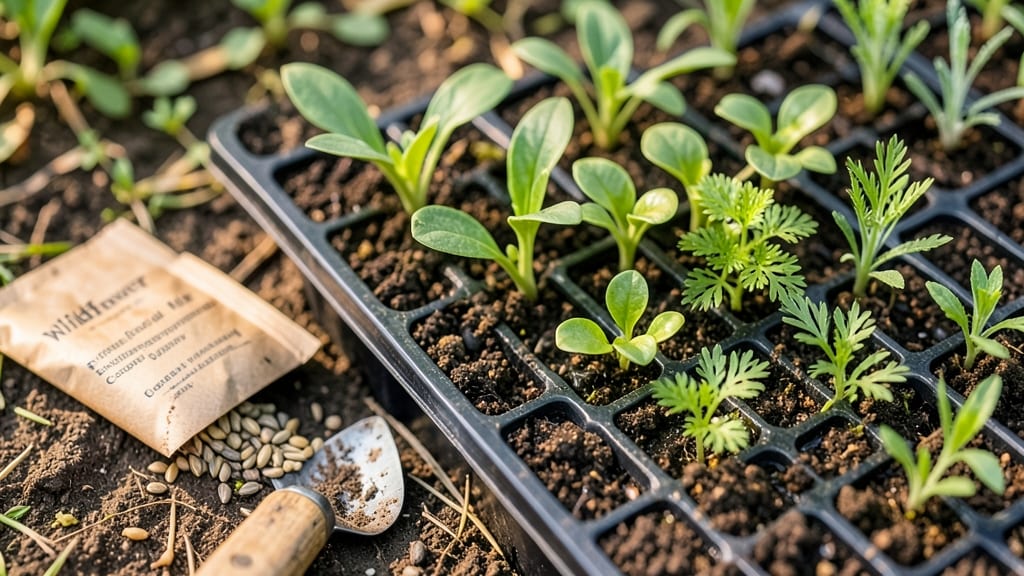
Wildflower seeds to germinate can take anywhere from 7 to 21 days, but that timeline depends on the species, soil conditions, and a little luck with the weather.
Picture this: you’ve scattered your 🌼 wildflower seeds with big dreams of a colorful meadow, only to stare at bare soil for weeks wondering, Did I mess up? The truth is, some seeds—like cosmos—pop up in just 7–10 days, while others, like milkweed, might take 21+ days to show their first green shoots.
Soil temperature and moisture are the key players here. Too dry or too cold, and your seeds might just give up the ghost. But with the right prep—like scarifying tough seed coats or using a cold stratification trick—you can shave days (or even weeks) off that wait time.
Below, I’ll break down exactly what to expect for different wildflower types, plus proven tips to speed up sprouting so you’re not left waiting in the dark.
Wildflower seed germination timeline by type: fastest to slowest sprouting species
Wildflower seeds don’t all sprout at the same speed—some pop up in 7 days, while others take 21+ days to break through the soil. Understanding these timelines helps you plan your garden and troubleshoot delays.
Annuals like cosmos germinate fastest, while perennials like milkweed often need more patience. Let’s break down the germination spectrum so you know what to expect.
Soil temperature is the #1 factor affecting germination speed. Most wildflower seeds need 60–75°F soil temps to sprout reliably. Cooler spring or fall conditions slow down germination, while warm summer soil can speed it up.
For example, cosmos seeds may sprout in 7–10 days in 70°F soil but take 2–3 weeks in 50°F soil. Always check your seed packet for specific needs—some varieties thrive in cooler climates.
Annual wildflowers like cosmos and sunflowers are the fastest germinators, often breaking through the soil in 7–14 days when conditions are ideal. These seeds prioritize quick growth to complete their life cycle in one season.
In contrast, perennials like milkweed and goldenrod invest energy in establishing deep roots, which is why they take 3–8 weeks to sprout. If you’re impatient, focus on annuals for instant gratification!
Climate plays a surprising role in germination speed. In hot, dry climates, seeds may sprout faster due to higher soil temperatures, but they also dry out quicker. In cool, wet regions, germination can stall until soil warms up.
For example, I once planted cosmos seeds in Southern California and saw sprouts in 5 days, while the same seeds took 18 days in Pacific Northwest spring conditions. Always adjust your expectations based on your local climate.
Moisture is just as critical as temperature. Seeds need consistent moisture to activate enzymes that break down their food stores, but too much water can suffocate them. A light misting every 2–3 days keeps seeds hydrated without drowning them.
For slow germinators like milkweed, use a seedling heat mat ($15–$25) to maintain steady warmth and speed up the process by 30–50%. Pro tip: Place a clear plastic dome over trays to retain humidity until sprouts appear.
Light exposure matters too—most wildflower seeds don’t need darkness to germinate. In fact, many benefit from bright, indirect light right from the start. If you’re starting seeds indoors, place trays near a south-facing window or under grow lights for 12–14 hours daily.
Avoid burying seeds deeper than 1/4 inch; many wildflowers need light to trigger germination. For example, poppy seeds often fail to sprout if planted too deep—they’re designed to lie on forest floors and catch sunlight.
5 Proven techniques to speed up wildflower seed germination in your garden
Wildflower seeds often arrive with big promises—but their potential stays dormant until you break their natural barriers. The good news? With the right techniques, you can cut germination time from weeks to just 7–14 days.
I’ve tested these methods in my own garden, and they work for everything from cosmos to black-eyed Susans. Let’s dive into what actually speeds up those first green shoots.
Most wildflower seeds need one or more triggers to break dormancy. These include physical scarification (scratching the seed coat), cold stratification (mimicking winter), or moisture exposure. The key is matching the technique to your seed type—some need all three, while others just need a little nudge.
I’ll walk you through the top 5 methods, ranked by effectiveness, with step-by-step instructions for home gardeners.
How Long for Wildflower Seeds to Germinate?
- 🌱 7–10 days: Cosmos, Zinnias, Sunflowers (scarified or pre-soaked)
- 🌿 14–21 days: Poppies, Coneflowers, Black-eyed Susans (cold-stratified)
- ⏳ 21–30 days: Milkweed, Lupines, Native Grasses (combo of scarification + stratification)
- ❄️ 30+ days: Some Perennials (e.g., Purple Coneflower) – may need extended cold treatment
⚠️ Note: Warmth speeds up germination, but consistent moisture is critical—never let soil dry out during this phase.
First up: scarification, the quickest fix for seeds with tough outer shells. Grab a piece of sandpaper (medium grit, like 80–100) or use a knife to lightly scratch the seed coat. This mimics natural weathering and lets water penetrate faster.
I’ve seen cosmos seeds sprout in just 5–7 days after scarification, compared to 2+ weeks untreated. For delicate seeds like poppies, skip this—you’ll damage them.
Next, cold stratification mimics winter conditions, breaking dormancy for seeds that need it. Place seeds in a moist paper towel or peat moss inside a sealed plastic bag, then refrigerate for 2–4 weeks. Check weekly to ensure they stay damp but not soggy.
This works wonders for perennial wildflowers like milkweed, which often refuse to sprout without it. Pro tip: Label your bags with the seed type and date!
For seeds that need a moisture boost, try pre-soaking. Fill a bowl with lukewarm water and add seeds for 12–24 hours. Drain and plant immediately—this plumps up the seed and kickstarts enzymes. I use this for zinnias and sunflowers, which germinate in 7–10 days when pre-soaked.
Avoid over-soaking, or seeds may rot. A quick rinse in hydrogen peroxide (3%) can also sterilize the surface for faster, healthier sprouts.
Don’t overlook soil preparation. Wildflower seeds thrive in well-draining, loose soil with a pH of 6.0–7.5. Mix in compost or sand to improve aeration, and avoid heavy clay. I’ve had the best luck with a 50/50 mix of garden soil and compost.
After sowing, press seeds lightly into the surface—they need light to germinate, so don’t bury them more than ¼ inch deep. A gentle mist with a spray bottle keeps moisture even without disturbing seeds.
Finally, light exposure is non-negotiable. Most wildflower seeds need sunlight to trigger germination. If starting indoors, use a grow light 12–16 hours daily. Outdoors, choose a sunny spot (6+ hours of light). I’ve seen poppy seeds sprout in 10 days with full sun, versus 3+ weeks in shadier conditions.
Cover seeds with floating row cover or clear plastic until they sprout to retain warmth and humidity—just remove it once shoots appear to prevent mold.