
Light Requirements
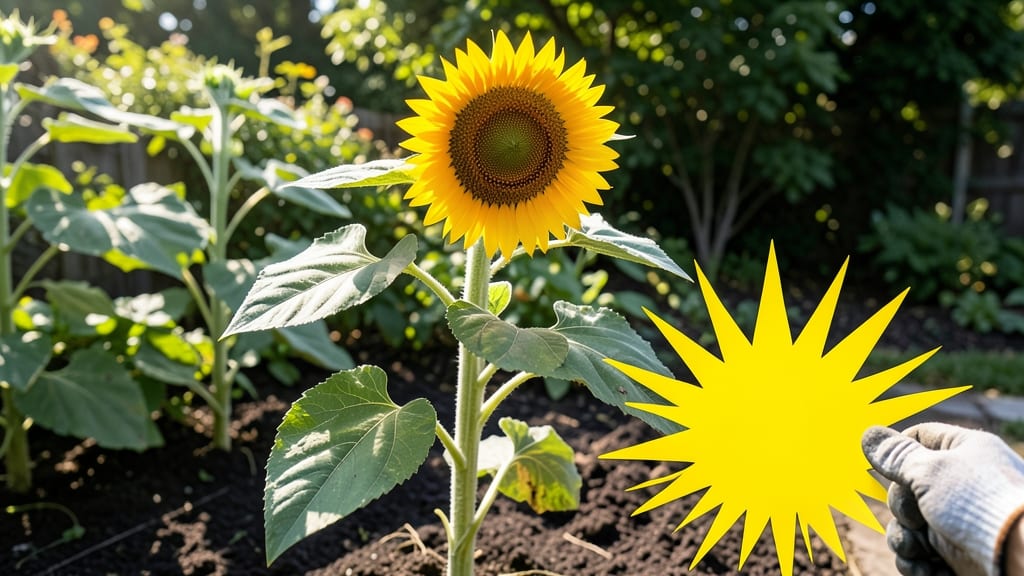
How much light does a sunflower need to grow tall and strong, reaching its full towering potential 🌻 — but most gardeners miss the mark on how much is really enough?
Picture this: you’ve planted your seeds in spring, watered them faithfully, and even used the right soil mix — yet your sunflowers barely reach knee height before wilting.
That’s not a seedling problem; it’s a light problem. Without enough sunlight, their stems grow weak, their blooms stay small, and all that potential energy goes to waste.
Here’s the secret: sunflowers thrive in full sun, but not all sunlight is created equal. Dwarf varieties might tolerate a little shade, while giant sunflowers demand unfiltered rays to reach their 10-foot-plus heights.
I’ll break down exactly how to measure sunlight, spot the signs of light deprivation, and even share tricks for maximizing exposure — whether you’re growing in a backyard or a balcony garden.
Ready to turn those leggy seedlings into sun-soaked giants? You’ll learn how to position your plants for peak growth, troubleshoot common light issues, and choose the right varieties for your space — so you can finally enjoy those golden blooms you’ve been dreaming of.

Sunflower light requirements: how many hours of sun for maximum growth
Sunflowers thrive under the sun's brightest rays, but their light needs change dramatically from seedling to towering bloom. As a sunflower lover, I've learned that 6-8+ hours of direct sunlight daily is non-negotiable for their photosynthesis efficiency and stem strength.
Without enough light, even the hardiest varieties will stretch pitifully toward the sky, their stems weak and leaves pale—what gardeners call etiolation.
The scientific magic happens in their leaves, where chlorophyll absorbs sunlight to convert carbon dioxide into energy. Sunflowers are C3 plants, meaning they perform best with full-spectrum sunlight (400-700nm wavelength).
When light dips below 6 hours daily, their growth slows, and their flower production suffers. Even partial shade can reduce their iconic bloom size by up to 50%.
Measuring sunlight isn't just about hours—it's about intensity. A south-facing garden in the Northern Hemisphere gets the most direct sunlight (up to 14 hours in summer).
But even 6 hours of bright morning sun plus 2 hours of afternoon sun can work for seedlings, provided the light is unfiltered. Partial shade (like under a dappled tree canopy) reduces light by 30-50%, which is deadly for sunflowers past the seedling stage.
For indoor growers, I recommend using LED grow lights with a 12-hour photoperiod (light cycle). Place lights 6-12 inches above plants and use a full-spectrum bulb (red/blue ratio of 80:20) to mimic natural sunlight.
My dwarf varieties (like 'Teddy Bear') tolerate 4-5 hours of light daily, but they'll never reach their full 4-foot potential without more.
One common mistake I see is assuming all sunflowers need the same light. Giant varieties (like 'Mammoth') demand 10+ hours of sun to support their 12-foot stems, while dwarf types can survive with 6 hours. The key is matching the variety's genetics to your light conditions.
For example, if you're in Zone 5 with short summer days, prioritize early-maturing varieties like 'Autumn Beauty' to maximize their sun exposure before daylight shortens.
To test your garden's sunlight, use a sunlight tracker or observe your space for a week. Mark the shadiest spots with flags—these are no-go zones for sunflowers after the seedling stage.
Even reflective surfaces (like white walls or gravel) can boost light intensity by up to 20%, so position your plants strategically. In urban areas, tall buildings can cast deep shade; I've had success using reflective mulch to redirect light onto sunflower stems.
When sunlight is scarce, focus on maximizing efficiency. Remove competing weeds that steal light, and prune lower leaves to reduce shade on the main stem. If your sunflowers start leaning dramatically, it's a cry for more light—transplant them immediately to a sunnier spot.
Remember, sunflowers follow the sun (heliotropism), so a fixed position in full sun is critical for their vertical growth.
For container growers, choose large pots (12+ inches deep) to accommodate deep roots, and place them
Signs your sunflowers aren’t getting enough light (and how to fix it)
If your sunflowers look more like sad stalks than towering giants, light deprivation might be the culprit. Sunflowers thrive on 6-8+ hours of direct sunlight daily, and when they don’t get enough, their growth suffers in noticeable ways.
The first clue? Stunted stems that barely reach knee height instead of their potential 10+ feet.
Beyond height, pale yellow leaves instead of deep green are a red flag. Sunflowers need strong light for chlorophyll production, and without it, their foliage loses its vibrant color.
You might also spot weak stems that flop or fewer buds forming—both clear signs the plant isn’t getting the energy it needs to bloom.
🌱
Sunflower Light Emergency!
Sunflowers need 6+ hours of direct sunlight daily—any less and growth stalls. Seedlings can tolerate partial shade temporarily, but mature plants won’t bloom without full sun. Check your garden’s sun exposure: South-facing spots get the most light, while North sides often lack intensity.
To diagnose the issue, observe your sunflowers at different times of day. If they’re casting long, dense shadows (meaning light hits them at a steep angle), they’re likely in partial shade. Even morning sun alone won’t cut it—sunflowers need midday intensity to thrive.
If your yard lacks full sun, consider relocating plants or using reflective surfaces like white walls to bounce extra light onto them.
For indoor growers, grow lights are a lifesaver. Use full-spectrum LED lights 12 inches above plants for 14-16 hours daily. Place lights on a timer to mimic natural daylight cycles. Compact fluorescent bulbs work too but require closer placement (6-8 inches) and longer exposure (16+ hours).
Always adjust light height as plants grow—too close causes leaf burn, while too far weakens stems.
If your sunflowers are already struggling, don’t despair. Prune leggy stems to encourage bushier growth and fertilize lightly with a balanced 10-10-10 mix to support recovery.
Move plants to a sunnier spot immediately—even a few extra hours of light daily can make a dramatic difference in their health and bloom potential.
☀️