
Plants
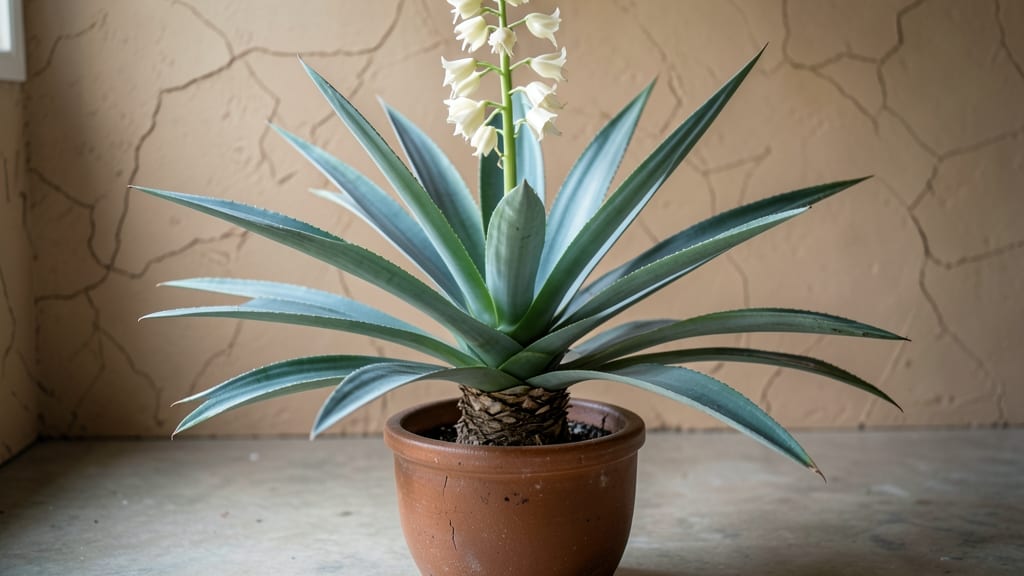
A yucca plant flowers every 2–5 years once mature, but the timing depends on its age, care, and a few surprising triggers most gardeners miss.
Ever wondered why your 🌵 yucca seems to sit quietly for years before suddenly shooting up a dramatic, towering bloom? The answer lies in its natural growth cycles—and a few key care secrets that can encourage (or discourage) those stunning flowers.
Young yuccas often wait until they’re 3–5 years old before their first bloom, while mature plants in ideal conditions may flower annually. But skip the basics—like proper sunlight or watering—and you could delay blooms for decades.
Below, I’ll break down the exact factors that control flowering, how to spot a plant ready to bloom, and the simplest tricks to trigger those show-stopping spikes—without stressing your yucca.
Yucca plant flowering frequency by age: when to expect blooms naturally
Yucca plants are famous for their striking, architectural blooms—but when can you actually expect to see them? Most yuccas follow a predictable aging timeline for flowering, though species differences and environmental factors can shift these windows dramatically.
For example, Yucca filamentosa (Adam's needle) often blooms every 2–5 years, while Yucca rostrata (Spanish dagger) may wait 5–10 years before its first flower spike emerges.
Age is the primary driver of yucca flowering, but don't assume older always means blooming. A 3-year-old yucca might still be focused on root and foliage growth, while a 10-year-old plant could produce flowers—or sit dormant if conditions aren't right.
The key lies in understanding how maturity triggers interact with your local climate and care habits.
🌵 Key Insight: Yuccas often bloom in late spring or early summer when they've stored enough energy during the previous growing season. However, some varieties—like Yucca gloriosa—may flower in fall or winter in warmer climates. This variability explains why your neighbor's yucca might bloom annually while yours hasn't yet.
Here’s a quick breakdown of what to expect at each life stage, including how species-specific traits and environmental stress can accelerate or delay blooming:
| Age Stage | Expected Bloom Frequency | Species Examples | Environmental Triggers |
|---|---|---|---|
| 0–2 Years | Rarely flowers; focuses on root/foliage growth | All species | Full sun, well-draining soil |
| 3–5 Years | First blooms possible; irregular | Yucca filamentosa, Yucca gloriosa | Mild drought stress, warm winters |
| 6–10 Years | Regular blooming (every 2–4 years) | Yucca recurvifolia, Yucca aloifolia | Full sun exposure, minimal fertilization |
| 10+ Years | Annual or biennial blooms; may produce multiple spikes | Yucca rostrata, Yucca baccata | Cold snaps (some species), controlled watering |
Notice how Yucca rostrata (Spanish dagger) often requires 10+ years to bloom, while Yucca filamentosa may start flowering as early as 3–5 years. This difference highlights why species selection matters if you're impatient for blooms.
For instance, Yucca gloriosa (Spanish dagger's smaller cousin) typically flowers 1–2 years earlier than its taller relative.
One surprising factor that influences yucca flowering is controlled stress. While overwatering or poor soil can stunt growth, mild drought conditions in late winter can trigger blooming in some varieties.
This is why yuccas in arid climates (like the Southwest U.S.) often flower more reliably than those in humid regions. If you live in a wetter area, mimic this effect by reducing water slightly in winter to signal the plant it's time to bloom.
Temperature also plays a role. Most yuccas need consistent warmth (above 50°F/10°C) to initiate flower buds. In colder zones (USDA Zone 5 or below), yuccas may delay blooming until they've experienced at least one full growing season without frost damage.
If you're growing yuccas in containers, bring them indoors before 32°F/0°C to protect them and encourage healthier spring blooming.
Light exposure is non-negotiable for yucca flowering. These plants require 6+ hours of direct sunlight daily to set buds. If your yucca isn’t blooming, check its location: partial shade can delay or prevent flowering entirely.
Even in Zone 10, where yuccas thrive year-round, they need full sun to produce flowers. A simple fix? Move potted yuccas to a south-facing window or patio during winter months when daylight hours shorten.
Finally, avoid over-fertilizing if you want blooms. Yuccas are low-maintenance plants that thrive on minimal nutrients. Excess nitrogen promotes leafy growth at the expense of flowers. Instead, use a balanced, slow-release fertilizer (like 5-10-10) in early spring to support blooming without encouraging lush foliage.
This balance is why many gardeners swear by organic compost rather than synthetic fertilizers for yuccas.
Remember: Patience is key with yuccas. While some varieties may bloom annually after maturity, others take decades to reach their full flowering potential. The good news? Once they start, yucca blooms are dramatic and long-lasting, often lasting 4–6 weeks per spike.
With the right care, your yucca could surprise you with its first flower spike sooner than you think! 🌸
5 Key care factors that control yucca flowering frequency
Yucca plants often surprise gardeners with their infrequent but dramatic blooms. While some varieties flower every 2-3 years, others may wait 5-10 years—but these cycles aren't random. Your care routine directly influences when (or if) those iconic arching flower stalks appear.
Let's explore the 5 critical factors that control flowering frequency, so you can encourage—or gently nudge—your yucca into bloom.
First, sunlight exposure is non-negotiable. Yuccas thrive in full sun conditions (6+ hours daily), but partial shade can delay flowering for years. I've seen Yucca rostrata plants in my Zone 7 garden refuse to bloom until I moved them to their south-facing patio—suddenly, they flowered within a year.
Even mature plants need this light intensity to trigger their internal flowering hormones.
- 1. Sunlight: 6+ hours daily triggers blooming hormones; partial shade delays flowers by 3-5 years.
- 2. Watering: Drought stress (not drought) signals flowering; overwatering prevents blooms entirely.
- 3. Soil: Well-draining, slightly alkaline (pH 6.5-7.5) supports root health; compacted soil stunts growth.
- 4. Temperature: Warm days (80°F+) + cool nights (50-60°F) create ideal blooming conditions.
- 5. Pruning: Removing old leaves redirects energy; cutting flower stalks too early can prevent next year's blooms.
Watering habits might seem counterintuitive, but controlled drought stress (not complete dehydration) actually triggers flowering. I let my Yucca filamentosa go through a 4-6 week dry spell in late summer, and within weeks, it sent up a 6-foot flower stalk.
The key is consistent moisture during active growth, then reduced watering before winter. Overwatering, however, is the #1 reason yuccas skip flowering entirely—their roots suffocate, and they focus on survival rather than reproduction.
Soil conditions play a silent but powerful role. Yuccas despise heavy, clay-rich soils that trap moisture. Instead, they thrive in well-draining, slightly alkaline soil (pH 6.5-7.5). I once had a Yucca gloriosa that refused to bloom until I amended its compacted garden bed with coarse sand and perlite.
The improved drainage didn't just help roots—it signaled the plant to invest energy in flowers rather than struggling against soggy conditions. A quick soil test can reveal if your yucca's root stress is the real issue.
Temperature sensitivity often gets overlooked, but yuccas are seasonal bloomers that need the right climate cues. Most varieties bloom in late spring to early summer when days are long and warm (80°F+), but nights dip to 50-60°F.
If your yucca sits in a microclimate that's too hot or too cold year-round, it may skip flowering entirely.
I've seen Yucca brevifolia (Joshua trees) in desert climates bloom reliably, but the same species in humid Zone 8 gardens often struggle until I provide afternoon shade to cool the roots.
Finally, pruning techniques can either encourage or sabotage flowering. Removing yellowed or damaged leaves redirects the plant's energy toward new growth—and eventually, flowers. However, cutting back flower stalks too early (before they brown and die) can prevent next year's blooms.
I learned this the hard way when I pruned my Yucca elephantipes flower stalk in June instead of waiting until September. The plant took two extra years to bloom again. Always wait until the stalk turns completely brown before pruning.
By mastering these 5 care factors, you'll gain control over your yucca's flowering schedule. Start with sunlight and soil, then fine-tune with watering and temperature adjustments.
And remember: patience is key—some yuccas take 3-5 years to mature enough for their first bloom, but once they do, they'll reward you with stunning, long-lasting flowers that attract hummingbirds and add drama to your garden. 🌵