
Size
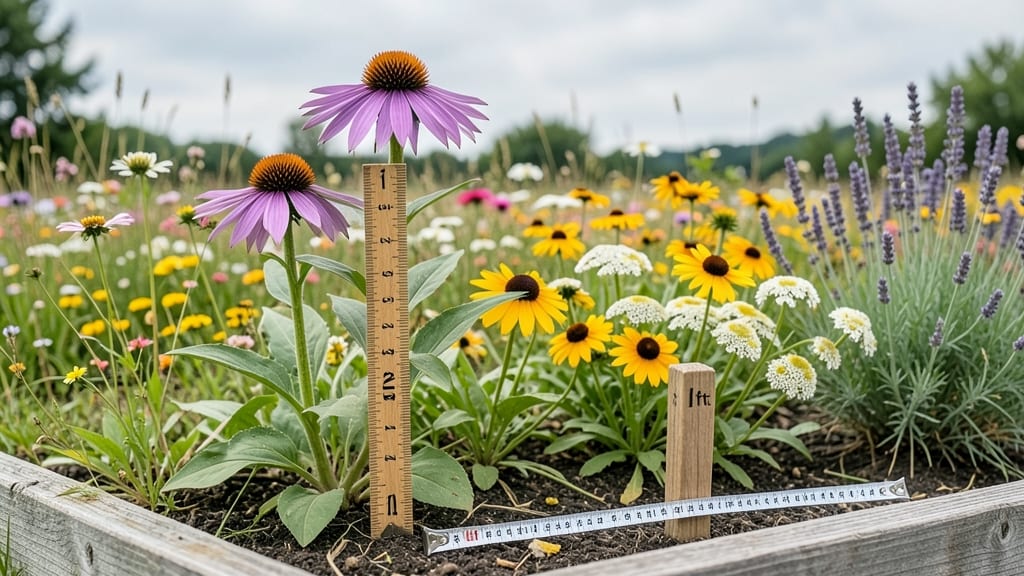
How tall do wildflowers grow? They range anywhere from 1 foot to towering 6 feet, depending on the species and growing conditions—so your garden design choices hinge on knowing which varieties fit your space.
Imagine a sunflower reaching for the sky next to delicate baby’s breath barely brushing your knees—this isn’t just a dream, but a common reality in wildflower gardens. The height difference between species can transform your landscape from cluttered to carefully curated, especially when you pair them by stature.
Whether you’re filling a small container or sowing a wildflower meadow, understanding height ranges helps you create layers that attract pollinators while keeping maintenance manageable. From dwarf varieties perfect for borders to towering giants that anchor a meadow, we’ll break down the key species and how to control their growth.
Discover how sunlight, soil, and climate tweak their height, plus pro tips for mixing wildflowers by size—so your garden stays vibrant, balanced, and full of life.

Wildflower height ranges by species: from dwarf to towering varieties
Designing a wildflower garden starts with understanding height ranges—because dwarf varieties can get lost behind tall giants if not planned carefully. Some wildflowers stay under 2 feet, perfect for borders or containers, while others reach 6 feet or taller, making dramatic backdrops.
Knowing these ranges helps create layered visuals that support pollinators at every level.
I’ve grown wildflowers from rock gardens to field-scale meadows, and the height differences shape how I arrange them. Dwarf wildflowers like Baby’s Breath (Gypsophila) add texture near pathways, while tall sunflowers (Helianthus) draw the eye upward in open spaces.
Let’s explore the spectrum so you can mix heights intentionally for a balanced, thriving garden.
Here’s a quick reference for wildflower height categories, including iconic species and their mature sizes:
The dwarf wildflowers (1–2 ft) are my go-to for container gardens or rockery edges. For example, Sweet Alyssum (Lobularia maritima) stays under 6 inches but packs a punch with its honey-scented blooms, attracting bees early in the season.
These are perfect for spilling over walls or lining walkways where you want soft, low-growing color.
Moving up, short wildflowers (2–4 ft) like Black-Eyed Susan (Rudbeckia hirta) and Purple Coneflower (Echinacea purpurea) are workhorses in pollinator gardens. I often pair them with dwarf varieties in front and medium-height grasses behind to create depth.
Their sturdy stems hold up to butterfly landings and bees buzzing between blooms.
Medium-height wildflowers (4–5 ft) like Blanket Flower (Gaillardia) bring bold colors to mid-border plantings. Their long bloom seasons (summer to fall) make them reliable for cutting gardens too. I’ve seen Bee Balm (Monarda) reach nearly 5 feet in full sun, while its lavender-pink blooms attract hummingbirds. These are ideal for background layers in mixed beds.
Finally, the tall wildflowers (5–7+ ft) steal the show. Sunflowers (Helianthus annuus) can tower over 6 feet, making them perfect for privacy screens or backdrop plantings. Joe Pye Weed (Eutrochium) adds arching stems and late-season blooms, supporting butterflies and bees when other flowers fade.
For large meadows, these giants create vertical interest and wildlife corridors.
Pro tip: Stagger heights by planting tallest flowers at the back, medium in the middle, and dwarfs in front. This creates a natural progression that guides the eye and supports pollinator movement through your garden.
For example, pair 6-foot sunflowers with 4-foot coneflowers and 1-foot alyssum for a three-tiered display.
If you’re working with limited space, focus on dwarf and short varieties in containers or raised beds. For large meadows, mix medium and tall species to create wild, natural drifts.
And remember: height isn’t fixed—pruning or selecting dwarf cultivars can adjust growth to fit your design.
🌼
How growing conditions affect wildflower height: sunlight, soil, and climate factors
Wildflowers don’t grow to their full potential by accident—they respond directly to their environment. Sunlight exposure, soil quality, and climate conditions can double or halve a plant’s height, transforming a 4-foot Coneflower into a 2-foot shrub or a 6-foot Sunflower into a 10-foot tower.
Understanding these factors lets you shape your wildflower garden with intention, whether you want a low-maintenance border or a dramatic meadow backdrop.
Let’s break down how each growing condition influences height—and how you can leverage them to get the exact look you want.
From nutrient-rich soil that fuels growth to partial shade that keeps plants compact, small adjustments can make a big difference in your garden’s vertical design. Climate zones also play a role, with cooler regions often producing shorter, stockier plants compared to their sunbaked southern counterparts.
Wildflower Height Influencers
6+ hours daily
3-6 hours sun
High organic matter
Low nutrients
Weekly deep soaks
Minimal irrigation
USDA Zones 8-10
USDA Zones 3-6
Take Sunflowers, for example. In full sun with fertile soil, they can reach 10 feet or more—but in partial shade or poor soil, they’ll max out at 4-5 feet.
Similarly, Black-Eyed Susans typically grow 3-4 feet, but in nutrient-poor soil, they’ll stay closer to 2 feet. This variability is why I always test my soil before planting wildflowers—I want to know whether I’m dealing with a height explosion or a compact growth habit.
Climate also shifts height expectations. In hot, dry regions like the Southwest, wildflowers often grow taller and leaner to reach sunlight, while in cooler, wetter climates like the Pacific Northwest, they stay shorter and bushier.
For instance, Prairie Coneflowers in Zone 5 might only hit 2 feet, but in Zone 9, they’ll easily stretch to 4 feet. If you’re designing a pollinator garden, this means choosing species that thrive in your local climate to avoid unexpected height surprises.
To control height naturally, I use pruning and selective thinning. For example, pinching back tall Phlox in early summer encourages bushier growth, while removing lower leaves on Sunflowers directs energy upward.
If you’re working with limited space, dwarf varieties like Baby’s Breath (1-2 feet) or Calendula (1-1.5 feet) are perfect for borders, while tall grasses like Little Bluestem (3-4 feet) add drama to the back of a meadow.
For maximum height, focus on well-draining, nutrient-rich soil and consistent moisture. Amend clay soil with compost or sand to prevent root stress, and mulch heavily to retain moisture. In drought-prone areas, group taller wildflowers together to create a microclimate that retains moisture longer.
Remember, height isn’t just about aesthetics—it’s also about pollinator access. Taller flowers attract butterflies and hummingbirds, while shorter varieties welcome bees and ground-dwelling insects.