
Flowers
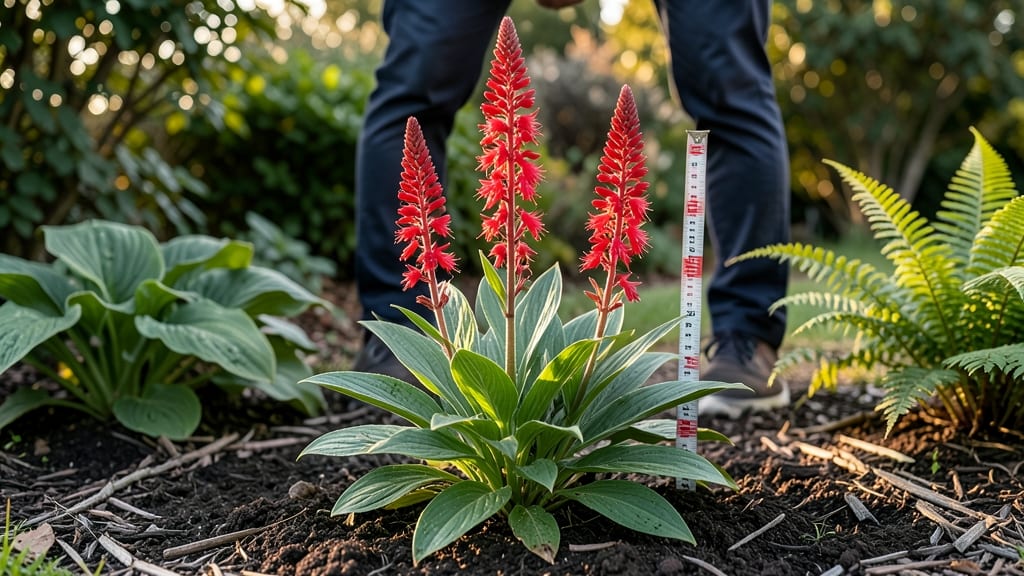
The cardinal flower 🌸 grows between 2 and 5 feet tall, depending on sunlight, soil, and variety—but many gardeners underestimate how quickly it reaches its mature height.
Imagine planting a 2-foot beauty in spring, only to watch it shoot up to 4 feet by midsummer. That’s why knowing its growth range is key before tucking it into your garden beds or containers.
Sunlight plays a huge role: too much direct sun can stretch stems, while partial shade keeps plants stockier. In USDA Zone 6a, where cardinal flowers thrive, proper spacing and pruning can also control their vertical spread.
Below, I’ll break down height ranges by variety, how to encourage healthy growth, and whether your garden or patio can handle their dramatic (but beautiful) reach.

Cardinal flower height by variety: compact vs. tall growing types
The cardinal flower (Lobelia cardinalis) is famous for its vibrant red blooms, but its height varies dramatically depending on the variety. Some cultivars stay compact enough for containers, while others reach impressive heights in garden beds.
Understanding these differences helps you plan your garden layout and choose the perfect spot for these stunning perennials.
Most cardinal flowers mature between 2 to 5 feet tall, but specific varieties can be significantly shorter or taller. For example, dwarf varieties like 'Compacta' rarely exceed 2 feet, while standard types like 'Queen Victoria' can tower up to 5 feet.
This variation makes cardinal flowers versatile for both border gardens and backyard focal points.
Below is a detailed comparison of popular cardinal flower varieties, including their mature heights, spread, and ideal growing conditions. This will help you select the perfect cultivar for your garden space and design needs.
When selecting a cardinal flower variety, consider not only its height but also its spread and growth habit. For example, 'Compacta' is ideal for containers or small gardens where space is limited, while 'Queen Victoria' makes a stunning backdrop plant in larger garden designs.
Always check the mature size before planting to avoid overcrowding.
Another key factor is how the plant’s height affects its sunlight needs. Taller varieties like 'Queen Victoria' often require more support in windy areas, while shorter types like 'Compacta' can thrive in partial shade where taller plants might struggle.
This balance ensures your cardinal flowers remain healthy and vibrant throughout the growing season.
If you're growing cardinal flowers in containers, opt for dwarf varieties like 'Compacta' or 'Fireworks'. These stay manageable in pots while still delivering stunning blooms. For garden beds, taller varieties add vertical interest and draw the eye toward the back of the border.
Always leave 18–24 inches of space between plants to allow for their mature spread.
One common mistake gardeners make is underestimating how quickly cardinal flowers can grow. Even dwarf varieties can reach their mature height in just one growing season, so plan accordingly. If you're unsure about spacing, start with a few plants and monitor their growth before filling in the gaps.
For a low-maintenance garden, pair taller cardinal flowers with shorter perennials like heuchera or astilbe. This creates a layered look while keeping the taller plants from overwhelming the space.
In containers, mix cardinal flowers with trailing plants like fuchsia or lobelia to add texture and prevent the cardinal flower from looking too top-heavy.
Remember, cardinal flowers thrive in moist, well-draining soil with partial shade to full sun. Proper care—including regular watering and occasional staking—helps maintain their ideal height and prevents flopping, especially in taller varieties. With the right cultivar and placement, your cardinal flowers will become a showstopper in any garden design.
How sunlight affects cardinal flower height and bloom production
The cardinal flower (Lobelia cardinalis) thrives under specific light conditions that directly impact its height and bloom production. While it can grow between 3 to 5 feet tall, sunlight exposure determines whether it reaches its full potential or becomes leggy and weak.
Too much direct sun can stress the plant, while too little shade reduces flowering. Understanding these dynamics helps you optimize growth for stunning, healthy blooms.
In partial shade (4-6 hours of sunlight), cardinal flowers typically grow to their ideal mature height of 3-4 feet with strong stems and abundant blooms. This light level provides enough energy for photosynthesis without overheating the plant.
However, in full sun conditions, stems may elongate excessively, reaching up to 5 feet tall but with fewer blooms and weaker structural support.
Cardinal flowers grown in full sun often develop taller but weaker stems due to rapid growth stretching. This legginess occurs because the plant stretches toward light, creating thin stems that struggle to support heavy blooms.
In contrast, partial shade encourages shorter, stockier growth with thicker stems and more robust flowering.
To maximize bloom production, aim for morning sun exposure (4-6 hours) combined with afternoon shade. This balance prevents overheating while providing enough light for photosynthesis. In hot climates, afternoon shade is especially critical to prevent wilting or sunburn on delicate foliage.
If your cardinal flower starts growing too tall or leaning, it’s likely receiving too much direct sunlight. Move it to a shadier spot or provide afternoon shade with a sheer curtain. For container-grown plants, rotate them weekly to ensure even light exposure and prevent one-sided growth.
Remember that bloom duration is closely tied to sunlight. Plants in optimal light conditions (partial shade) produce flowers for 6-8 weeks, while those in full sun may bloom for only 3-4 weeks before fading.
Adjusting sunlight exposure can transform your cardinal flower from a floppy, underperforming plant to a vibrant, long-blooming centerpiece.