
Flowers
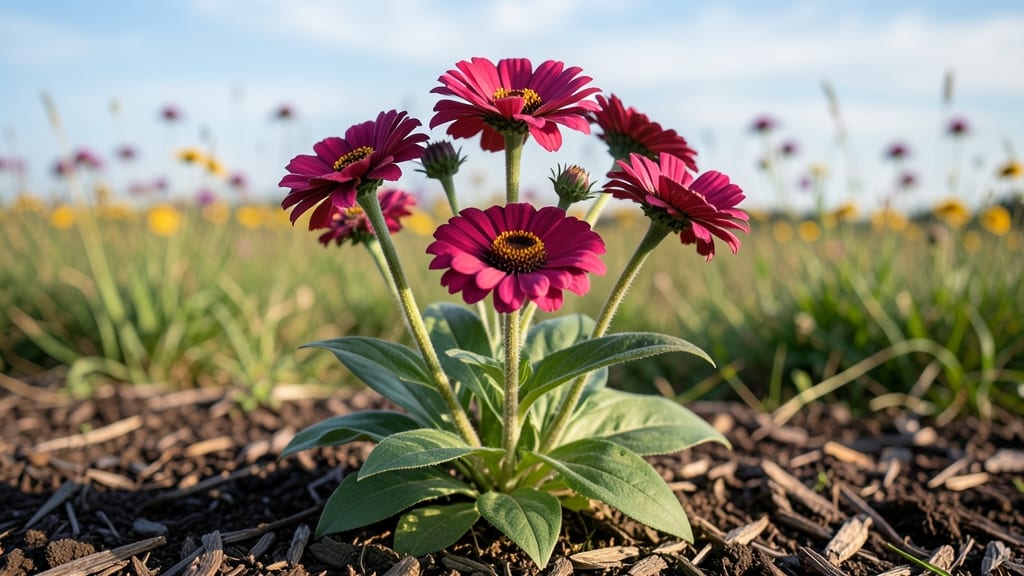
How tall do zinnia flowers grow? They range anywhere from 6 inches to over 4 feet, depending on the variety you choose—so your garden layout can go from tiny containers to towering backdrops.
Wondering whether your zinnias will reach for the sky or stay compact? The answer depends entirely on the type you plant. Dwarf varieties like 'Thumbelina' stay under a foot tall, while giants like 'Benary's Giant' can stretch to 4 feet or more.
That means your 🌸 choice isn’t just about color—it’s about design.
Sunlight, soil, and spacing play a role too. Zinnias thrive in full sun but need room to breathe—crowd them, and you’ll stunt their growth. Meanwhile, regular pruning keeps taller types from toppling over, making them perfect for cut flower arrangements or borders.
Below, I break down the height ranges by variety, how to use them in your garden, and tips to control growth if space is limited. Whether you’re planning a container garden or a towering floral display, this guide helps you pick the right zinnias for the job.

Zinnia height by variety: from dwarf to giant blooms
If you're planning your garden and wondering how tall do zinnia flowers grow, the answer depends entirely on the variety you choose. Zinnias offer a stunning range of heights, from tiny dwarf varieties perfect for containers to towering giant blooms that make dramatic statements in the backyard.
Understanding these differences helps you select the perfect zinnias for your space, whether you're creating a colorful border or adding height to a cut flower arrangement.
From 6-inch dwarfs to 4-foot giants, zinnias adapt beautifully to different garden designs. The key is choosing varieties that match your layout goals—whether you need low-growing companions for annuals or tall backdrops for mixed beds.
Let’s explore the height spectrum so you can pick the perfect zinnias for your garden vision.
🌱 Did You Know? The tallest zinnia varieties can reach heights comparable to small shrubs, while dwarf types stay compact enough for window boxes. This versatility makes zinnias one of the most adaptable flowers for modern gardens.
| Variety | Height Range | Best For | Notes |
|---|---|---|---|
| Dwarf Varieties | 6–12 inches | Containers, window boxes, borders | Compact, perfect for small spaces |
| Thumbelina Series | 6–10 inches | Potted displays, fairy gardens | Heat-tolerant, long blooming |
| Crystal Series | 10–12 inches | Cut flowers, small arrangements | Double blooms, disease-resistant |
| Medium Varieties | 1–2 feet | Mixed borders, pollinator gardens | Versatile for mid-height planting |
| Benary's Giant Series | 18–24 inches | Cut flowers, bouquets | Classic tall zinnias with large blooms |
| Profusion Series | 12–18 inches | Mass planting, pollinator gardens | Continuous blooming, heat-resistant |
| Tall Varieties | 2–3 feet | Backdrop plants, cut flower gardens | Strong stems, great for arrangements |
| State Fair Series | 24–30 inches | Cut flowers, cottage gardens | Bold, long-lasting blooms |
| Giant Varieties | 3–4+ feet | Dramatic backdrops, cut flower farms | Tallest zinnias, need staking |
| Envy Series | 36–48 inches | Cut flower arrangements | Extra-large blooms, heat-tolerant |
| Lincoln Giant | 4+ feet | Tallest zinnias, cut flower farms | Classic giant, needs support |
When selecting zinnias, consider your garden's vertical layers. Dwarf varieties like the Thumbelina Series create stunning container displays, while giant zinnias like Lincoln Giant add drama to the back of borders. For pollinator gardens, medium-height varieties like Profusion Series provide perfect mid-level blooms that bees and butterflies love.
If you're growing zinnias for cut flowers, taller varieties like Envy Series or State Fair Series produce long stems perfect for bouquets. These varieties often require staking or support to prevent flopping, especially in windy conditions. For container gardening, stick to dwarf or semi-dwarf types to avoid overcrowding.
Another factor influencing height is growing conditions. Zinnias grown in full sun and well-draining soil tend to reach their maximum potential, while those in partial shade may stay shorter. Pruning and deadheading also affect height—regular maintenance encourages bushier growth and prevents legginess in taller varieties.
For small gardens, consider dwarf zinnias like Crystal Series, which stay under 12 inches. These work beautifully in window boxes or as edging plants.
If you're creating a cut flower garden, mix medium and tall varieties to create visual interest while ensuring you have enough stems for arrangements.
Pro tip: If you love the look of tall zinnias but have limited space, try growing them in large containers with support cages. This keeps them contained while still allowing you to enjoy their dramatic height. Just be sure to water consistently and fertilize lightly to encourage strong stems.
🌼 Final Thought: Whether you choose 6-inch dwarfs or 4-foot giants, zinnias bring color and texture to any garden. Their height versatility makes them a gardener's dream—ready to adapt to borders, containers, or cut flower arrangements with ease.
How zinnia height affects garden design and care
The height of your zinnia flowers isn't just about aesthetics—it directly impacts how you plant, care, and design your garden. Tall varieties like 'Benary's Giant' can reach 4+ feet, while dwarf types like 'Thumbelina' stay under 12 inches.
This variation means your spacing, supports, and even companion plants will need adjustments to keep everything thriving. Let's explore how height influences every aspect of zinnia care and garden planning.
For tall zinnias, you'll need to plan for sturdy stems and proper spacing to prevent flopping. These varieties often require cages or stakes to support their weight, especially in windy areas.
Meanwhile, dwarf zinnias are perfect for containers or front-of-border planting, where their compact size adds vibrant color without overwhelming smaller plants. Understanding these differences helps you create a cohesive, functional garden layout that maximizes both beauty and plant health.
- Dwarf zinnias (6-12 inches): Ideal for containers or small gardens. Space 6-8 inches apart and use lightweight containers with drainage.
- Medium zinnias (1-2 feet): Perfect for mid-border planting. Space 12-18 inches apart and pair with low-growing companions like marigolds.
- Tall zinnias (2-4 feet): Need sturdy supports like tomato cages or bamboo stakes. Space 18-24 inches apart for airflow.
- Giant zinnias (4+ feet): Require heavy-duty stakes or trellises. Space 24+ inches apart and plant in full sun for best support.
- Watering needs: Taller varieties need more frequent watering at the base to prevent stem weakness. Dwarf types tolerate drier soil better.
- Pruning tips: Pinch back tall zinnias early to encourage bushier growth, while dwarf varieties rarely need pruning.
- Deadheading: All heights benefit from removing spent blooms to prolong flowering, but tall types may need regular support checks.
When designing your garden, tall zinnias make stunning backdrop plants or cut flower specimens, while dwarf varieties excel in rock gardens or window boxes. For example, 'Crystal' zinnias (18-24 inches) pair beautifully with salvias or lavender in a herbaceous border.
Meanwhile, 'Lilliput' zinnias (6-10 inches) thrive in hanging baskets alongside petunias or bacopa for a cascading effect.
Care requirements also shift with height. Taller zinnias need deeper watering to reach their roots, while dwarf types can survive with shallower watering. I always water at the base for tall varieties to avoid fungal issues from wet foliage.
For pruning, I recommend using clean, sharp shears to trim back overgrown stems—especially for tall zinnias—to maintain their structural integrity and encourage new blooms.
Don't overlook the role of companion plants when planning your zinnia layout. Tall zinnias can overshadow smaller plants, so I pair them with vertical growers like cleome or sunflowers to create a balanced height dynamic.
For dwarf zinnias, I mix them with ground covers like ajuga or creeping thyme to fill in gaps and add texture. This thoughtful pairing ensures every plant gets the sunlight and airflow it needs to thrive.
One of my favorite tricks for managing tall zinnias in small spaces is to prune them back by one-third early in the season. This encourages bushier growth and prevents them from toppling over.
For container gardening, I choose dwarf or semi-dwarf varieties and use self-watering pots to maintain consistent moisture. Whether you're designing a cutting garden or a colorful border, understanding your zinnia's height will help you create a garden that's both functional and visually stunning.