
Flowers
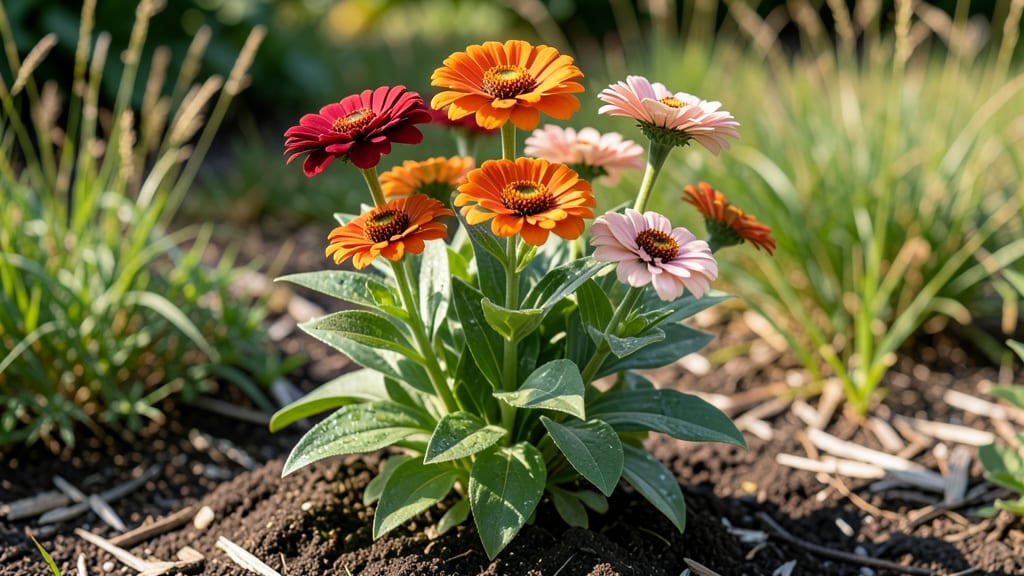
Zinnia flowers thrive in sun or shade, but the right light exposure is the secret to bold blooms that last all summer.
Picture this: you’ve planted your 🌼 zinnias with high hopes, only to watch them stretch leggy or produce sparse flowers. That’s often a sign they’re not getting the light they need—or too much of it.
The good news? With the right variety and a few simple adjustments, you can coax vibrant zinnias from full sun to partial shade, no matter where you garden in zone 6a.
Sun-loving zinnias like Benary’s Giant demand at least 6 hours of direct light to reach their full potential, while shade-tolerant types like Thumbelina can handle just 3–4 hours.
The key is matching your zinnias to your space—and knowing when to tweak soil, water, or even their neighbors to give them the best shot.
In this guide, I’ll walk you through the top sun and shade varieties, how to spot light stress, and pro tips to keep your zinnias blooming from July through October. Let’s get those flowers popping!
 Best Window Placement
Best zinnia varieties for full sun: bold colors that thrive in heat
If you're dreaming of a vibrant, heat-resistant garden bursting with color, zinnias are your perfect match—especially when planted in full sun conditions. These cheerful blooms not only tolerate but thrive in intense sunlight, producing larger flowers and longer bloom times.
The key is selecting the right varieties and providing proper care to prevent heat stress and wilting.
Zinnias need at least 6 hours of direct sunlight daily to reach their full potential. Without enough sun, they'll produce smaller, sparse blooms and may become leggy. But with the right placement and care, these sun-lovers will reward you with bold colors from summer through fall.
Let's explore the top varieties that shine brightest in full sun.
Here’s a quick comparison of the best sun-loving zinnias to help you choose the perfect fit for your garden:
| Variety | Height | Bloom Time | Color Range | Heat Tolerance | Special Features |
|---|---|---|---|---|---|
| Benary’s Giant | 3–4 ft | Summer–Frost | Red, pink, white, yellow | ⭐⭐⭐⭐⭐ | Large, dinner-plate blooms |
| Profusion Series | 1–2 ft | Summer–Fall | Orange, pink, red, purple | ⭐⭐⭐⭐ | Compact, disease-resistant |
| State Fair | 2–3 ft | Summer–Frost | Red, orange, yellow | ⭐⭐⭐⭐ | Long stems for cutting |
| Crystal Series | 1–2 ft | Summer–Fall | White, pink, lavender | ⭐⭐⭐ | Double blooms, delicate petals |
| Thumbelina | 6–12 in | Summer–Fall | Red, orange, yellow | ⭐⭐⭐⭐ | Perfect for containers |
The Benary’s Giant variety is a standout for its massive blooms that can reach up to 5 inches across. These zinnias are perfect for cut flower arrangements and add a dramatic focal point to any garden bed.
They thrive in hot, sunny climates and continue blooming until the first frost, making them a low-maintenance superstar.
For smaller spaces or containers, the Profusion Series is an excellent choice. These zinnias are compact yet prolific bloomers, producing clusters of flowers that attract pollinators like bees and butterflies. Their disease-resistant traits make them ideal for gardeners in humid regions where fungal issues can be a problem.
If you're looking for zinnias that can handle intense heat without wilting, prioritize varieties like State Fair or Profusion. These types have thicker stems and waxy leaves, which help them retain moisture better in dry conditions.
To maximize their heat tolerance, water deeply in the morning and avoid overhead watering to prevent fungal diseases.
One common mistake gardeners make is overwatering zinnias in full sun. While they need consistent moisture, soggy soil can lead to root rot. Instead, aim for 1–1.5 inches of water per week, adjusting based on your local climate.
Mulching around the base of your zinnias with straw or shredded leaves helps retain moisture and regulate soil temperature.
To keep your zinnias blooming all season, deadhead spent flowers regularly. This simple task encourages new blooms and prevents the plant from putting energy into seed production.
Pair this with a balanced fertilizer (like 5-10-10) applied every 4–6 weeks during the growing season to support vigorous growth and abundant flowering.
For gardeners in extremely hot climates (like the Southwest U.S.), consider providing afternoon shade during the peak of summer. A simple lightweight shade cloth or even a strategically placed trellis can offer relief without sacrificing too much sunlight.
This small adjustment can make a big difference in preventing heat stress and leaf scorch.
Finally, don’t overlook the power of companion planting. Pairing zinnias with low-growing herbs like thyme or basil can improve air circulation and deter pests. Avoid planting them near tall, shade-casting plants like sunflowers, which can rob them of the sunlight they crave.
With the right variety and care, your zinnias will shine brightly in full sun, turning your garden into a colorful oasis that lasts from summer through fall. 🌼☀️✂️
Shade-tolerant zinnia varieties: hidden gems for low-light gardens
Most gardeners assume zinnias need full sun to thrive, but some varieties actually flourish in partial shade. These shade-tolerant zinnias bring vibrant color to woodland gardens, patio containers, or areas under trees where sunlight is limited.
With just 3–4 hours of direct light daily, these varieties reward you with long-lasting blooms and compact growth.
If you've struggled with zinnias in shady spots, you're not alone. Many gardeners overlook these varieties, assuming they won't perform. However, shade-tolerant zinnias like 'Crystal Series' and 'Thumbelina' prove that low-light conditions don't have to mean sacrificing those cheerful blooms.
The key lies in selecting the right variety and adjusting care techniques.
Zinnia Light Needs at a Glance
| Variety | Light Needs | Growth Habit |
|---|---|---|
| 'Crystal Series' | 3–4 hours sun | Compact, bushy |
| 'Thumbelina' | 3–4 hours sun | Dwarf, 6–12" |
| 'Zahara Series' | 4–5 hours sun | Semi-dwarf, 12–18" |
💡 Pro Tip: Boost shade performance by amending soil with compost and using light-colored mulch to reflect extra light.
For partial shade success, start with 'Crystal Series' zinnias. These varieties handle dappled sunlight beautifully while delivering double-layered blooms in shades of pink, red, and white. Their compact growth makes them perfect for container gardening or border edges where taller plants cast shade.
Another standout is 'Thumbelina' zinnias, which thrive with just 3 hours of sun daily. Their miniature size (6–12 inches) makes them ideal for rock gardens or hanging baskets in shady spots. To maximize their potential, water consistently—shade-loving zinnias need even moisture to prevent leggy growth.
Don't forget to enrich your soil with organic matter before planting. Shade-tolerant zinnias benefit from well-draining, nutrient-rich soil that helps compensate for reduced photosynthesis. Mix in compost or aged manure at planting time to give your zinnias a nutrient boost for stronger stems and more abundant blooms.
With the right variety and care, your shade garden can burst with zinnias all season long. Try these hidden gems in your low-light areas—you'll be amazed at how vibrant they can be, even without full sun! 🌿