
Blooming
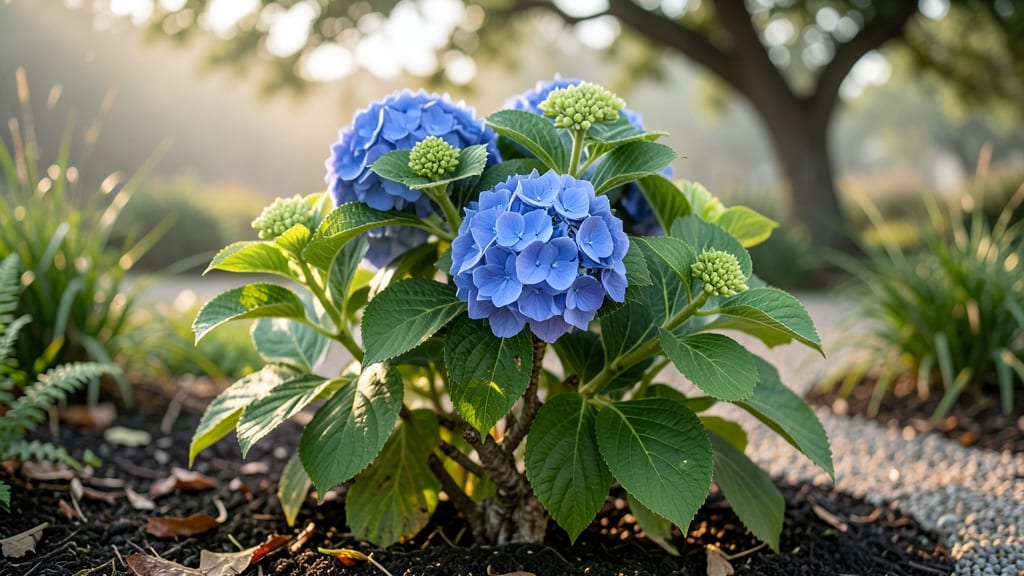
Hydrangea flower time varies dramatically by type and location, but knowing the month-by-month schedule for your zone means you can plan for those showstopping blooms instead of wondering why your bushes are lagging.
If you’ve ever wondered why your hydrangeas bloom at different times—or why some years they seem to disappear entirely—understanding their month-by-month flowering cycle is the key to unlocking lush, vibrant blooms year after year.
For example, bigleaf hydrangeas (like the classic mophead) typically burst into color in late June to July, while panicle varieties often wait until August or September for their dramatic displays. Oakleaf hydrangeas? They’re early risers, with blooms appearing as soon as May or June.
In this guide, I’ll break down exactly when to expect flowers in your USDA zone, how to adjust care for longer bloom times, and the simple tricks to keep your hydrangeas bursting with color from spring through fall.
When do hydrangeas bloom? Month-by-month flowering schedule by type
Hydrangeas are famous for their show-stopping blooms, but their flowering windows vary wildly depending on the type and your USDA zone. Some varieties burst into color in early summer, while others wait until late fall.
Understanding these differences helps you plan your garden for maximum impact—whether you want early-season color or extended fall displays.
Most hydrangeas bloom on new wood (current season’s growth), but a few rely on old wood (last year’s stems). This distinction is critical for pruning and timing. For example, mophead and lacecap hydrangeas (bigleaf types) bloom on old wood, while panicle and oakleaf hydrangeas bloom on new wood.
Let’s break down their schedules by month and zone.
🌸
In USDA zones 3-5, hydrangeas typically bloom 2-4 weeks later than in zones 7-10 due to cooler springs. For example, a mophead hydrangea in zone 4 might not peak until mid-July instead of June.
Conversely, zone 9-10 varieties often start blooming as early as May and may continue into November if conditions are right.
Climate plays a huge role. Panicle hydrangeas (like 'Limelight' or 'Little Lime') are the most heat-tolerant and often bloom later into fall, while lacecap varieties (such as 'Annabelle') may struggle in extreme heat and bloom more intensely in cooler, coastal climates.
If you live in a hot, dry zone, prioritize panicle or oakleaf types for extended color.
🌿
Early bloomers (like 'Endless Summer' mophead) are bred to flower on both old and new wood, giving you blooms from June to October—a gardener’s dream! These varieties are ideal if you want consistent color without worrying about pruning mistakes. Meanwhile, late-season varieties (such as 'Grandiflora' lacecap) shine in fall, adding structure to your garden as other plants fade.
To maximize your hydrangea’s bloom time, prune at the right moment. For old wood bloomers (mophead/lacecap), wait until late winter or early spring after flowers fade.
For new wood bloomers (panicle/oakleaf), prune in late winter to encourage fresh growth. Skipping this step can mean fewer or no blooms the following season!
🪴
Pro tip: Deadhead spent blooms in late summer to redirect energy into new flowers. This works best for new wood bloomers and can extend their season by 3-4 weeks. Pair this with consistent watering (hydrangeas hate drought stress!) and balanced fertilizer in spring to keep your plants thriving.
With the right care, your hydrangeas can turn your garden into a year-round spectacle—from early summer’s first buds to fall’s final blossoms.
💧
How to extend hydrangea bloom time with pruning and care
Hydrangeas are famous for their stunning clusters, but their flowering window can feel disappointingly short. The good news? With the right pruning techniques and seasonal care, you can delay blooms into fall or prolong them for weeks longer than usual.
The key lies in understanding your hydrangea type and timing everything perfectly.
Most hydrangeas bloom on old wood (last year’s growth), while others like panicle types bloom on new wood. This difference changes when and how you prune.
For example, mophead and lacecap varieties need gentle pruning after blooming to preserve next year’s flowers, while panicle hydrangeas thrive with a harder prune in late winter. Let’s break down the exact steps to maximize your blooms.
- 1 Deadhead spent blooms in late summer to redirect energy toward new buds. Use clean pruners and cut just above the first set of healthy leaves.
- 2 Prune old-wood types (mophead, lacecap) right after blooming to avoid cutting next year’s buds. Never prune in fall or winter—this removes potential flowers.
- 3 Fertilize in early spring with balanced 10-10-10 to boost growth. Skip fall feeding—it encourages tender new growth that won’t survive frost.
- 4 Mulch heavily in fall (3-4 inches) to insulate roots and protect buds from freezing. Use organic mulch like shredded bark or straw.
- 5 Water deeply weekly during bloom season (June-August). Drought stress causes buds to abort prematurely. Use a soaker hose to keep soil evenly moist.
For panicle hydrangeas, which bloom on new wood, you can prune aggressively in late winter (February-March) to encourage longer, fuller stems and a second flush of blooms later in the season. Cut back 1/3 of the oldest stems each year to maintain shape and stimulate fresh growth.
This type is more forgiving—even if you prune too late, it’ll still rebound with new flower clusters.
Another game-changer is light deadheading in late summer. Instead of cutting all blooms, leave a few faded flower heads on the plant. These can develop into seed pods, which some gardeners find charming, but if you prefer a cleaner look, remove them after they’ve set seed.
This trick tricks the plant into thinking it’s done blooming, so it focuses energy on root and stem health for next year.
Finally, don’t underestimate the power of seasonal adjustments. In hot climates (Zones 8-10), hydrangeas may bloom earlier and fade faster due to heat stress. Provide afternoon shade with a lightweight shade cloth (30-50% coverage) to preserve moisture and extend bloom longevity.
In cooler zones (3-6), protect plants with burlap wraps during winter to prevent bud freeze and ensure a stronger spring rebloom.
With these strategies, you’ll enjoy hydrangea blooms from early summer well into fall, turning your garden into a non-stop floral show. The secret? Timing, patience, and a little extra care—your hydrangeas will thank you with bigger, brighter, and longer-lasting blooms every season. 🌸