
Planting
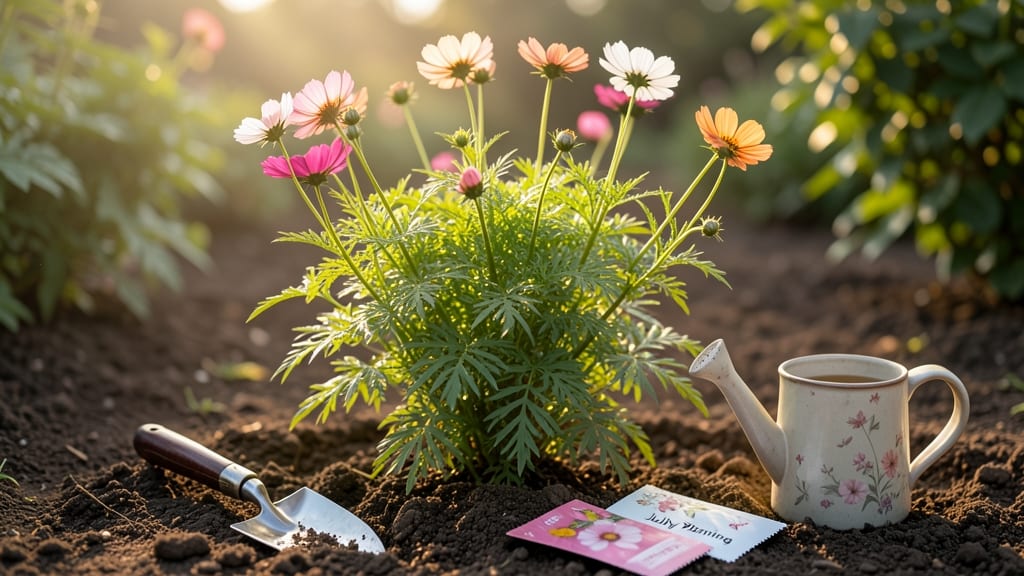
Planting flower seeds in July can still deliver fast, vibrant blooms — even in the heat — with the right heat-tolerant varieties and smart techniques.
July is the perfect time to sow fast-growing flower seeds and transform your garden into a vibrant summer paradise—without waiting months for blooms. The key? Choosing annuals like cosmos, zinnias, and marigolds that sprout in just 5-7 days and thrive in warm soil.
Most gardeners think summer planting is too late, but with proper soil prep, shade protection for seedlings, and consistent watering, you can enjoy bold summer color well into fall.
Below, I’ll share the top fast-germinating varieties for July, soil tips to beat the heat, and a simple care routine to keep your flowers flourishing until frost.
Fast-germinating flower seeds perfect for July planting
July might feel like the wrong time to plant flowers, but with fast-germinating seeds, you can still enjoy a summer color explosion without waiting months. Many annuals thrive in warm soil and sprout within 3-7 days, giving you quick blooms to enjoy before fall arrives.
The key is choosing heat-tolerant varieties that won't wilt under July's intense sun.
I've tested these top performers in my own garden—cosmos, zinnias, marigolds, and sunflowers all deliver stunning results when sown in July. These flowers don't just grow fast; they also attract pollinators and repel pests naturally, making them a win-win for your garden ecosystem.
Let's dive into the best options that will have your garden bursting with color in just a few weeks.
| Flower | Germination Time | Sun Needs | Height | Bloom Time |
|---|---|---|---|---|
| Cosmos | 3-5 days | Full sun | 2-4 ft | 6-8 weeks |
| Zinnias | 4-7 days | Full sun | 1-3 ft | 6-10 weeks |
| Marigolds | 5-7 days | Full sun | 1-2 ft | 4-6 weeks |
| Sunflowers (dwarf) | 4-6 days | Full sun | 2-3 ft | 8-12 weeks |
| Nasturtiums | 3-6 days | Partial sun | 1-2 ft | 5-7 weeks |
| Portulaca | 2-4 days | Full sun | 0.5-1 ft | 4-6 weeks |
| Sweet Alyssum | 5-7 days | Full sun | 0.5-1 ft | 6-8 weeks |
| Bachelor's Buttons | 4-6 days | Full sun | 1-2 ft | 6-8 weeks |
| Calendula | 5-7 days | Full sun | 1-2 ft | 7-9 weeks |
| Cleome | 3-5 days |
How to maximize success when planting flower seeds in July heatJuly might seem too late for planting flower seeds, but with the right approach, you can still enjoy vibrant blooms all summer long. The key lies in selecting heat-tolerant varieties and adapting your planting techniques to combat the intense midday sun and dry conditions. I’ve planted cosmos and zinnias in July for years, and they’ve always delivered stunning results with minimal effort. Before you even reach for your seed packets, focus on preparing your soil and creating the ideal environment for germination. Loose, well-draining soil with added organic matter is non-negotiable—it helps retain moisture while preventing root rot. I always mix in a 2-inch layer of compost or aged manure to give seedlings a nutrient boost right from the start. This step alone can make the difference between thriving plants and struggling seedlings. ⚠️
Heat Shock WarningDirect July sun can cause seedling heat stress, leading to stunted growth or death. Never plant seeds in full afternoon sun—use shade cloth (30-50%) or temporary row covers until seedlings are 3-4 inches tall. Morning sun exposure is ideal during germination. Timing your watering schedule is another critical factor. Unlike cooler months, July seeds need consistent moisture without becoming waterlogged. I recommend watering twice daily—once in the early morning and again in the late afternoon. Use a gentle spray nozzle or drip irrigation to avoid disturbing the soil surface, which can expose seeds. A mulch layer (straw or shredded leaves) helps lock in moisture and keeps roots cool. Don’t overlook the importance of seed depth and spacing. In hot conditions, seeds should be planted only twice as deep as their diameter—never deeper. Crowding seeds leads to competition for water and nutrients, which weakens seedlings. For example, marigolds should be spaced 8-12 inches apart, while cosmos can handle 12-18 inches. Thin seedlings carefully once they’re 2-3 inches tall to avoid root damage. After germination, focus on gradual hardening. Once seedlings appear, remove shade cloth gradually over 3-5 days to acclimate them to direct sun. I also apply a light liquid fertilizer (5-5-5 ratio) at half strength 10 days after sprouting to support root development. Avoid heavy fertilizers early—they can burn tender seedlings. Monitor for pests like aphids or spider mites, which thrive in hot, dry conditions, and treat with neem oil if needed. Finally, embrace succession planting to extend your blooms. Instead of sowing all seeds at once, stagger plantings every 2-3 weeks. This ensures a continuous display of flowers and prevents overcrowding. My sunflower and nasturtium patches thrive this way, giving me color from midsummer through early fall. With these techniques, your July-planted flowers will reward you with bold, long-lasting blooms—proving that summer isn’t too late for a vibrant garden. |