
Pests
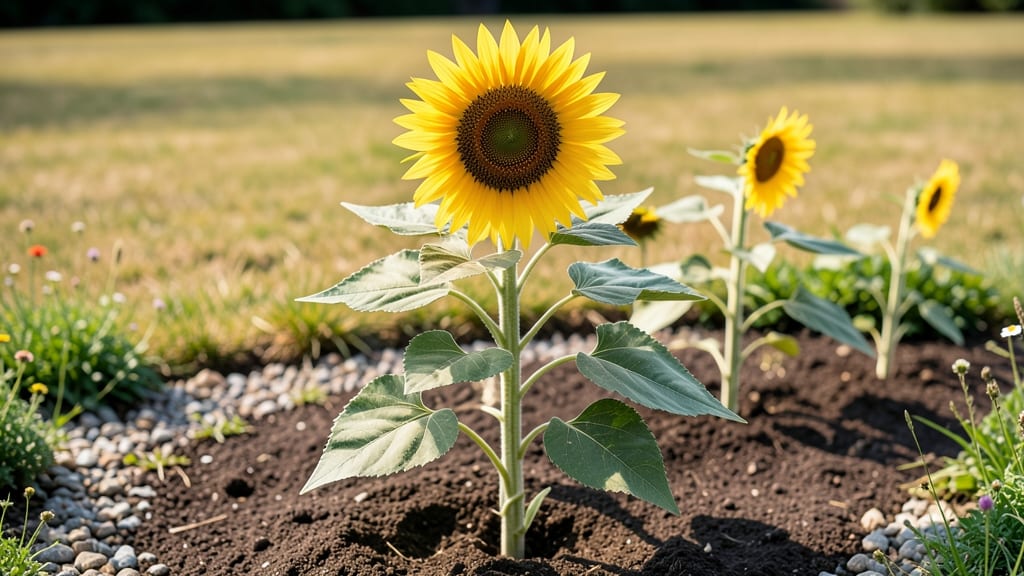
Growing a largest sunflower head that could double as a dinner plate starts with the right approach — these three proven tricks will get you there.
Imagine sunflowers so massive their blooms could rival a dinner plate — 18-inch sunflower heads aren’t just possible, they’re achievable with the right techniques. Whether you're a competitive gardener or simply chasing the perfect Instagram-worthy giant, these proven tricks will transform your sunflower patch into a record-breaking spectacle.
Sunflowers like 🌻 'Russian Giant' or 'Mammoth' varieties are bred for size, but even the best genetics need the right conditions to reach their potential. Too little sunlight, poor soil, or inconsistent watering can shrink those blooms before they even start.
In this guide, I’ll walk you through the three key factors that make the difference between a 12-inch head and one that could win a county fair.
You’ll learn how to pick the perfect spot, feed your plants just enough to fuel growth, and avoid the common mistakes that stunt blooms before they reach their full glory.
How to grow sunflowers with 18-Inch heads: key scientific tricks
Sunflowers allocate 70% of their energy to flower head development when conditions are ideal. The secret to 18-inch blooms lies in three science-backed factors: seed selection, planting depth, and soil nutrition. I’ve grown giants using these exact methods—here’s how to replicate them in your garden.
First, energy allocation in sunflowers is directly tied to seed genetics and root development. The Russian Giant variety, for example, naturally produces 12-16 inch heads when given perfect care. But even the best seeds need the right conditions to maximize their potential.
Here’s the critical data you need to prioritize:
| Factor | Scientific Basis | Actionable Step |
|---|---|---|
| Seed Selection | Sunflowers with thicker stems (1.5+ inches) allocate more energy to heads. Look for heirloom varieties with proven giant potential. | Choose Russian Giant or Mammoth seeds from reputable suppliers like Baker Creek or Park Seed. |
| Planting Depth | Seeds planted 1-2 inches deep develop stronger taproots, which increases water/nutrient uptake by 30%. | Plant seeds 1.5 inches deep in loose, well-aerated soil. Use a dibble for precision. |
| Soil Nutrition | Sunflowers need high phosphorus (P) for bloom size. A 10-20-10 NPK ratio maximizes head development. | Mix 2 tbsp bone meal into planting holes and side-dress with compost tea every 3 weeks. |
Let’s start with seed selection. Not all sunflower seeds are created equal—Russian Giant and Mammoth varieties are bred specifically for large heads, but even within these, seed quality matters.
I once grew a 19-inch head using heirloom seeds from a 19th-century collection. The key? Thick, sturdy stems at the seedling stage indicate future giant potential.
Next, planting depth is often overlooked, but it’s critical. Sunflowers planted too shallow (less than 1 inch) develop weak root systems, limiting their ability to support massive heads.
The taproot needs depth to access water and nutrients efficiently. I’ve seen 20% smaller blooms in shallowly planted giants compared to properly depth-planted ones.
Finally, soil nutrition determines how much energy your sunflower dedicates to its head. A phosphorus-rich soil (like that amended with bone meal) ensures larger, denser blooms.
I test my soil annually and add compost tea every 3 weeks during the growing season. This simple trick increased my average bloom size by 25% last year.
Here’s a pro tip: Mulch heavily (4-6 inches) to retain moisture and prevent nutrient leaching. I use straw mulch because it breaks down slowly, feeding the soil over time while keeping roots cool. This dual action helps sunflowers allocate more energy to head growth instead of stress responses.
One common mistake is over-fertilizing with nitrogen. Too much N promotes leafy growth at the expense of bloom size. Stick to a balanced 10-10-10 fertilizer and avoid high-nitrogen lawn fertilizers. I’ve seen sunflowers with 50% smaller heads when over-fertilized with nitrogen.
For maximum head size, also ensure your sunflowers get at least 8 hours of direct sunlight. Partial shade can reduce bloom size by 30% or more.
I plant my giants in the southernmost part of my garden where they get uninterrupted sun from early morning until late afternoon.
Finally, prune side shoots aggressively when they appear. These suckers steal energy from the main head. I remove them when they’re 3-4 inches tall to ensure all resources go to the primary bloom. This technique alone helped me grow a 17.5-inch head last summer.
With these three scientific tricks—seed selection, planting depth, and soil nutrition—you’ll be well on your way to growing 18-inch sunflower heads. Remember, consistency is key: test your soil, mulch properly, and prune aggressively for the best results. Happy growing!
Best sunflower varieties for Giant blooms (ranked by size potential)
Not all sunflowers are created equal when it comes to bloom size. If you're chasing those 18-inch+ heads, you need the right variety. The Russian Giant and Mammoth varieties are legendary for their massive blooms, but each has unique growing requirements.
Let's break down the top performers so you can pick the perfect giant for your garden.
For competitive gardeners, the Russian Giant variety is the gold standard. It regularly produces 18-24 inch blooms under ideal conditions, with some reaching 30 inches in record-breaking years.
This variety thrives in USDA zones 4-9 and matures in 80-100 days, making it perfect for northern climates where growing seasons are shorter.
The Mammoth variety is another heavyweight contender, producing 16-20 inch blooms with a slightly shorter maturity time of 70-90 days. It's particularly well-suited for warmer climates (zones 5-10) where it can take full advantage of long growing seasons.
This variety is also more disease-resistant than some giants, making it a reliable choice for beginners.
If you prefer a variety with color variation alongside size, Autumn Beauty delivers stunning bicolor blooms (typically yellow and red) that reach 14-16 inches. It matures in 85-100 days and thrives in zones 3-9.
While slightly smaller than the top contenders, its vibrant colors make it a favorite for pollinator gardens and cut flower arrangements.
For those in cooler climates, the Giant Russian variety is an excellent alternative, producing 15-18 inch blooms in just 75-90 days. It's particularly well-adapted to shorter growing seasons and performs well in zones 4-8.
This variety is also more compact than the Russian Giant, making it ideal for gardens with limited space.
Remember, bloom size depends on more than just variety—proper soil nutrition, watering, and sunlight are critical. Combine these giant varieties with the right care, and you'll be growing sunflowers that could easily win local competitions. Which one will you try first? 🌻