
Fertilization
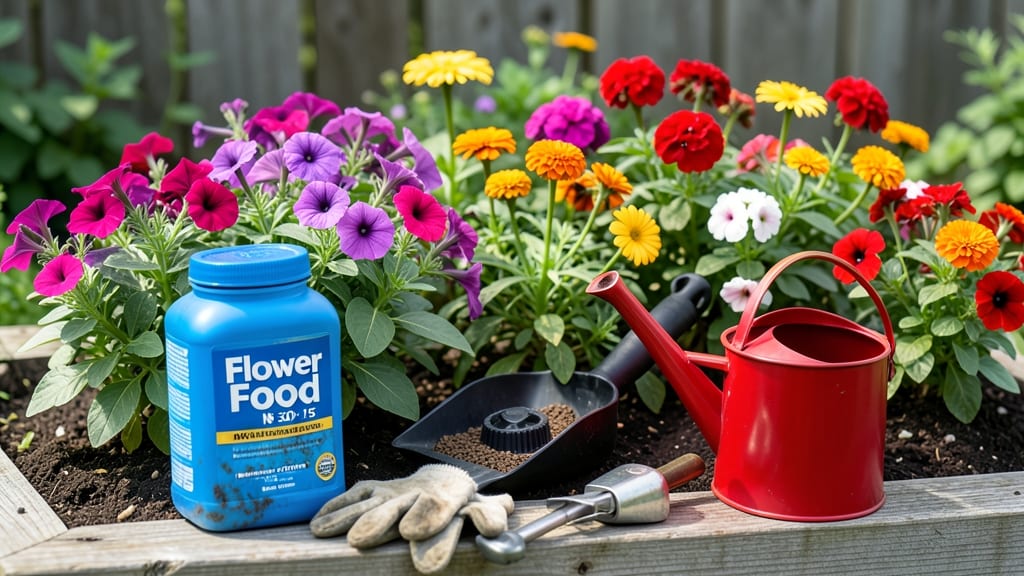
Miracle Gro Flower Food with its 12-12-12 NPK ratio is the game-changer for gardeners who want vibrant blooms that last all season.
Picture this: you’ve nurtured your flowers all spring, only to watch them fade too soon. The difference between a short-lived burst of color and a garden that stays lush and bright? Understanding how to use this precise fertilizer blend correctly.
This balanced NPK formula isn’t just about feeding your plants—it’s about giving them the right nutrients at the right time. Too much nitrogen, and you’ll get leafy growth with few blooms.
Too little phosphorus, and those buds might never open. We’ll show you how to strike the perfect balance for longer-lasting flowers in USDA Zone 6a and beyond.
From container gardens to raised beds, you’ll learn when to apply, how much to use, and which flowers respond best—plus how to avoid the common mistakes that leave your plants struggling instead of thriving.
Understanding Miracle Gro Flower Food NPK ratios: what the numbers mean for your plants
When you see the 12-12-12 label on Miracle Gro Flower Food, those numbers aren't random—they're a precise recipe for plant success.
This NPK ratio (Nitrogen-Phosphorus-Potassium) tells you exactly how much of each essential nutrient your flowers need to thrive. Nitrogen (N) fuels leafy growth, phosphorus (P) powers blooms, and potassium (K) strengthens roots and disease resistance. Balancing these three elements is the key to vibrant, long-lasting flowers.
Miracle Gro Flower Food's balanced 12-12-12 ratio makes it perfect for flowering plants that need steady nutrition without favoring one growth stage over another.
Unlike high-nitrogen fertilizers that promote foliage at the expense of blooms, this formula ensures your petunias, impatiens, and marigolds produce abundant flowers while maintaining healthy green leaves. Think of it as a well-rounded meal plan for your plants!
The 12-12-12 ratio means each number represents a percentage of that nutrient by weight. So, 12% nitrogen, 12% phosphorus, and 12% potassium—equal parts for comprehensive plant health. This balance is particularly beneficial for annual flowers that bloom heavily in one season, as they need consistent nutrition to keep producing flowers.
For perennials, this ratio helps them recover and bloom year after year.
| Nutrient | Role in Plant Growth | Impact of Miracle Gro 12-12-12 | Best For |
|---|---|---|---|
| Nitrogen (N) | Leafy growth, chlorophyll production | Supports strong foliage without overpowering blooms | Annuals, foliage plants |
| Phosphorus (P) | Root development, flower production | Boosts bloom size and frequency | Perennials, bulbs, flowering shrubs |
| Potassium (K) | Disease resistance, root strength, stress tolerance | Enhances plant resilience to pests and weather | Container plants, heat-stressed flowers |
| Micronutrients | Iron, manganese, zinc, etc. | Ensures overall plant health and vibrant colors | All flowering plants |
The phosphorus (P) in Miracle Gro Flower Food is particularly important for flower development. When your plants are in their pre-bloom stage, phosphorus helps them transition from vegetative growth to producing buds.
This is why you'll see more petal formation and larger blooms when using this fertilizer during the early flowering phase. For example, roses and hydrangeas will develop fuller, more vibrant blooms when given this balanced nutrition.
Potassium (K) might not get as much attention as nitrogen or phosphorus, but it's crucial for root health and disease resistance. In Miracle Gro Flower Food, potassium helps your plants better absorb water and nutrients, which is especially important during hot summer months when plants are under stress.
I've noticed that container-grown flowers like geraniums and begonias stay healthier and bloom longer when given this fertilizer, even in high temperatures.
Adjusting your approach based on plant type is key. For annual flowers like zinnias or cosmos, which bloom heavily in one season, you can apply Miracle Gro Flower Food every 2-3 weeks during their active growing period.
However, for perennials like daylilies or black-eyed Susans, a monthly application in early spring and again after the first bloom cycle will suffice. Always follow the package instructions, but feel free to tweak based on your plants' responses.
One common mistake is overusing fertilizer, which can lead to burned roots or excessive foliage at the expense of flowers. If you notice your plants producing lots of leaves but few blooms, it's a sign they need more phosphorus.
In this case, you can switch to a higher-phosphorus fertilizer like a 5-10-5 ratio temporarily, then return to Miracle Gro Flower Food once blooming improves. Always dilute the fertilizer as directed to avoid overapplication.
For container plants, the 12-12-12 ratio is especially beneficial because it provides a balanced diet in a compact space. Since potted plants have limited soil volume, their nutrients deplete faster. Using Miracle Gro Flower Food every 4-6 weeks during the growing season helps maintain consistent nutrition.
I've found that potted petunias and balsam impatiens thrive when given this fertilizer, producing continuous blooms all summer long.
Remember, the key to success with Miracle Gro Flower Food is consistency. Whether you're growing flowers in your backyard garden, raised beds, or container pots, applying this fertilizer regularly during the growing season will help you achieve the lush, blooming plants you've always wanted.
Start with the recommended dosage, observe your plants' response, and adjust as needed to keep your garden flourishing all season long.
Step-by-step guide: how to apply Miracle Gro Flower Food for maximum blooms
Miracle Gro Flower Food with its 12-12-12 NPK ratio is designed to deliver balanced nutrition for longer-lasting blooms. But applying it correctly makes all the difference between wilted petals and vibrant, abundant flowers.
The key lies in timing, dilution, and knowing when to pause. Let me walk you through the exact steps I use in my own garden to get the most from this fertilizer.
First, always apply Miracle Gro Flower Food when your plants are actively growing—not during dormancy. The 12-12-12 ratio provides equal parts nitrogen, phosphorus, and potassium, but the real magic happens when you match it to your plants' growth stages.
For example, annuals like petunias need more frequent feeding, while perennials like daylilies can handle longer gaps between applications.
⚠️ CRITICAL STEP: Never apply to dry soil or wilting plants. Always water thoroughly first to prevent root burn. The NPK ratio works best when roots are hydrated and ready to absorb nutrients.
Step-by-Step Miracle Gro Flower Food Application
- 1 Pre-Bloom Stage (Early Growth): Mix 1 tbsp per gallon of water and apply every 2-3 weeks to encourage root and foliage development.
- 2 Bloom Stage (Peak Flowering): Reduce to 1 tbsp per 2 gallons of water and apply every 4 weeks to sustain blooms without overfeeding.
- 3 Post-Bloom (Late Season): Switch to 1 tbsp per 3 gallons of water or skip entirely to avoid encouraging late-season growth that won't harden off before frost.
- 4 Seasonal Adjustments: In hot climates, dilute further (1 tbsp per 4 gallons) to prevent salt buildup. In cooler zones, extend feeding intervals by 1-2 weeks.
- 5 Signs of Over-Fertilization: Yellowing leaves, burnt leaf edges, or excessive foliage with few blooms mean you're overdoing it. Flush soil with water immediately and reduce future doses by half.
For container plants, I always use the highest dilution ratio (1 tbsp per 3 gallons) because roots are more confined and vulnerable to salt buildup. Pro tip: Apply fertilizer to the soil surface, not the leaves, to avoid chemical burns.
Water thoroughly after each application to help nutrients penetrate the root zone.
One common mistake I see is applying Miracle Gro Flower Food too late in the season. Once temperatures drop below 50°F (10°C), most flowering plants enter dormancy, and fertilizer can actually stunt next year's blooms. Always check your local frost dates and adjust your schedule accordingly.
With these steps, you'll see healthier roots, bigger blooms, and longer-lasting flowers—exactly what this fertilizer promises. The key is consistency and attentiveness to your plants' needs at each growth stage. 🌸