
Flowers
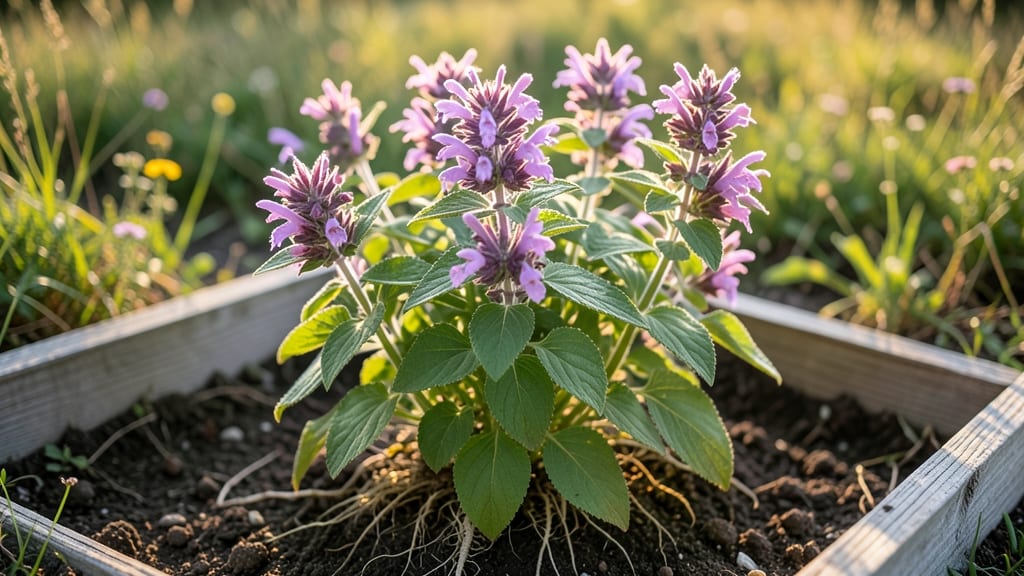
These perennial flowers hummingbirds like 🐝🌸 are the secret weapon for a garden that stays vibrant and buzzing all season—no annual replanting required.
Picture this: a garden where hummingbirds dart between blooms from spring through fall, sipping nectar while you sip your morning coffee. The key? Planting perennials that thrive year after year, offering nonstop fuel for these tiny, high-energy visitors.
But here’s the catch—many gardeners overlook perennials because they assume they’re high-maintenance or lack flashy colors. The truth? The best hummingbird perennials deliver vibrant reds, tubular shapes, and long bloom cycles, all while demanding less fuss than annuals.
In this guide, I’ll share my top 10 perennial picks—ranked by blooming season, hardiness, and hummingbird approval—plus how to arrange them for maximum impact. Ready to create a low-effort, high-reward pollinator paradise?
Top 10 perennial flowers that attract hummingbirds year after year
Hummingbirds are nature's tiny acrobats, and their love for nectar-rich perennials makes them a gardener's dream. Unlike annuals that require yearly replanting, these hummingbird magnet flowers return every season, offering long-lasting color and pollinator support.
Science shows hummingbirds prefer red tubular blooms, but they also love other vibrant colors like pink and purple. The key is choosing low-maintenance perennials that thrive in your climate while providing continuous nectar from spring through fall.
I've ranked these top 10 perennial flowers based on blooming season length, USDA hardiness zones, and hummingbird preference studies. Each selection includes cultivation tips to ensure your garden becomes a hummingbird hotspot with minimal effort.
Whether you're in Zone 5 or Zone 9, these perennials will deliver year-round color and pollinator action.
Pro Tip: Plant these perennials in layers to create a continuous blooming sequence. Start with early spring bloomers like columbine, transition to summer favorites like bee balm, and end with fall bloomers like joe-pye weed. This strategy ensures hummingbirds have non-stop nectar from April through October.
| Rank | Plant Name | Bloom Season | Color | Hardiness Zones | Height | Sun Needs | Hummingbird Rating |
|---|---|---|---|---|---|---|---|
| 1 | Cardinal Flower (Lobelia cardinalis) | Summer-Fall | Scarlet red | 3-9 | 3-5 ft | Full sun | ⭐⭐⭐⭐⭐ |
| 2 | Bee Balm (Monarda didyma) | Summer-Fall | Pink, red, purple | 4-8 | 2-4 ft | Full sun | ⭐⭐⭐⭐⭐ |
| 3 | Columbine (Aquilegia canadensis) | Spring-Summer | Red, yellow, purple | 3-8 | 1-3 ft | Partial sun | ⭐⭐⭐⭐ |
| 4 | Coral Bells (Heuchera sanguinea) | Spring-Early Summer | Red, orange | 4-9 | 1-2 ft | Partial sun | ⭐⭐⭐⭐ |
| 5 | Butterfly Weed (Asclepias tuberosa) | Summer-Fall | Orange | 3-9 | 1-2 ft | Full sun
How to create a hummingbird-friendly perennial garden layoutCreating a hummingbird-friendly perennial garden isn’t just about planting flowers—it’s about designing a continuous nectar buffet that keeps these tiny visitors buzzing all season. The key lies in strategic layering and color contrast to mimic their natural foraging patterns. Start by grouping perennials with staggered bloom times, ensuring fresh flowers from early spring through late fall. This approach eliminates the need for annual replanting while maximizing hummingbird activity. Hummingbirds are drawn to bright, tubular blooms in shades of red, orange, and pink, but they also appreciate subtle color contrasts like purple and yellow. Pair deep red columbines with sunny black-eyed Susans to create visual stops that guide them through your garden. The secret? Interplanting species with overlapping bloom periods—like bee balm and cardinal flower—so there’s never a lull in nectar availability. Companion planting is another game-changer. For example, lavender repels pests that might damage your perennials, while salvia attracts hummingbirds and deters aphids. Layer tall perennials like hollyhocks behind mid-height bloomers such as penstemon, and tuck ground covers like creeping thyme in between for texture. This 3D structure mimics wildflower meadows, where hummingbirds forage naturally.
Don’t forget to include native perennials wherever possible—they’ve evolved alongside hummingbirds and offer the most nectar-rich rewards. For example, wild bergamot (also called bee balm) is a hummingbird magnet in the late summer when other flowers wane. If your region has hummingbird migration patterns, time your plantings to align with their arrival and departure. A 3-foot-tall cardinal flower planted near a sunny window will draw them in like a beacon. To extend the blooming season, deadhead spent flowers regularly but leave some seed heads for winter interest. Add a small water feature, even a shallow dish with fresh water, to provide a resting spot for thirsty hummingbirds. Place it near your brightest blooms so they can drink and feed without flying far. With these layered perennial combinations, your garden will become a hummingbird hotspot that thrives with minimal effort. Pro tip: Rotate colors every few feet to create visual interest. A red cardinal flower next to a yellow black-eyed Susan next to a purple salvia will make your garden feel like a living rainbow—and hummingbirds will thank you with daily visits! 🐝🌿 |