
Flowers
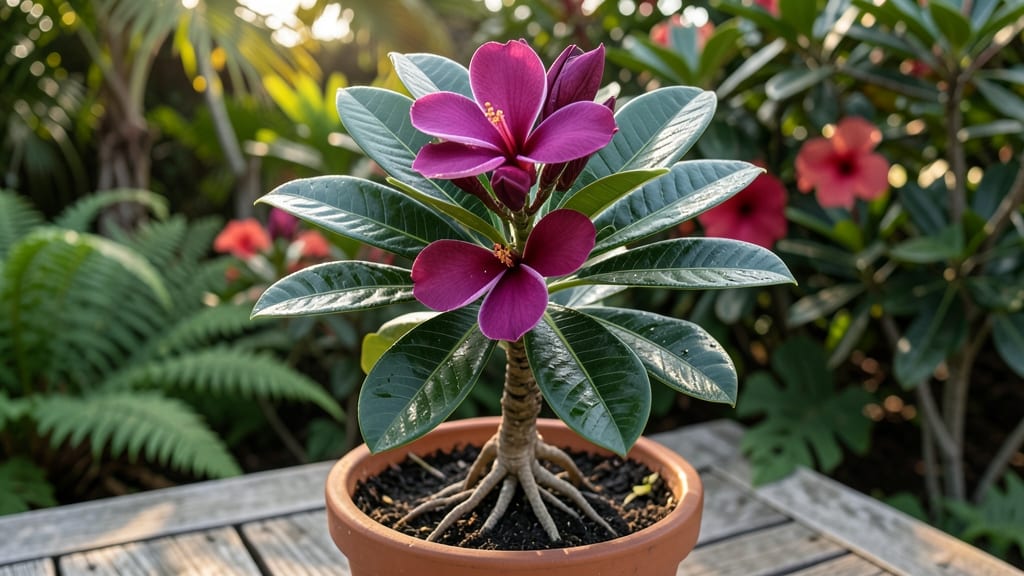
A purple plumeria flower 🌺 brings tropical luxury to your garden with its velvety petals and intoxicating fragrance—if you know how to coax it into blooming reliably.
Imagine a tropical paradise in your garden, where fragrant purple plumeria flowers bloom year-round, filling the air with intoxicating sweetness. These stunning blooms aren't just beautiful—they're also surprisingly easy to grow with the right care secrets.
From picking the perfect variety like 'Royal Crown Purple' to mastering sunlight needs and pruning techniques, this guide covers everything you need to keep your plumeria thriving.
Whether you're in USDA zones 10-12 or growing it as a container plant, I'll show you how to avoid common pitfalls and enjoy those show-stopping blooms all season long.
Ready to transform your space with fragrant purple plumeria? Let's dive into the care secrets that make the difference between a struggling plant and a year-round flowering star.
Best purple plumeria flower varieties for fragrance and color intensity
When selecting purple plumeria flowers for your garden, the right variety makes all the difference. These stunning blooms come in shades ranging from deep magenta to soft lavender, each with its own fragrance intensity and seasonal performance.
Whether you're aiming for year-round blooms or dramatic color contrasts, choosing the perfect cultivar ensures your garden becomes a fragrant oasis.
The Royal Crown Purple stands out as a top choice for gardeners seeking bold color intensity. This variety features deep magenta blooms with a rich, sweet fragrance that fills the air.
Its large, waxy flowers make it a showstopper in any landscape, especially when planted near seating areas where you can enjoy the intoxicating scent up close.
For those who prefer a softer hue, the Lavender Swirl variety offers a delicate lavender-pink blend with swirling patterns. This cultivar is prized for its gentle fragrance and extended blooming season, making it perfect for container gardens or as a focal point in mixed borders.
Its lighter color also pairs beautifully with other tropical flowers like hibiscus and birds of paradise.
Here’s how these top purple plumeria varieties compare in key areas:
| Variety | Color Description | Fragrance Strength | Bloom Size | Seasonal Performance |
|---|---|---|---|---|
| Royal Crown Purple | Deep magenta with dark centers | Strong, sweet, intoxicating | Large (5-6 inches) | Year-round in warm zones; spring-fall in cooler zones |
| Maui Queen | Rich purple with creamy yellow throats | Moderate, floral, honey-like | Medium (4-5 inches) | Summer-fall peak; light spring blooms |
| Lavender Swirl | Soft lavender with pink swirls | Light, delicate, fresh | Medium (3-4 inches) | Spring-summer; sporadic fall blooms |
The Maui Queen variety offers a striking contrast with its rich purple blooms and creamy yellow centers. This cultivar is known for its moderate fragrance, which carries a honey-like sweetness that’s perfect for cut flowers or garden arrangements.
Its summer-fall blooming peak makes it ideal for extending your garden’s color palette during the warmer months.
If you're looking for a versatile purple plumeria that thrives in container gardens, the Lavender Swirl is an excellent choice. Its delicate fragrance and softer color make it a great companion for other pastel-colored flowers.
This variety also adapts well to cooler climates when grown in containers, allowing you to bring it indoors during winter months.
For maximum fragrance impact, I recommend planting Royal Crown Purple near patios or walkways. The intoxicating scent will create a sensory experience as you pass by. Pair it with citrus-scented plants like lemon verbena or jasmine to enhance the tropical ambiance.
In USDA zones 9-11, these varieties can bloom year-round with proper care.
When selecting your purple plumeria flowers, consider your garden’s color scheme and fragrance preferences. The deep magenta hues of Royal Crown Purple create a dramatic focal point, while the lavender swirls of the Lavender Swirl add a softer, more romantic touch.
For a balanced approach, mix these varieties in your landscape to enjoy a continuous display of color and scent throughout the growing season.
Remember, purple plumeria flowers thrive in full sun and well-draining soil. Regular pruning encourages bushier growth and more abundant blooms. With the right variety and care, your garden will become a fragrant haven that attracts pollinators and delights the senses.
🌺
Step-by-step purple plumeria care guide for year-round blooming
Your purple plumeria flower can thrive and bloom continuously with the right care routine. These tropical beauties love warmth, bright light, and just the right amount of moisture. The secret to year-round blooms lies in mimicking their natural tropical habitat while adapting to your local climate.
First, let's address the sunlight needs—this is non-negotiable for plumeria. Without proper light exposure, your plant will struggle to produce those stunning purple blooms. I’ve found that even in cooler months, maintaining 6+ hours of direct sunlight keeps my plumeria happy and flowering.
Step-by-Step Purple Plumeria Care Routine
- 🌞 Sunlight Exposure: Place your plumeria in full sun (6+ hours daily). Use a south-facing window if growing indoors or move containers to maximize light during shorter winter days.
- 💧 Watering Schedule: Water deeply once a week in containers or every 10-14 days in-ground. Let the top 2 inches of soil dry between waterings—overwatering is the #1 killer of plumeria.
- 🌱 Soil Preparation: Use a well-draining cactus/succulent mix with perlite or sand. Test soil pH (6.0-7.5)—purple plumeria thrive in slightly acidic to neutral soil.
- 🌿 Fertilizing: Feed with a 7-9-5 NPK bloom booster every 4-6 weeks during spring and fall. Reduce feeding in summer to avoid leaf burn.
- ✂️ Pruning for Blooms: Prune dead or leggy branches in late winter. Cut just above a leaf node to encourage new growth and more purple blooms.
- 🌡️ Winter Care: Move container plants indoors if temps drop below 40°F. Place near a bright window and reduce watering to monthly.
- 🐛 Pest Control: Inspect leaves weekly for mealybugs or scale. Spray with neem oil if pests appear—prevention is key!
Let’s talk about soil pH next—this often-overlooked factor can make or break your plumeria’s health. I’ve tested my soil multiple times and found that keeping it between 6.0 and 7.5 ensures vibrant purple blooms.
If your soil is too alkaline, amend it with sulfur or peat moss to adjust the pH gradually.
When it comes to watering techniques, plumeria are surprisingly drought-tolerant once established. The key is to water deeply but infrequently. I water my container plumeria until water drains completely from the bottom, then wait until the top 2 inches of soil are dry before watering again.
This mimics their natural tropical downpours followed by dry spells.
Don’t forget about seasonal pruning—this is how you encourage those lush, continuous blooms. I prune my plumeria in late winter, just as new growth begins to appear. Cutting back 1/3 of the plant’s height stimulates fresh, vigorous growth and more purple flower buds throughout the year.
With these care steps, your purple plumeria flower will reward you with fragrant blooms from spring through fall—and even indoors during winter. The secret is consistency: sunlight, balanced watering, and proper pruning are your best friends for year-round beauty. 🌺