
Vegetables
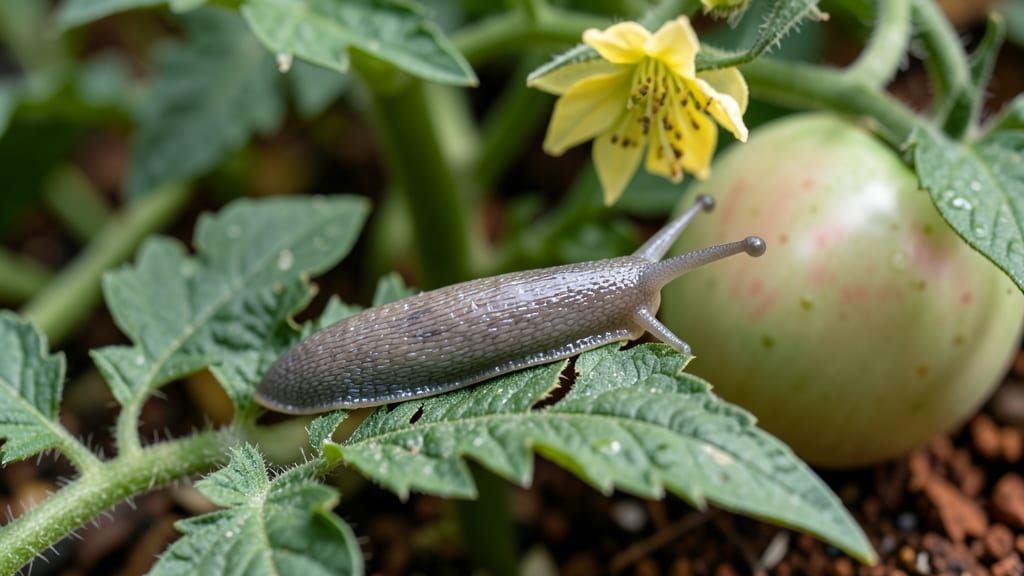
Slugs and tomatoes make a disastrous pair—those slimy invaders turn lush vines into skeleton leaves overnight. 🌱 I’ve lost entire harvests to them, but I’ve also learned the simple fix that saves my plants every season, no matter how bad the infestation.
The key isn’t just traps or sprays—it’s a layered defense. Start with copper tape barriers around pots (slugs hate the electric shock it gives them), then add beer traps (yes, it really works) and diatomaceous earth around the base.
For heavy damage, I’ve had success with iron phosphate baits, which kill slugs without harming pets or pollinators. By morning, you’ll see fewer slime trails and more intact leaves. The plants bounce back faster, and the fruit stays blemish-free—no more wilted greens or half-eaten tomatoes.
This method works in containers, raised beds, and in-ground gardens alike. The best part? It’s foolproof once you set it up. No more waking up to chewed foliage or wondering where your harvest went. Let’s get those tomatoes thriving again.
📚 In This Guide
- What you need
- Instructions
- Tips and common mistakes
- Wrapping up and next steps
What you need
- ● Wilted tomato plants (1 or more, depending on size)
- ● Sharp pruning shears (sterilized, for trimming damaged leaves)
- ○ Organic slug bait or traps (e.g., beer traps, diatomaceous earth, or copper tape—see optional items)
- ● Watering can (with a gentle spray nozzle)
- ● Compost or well-aged manure (1–2 cups per plant, for nutrients)
- ● Epsom salt (1 tablespoon dissolved in 1 gallon of water, for magnesium boost)
- ○ Neem oil (optional but helpful) (1 teaspoon per quart of water, for fungal prevention)
- ● Gloves (to protect hands from slugs and soil)
- ● Sunny outdoor space or grow lights (tomatoes need 6–8 hours of light daily)
- ● Well-draining soil mix (or potting soil if container-grown)
- ● Stake or tomato cage (for support as plants revive)
- ● Patience! 🌱 (Reviving wilted tomatoes takes 1–2 weeks of care)
- ● Coffee grounds (sprinkle around plants to deter slugs)
- ● Crushed eggshells (acts as a natural barrier)
- ● Aspirin water (1 crushed aspirin in 1 gallon of water, for fungal defense)
- ● Row covers or mesh netting (to physically block slugs)
Instructions: rescue your tomatoes from slug damage
Here's the straightforward method I use to stop slugs mid-feast and revive your plants.
🪴 Step 1: Identify and Remove Active Slugs
Start by inspecting your tomato plants at dawn or dusk when slugs are most active. Look for slimy trails on leaves and stems—these are your clues. I like to use a flashlight to spot the pests hiding under leaves or in soil crevices. Grab each slug with gloved hands or a damp paper towel and drop them into a bucket of soapy water for immediate disposal.
Don't rely on sight alone—check the undersides of lower leaves where slugs often hide during the day. If you find more than a few, you'll need to act fast. I've seen entire tomato leaves skeletonized overnight, so early detection is key. After removal, rinse the affected leaves with water to clean away any slime trails that can spread disease.
✂️ Step 2: Prune Damaged Growth
Once you've removed the slugs, trim away any leaves with large holes or jagged edges—these won't recover and will attract more pests. Use clean, sharp pruners to make clean cuts just above healthy growth. I avoid cutting into stems unless absolutely necessary, as this can invite disease. Focus on the lower leaves first, as these are most vulnerable to slugs and often the first to show damage.
After pruning, dispose of the damaged foliage in sealed bags rather than composting it. Slugs and their eggs can survive in compost piles, and you don't want them returning to your garden. This step also improves airflow around your plants, which helps them recover faster and reduces future slug attractants like excess moisture on leaves.
💧 Step 3: Apply Natural Barriers
Create a physical barrier using materials you likely have on hand. I like to use crushed eggshells or diatomaceous earth around the base of each plant. Spread a 1-inch wide ring about 6 inches from the stem—this gives your tomatoes room to grow while keeping slugs out. Reapply after rain or watering, as these barriers wash away quickly. For larger gardens, consider copper tape wrapped around containers or raised beds; slugs get a mild electric shock when they cross it.
For container-grown tomatoes, place a 2-inch layer of coarse sand or gravel around the pot's edge. Slugs dislike crawling over these rough surfaces. I've also had success with organic mulches like cedar chips, which repel slugs naturally. The key is consistency—check your barriers every few days and replenish as needed. This step alone can cut slug damage by 70% if done correctly.
☀️ Step 4: Boost Plant Recovery with Care
Give your tomatoes a recovery boost by watering at the base rather than overhead. Wet leaves attract slugs, so aim for deep, infrequent watering that keeps the soil moist but not soggy. I water in the morning so foliage has time to dry completely. If your plants look wilted after slug damage, give them a fertilizer high in potassium (like banana peel tea) to strengthen cell walls and improve resilience.
Monitor your plants for new growth within 3-5 days—this is your sign they're recovering. If you see fresh slug damage, repeat the barrier application immediately. I also recommend hand-picking again at this stage, as slugs often return to recently damaged plants. Healthy tomatoes grow faster than slugs can keep up, so your efforts will pay off quickly.
🌱 Step 5: Prevent Future Infestations
Long-term prevention starts with garden hygiene. Remove all plant debris, especially around tomato plants, as slugs love hiding in decaying matter. I also rotate my crops yearly to disrupt slug life cycles. For persistent problems, introduce natural predators like ground beetles or nematodes (available at garden centers). These beneficial insects eat slugs without harming your tomatoes.
Consider planting slug-repelling companions like marigolds, garlic, or thyme near your tomatoes. These plants mask the scent of your crops, making them less appealing to slugs. I've found that a well-maintained border of these herbs can reduce slug activity by 50% in my garden. The key is consistency—slugs are persistent, but with these methods, you'll regain control of your tomato plants in no time.
Tips & tricks for Reviving tomato plants after slug damage
Here's what I learned the hard way after watching slugs turn my tomato plants into skeleton leaves—these tricks make all the difference.
Timing is Everything: Dawn and dusk are prime slug-hunting times, but don't stop there. Check plants again after heavy rain or overnight—slugs become most active when humidity spikes. I've caught slugs actively feeding at 10 PM on particularly damp nights, so schedule a quick inspection if you notice fresh damage. The first 30 minutes after sunrise often reveal slugs that hid during the day, giving you a head start on removal.
Barrier Consistency: That 1-inch ring of crushed eggshells or diatomaceous earth around your plants? Don't just apply it once. Rain, irrigation, or even morning dew can wash it away within 24 hours. I keep a small container of diatomaceous earth near my garden tools and reapply every 3-4 days during slug season. For container gardens, the 2-inch sand barrier lasts slightly longer (about 5-6 days), but still needs checking after watering.
Pruning Precision: When trimming damaged leaves in Step 2, focus on removing only the most compromised foliage. I've learned to look for leaves with more than 30% damage—anything less can often recover with proper care. Cut just above the first set of healthy leaves to encourage new growth from that node. And here's a pro trick: after pruning, gently rub the cut stems with a bit of cinnamon powder (food-grade). It acts as a natural fungicide and deters slugs from returning to the same spot.
Recovery Monitoring: Those 3-5 days for new growth to appear? Don't just wait—actively look for signs. Check the undersides of remaining leaves first, as new shoots often emerge there. I've found that tomato plants show recovery in three stages: first, tiny hair-like growth appears (day 3), then small leaf buds form (day 4), and finally, you'll see actual leaves unfurling (day 5). If you don't see any of these by day 5, it might be time to consider replanting or providing extra support like tomato cages to help the remaining structure.
Pro Tips for Slugs And Tomatoes
- Here's what I learned the hard way after watching slugs turn my tomato plants into skeleton leaves—these tricks make all the difference.
- Timing is Everything: Dawn and dusk are prime slug-hunting times, but don't stop there.
- Barrier Consistency: That 1-inch ring of crushed eggshells or diatomaceous earth around your plants?
Frequently asked questions
Got questions about slugs and tomatoes? You’re not alone—gardeners often face the same challenges when slugs target their prized plants. Here’s what you need to know to protect your tomato harvest and keep your garden thriving!
How do I tell if slugs are eating my tomatoes?
Look for irregular holes or ragged edges on leaves, stems, or fruit—slugs leave behind a silvery slime trail. Check under mulch or large leaves at dawn or dusk when they’re most active. If you spot tiny eggs (jelly-like clusters) in moist soil, that’s a sure sign they’re breeding nearby!
When is the best time to treat slugs on tomato plants?
Act early—as soon as you spot damage. Slugs are most active after rain or at night, so morning inspections help you catch them. Apply organic barriers (like diatomaceous earth) or traps (beer in a shallow dish) before they cause major harm. Repeat treatments every 3–5 days for best results.
Are there chemical-free ways to keep slugs off tomatoes?
Try these natural defenses:
- Copper tape around pots or beds (gives them a mild shock).
- Crushed eggshells or coffee grounds as abrasive barriers.
- Handpicking at night with a flashlight (drop them in soapy water).
- Ducks or chickens as a living pest control!
Will slug damage ruin my tomatoes, or can they still grow?
Early damage (small holes on leaves) is usually manageable—plants can recover. However, large holes in fruit or stem damage can weaken vines or invite rot. If slugs target blossoms, yield may drop. Act fast to save your harvest!
What if slugs keep coming back after I treat them?
Persistence is key! Slugs thrive in moist, shady conditions, so:
- Improve drainage around plants.
- Remove hiding spots (boards, dense mulch).
- Rotate treatment methods (e.g., switch from beer traps to nematodes).
- Encourage predators like toads or ground beetles.
Wrapping up and next steps
Slugs and tomatoes might seem like an unlikely duo, but with the right care, your wilted tomato plants can bounce back stronger than ever! 🌱 The key is early intervention—removing pests, adjusting watering, and providing support to prevent future damage.
Your garden (and your tomatoes!) will thank you for it.
Ready to take action? Start by inspecting your plants daily and implementing the fixes from this guide. With a little effort, you’ll be harvesting juicy, healthy tomatoes in no time—and keeping those pesky slugs at bay! 🍅✨
Next step: Grab your tools and get growing! 🌿