
Vegetables
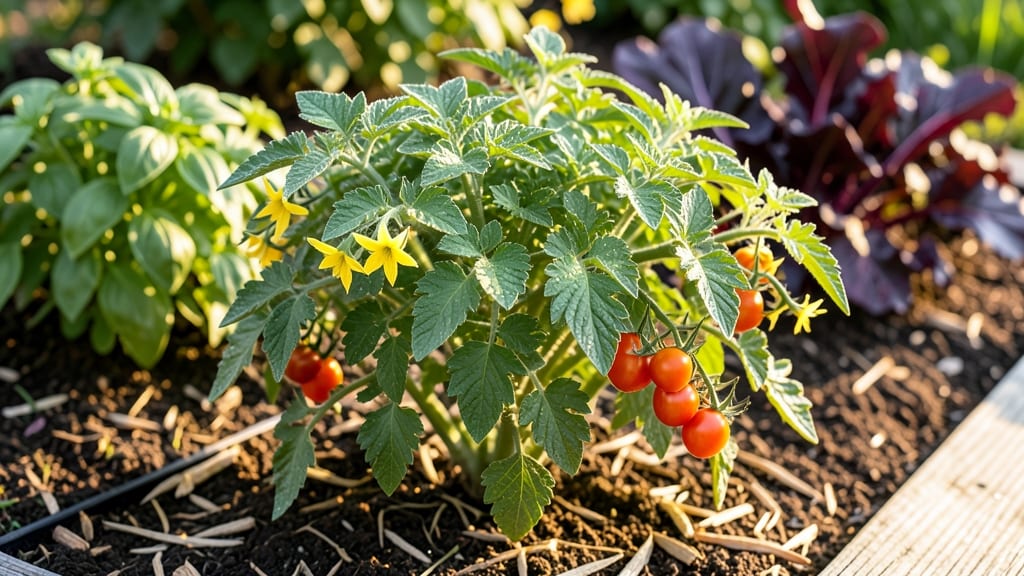
Growing sun cherry tomatoes in containers means sweet, bite-sized harvests starting just 50 days after planting—no yard required. 🌱 I learned the hard way that these tiny tomatoes thrive when treated like the high-maintenance divas they are, but with the right setup, they reward you with buckets of flavor by summer.
The secret lies in 5-gallon pots filled with lightweight potting mix (never garden soil) and a sturdy trellis to support their vines. Sun cherries need 6+ hours of sun daily, so south-facing patios or balconies are ideal.
Overwatering is their Achilles' heel—let the top inch dry between waterings to prevent cracked fruit. You’ll start seeing bright red clusters in late June, and with proper pruning (pinch suckers early), each plant can produce 500+ tomatoes by season’s end. The flavor?
A perfect balance of sweetness and tang that store-bought can’t match. Perfect for small spaces, urban gardens, or even windowsills with grow lights. Here’s how to keep them producing all season long—no green thumb required!
📚 In This Guide
- What you need
- Instructions
- Tips and common mistakes
- Wrapping up and next steps
What you need
- ● Sun cherry tomato seeds or seedlings: Choose disease-resistant varieties like 'Sweet 100' or 'Tiny Tim' (5–10 plants for a bountiful yield).
- ● Containers: 5-gallon pots or fabric grow bags (at least 12–18 inches deep) with drainage holes. Pro tip: 💡 Use lightweight materials to avoid straining your back!
- ● High-quality potting mix: A well-draining blend (e.g., 60% peat/coir, 30% perlite, 10% compost). Skip garden soil!
- ● Balanced fertilizer: 10-10-10 or organic options like fish emulsion (mix 1 tbsp per gallon of water every 2–3 weeks).
- ● Support system: Cages, stakes, or trellises (sun cherries need space to sprawl—aim for 3–4 ft tall!).
- ● Mulch: Straw or shredded leaves (1–2 inches) to retain moisture and suppress weeds.
- ● Watering can or hose with a gentle nozzle: Containers dry out fast—keep soil consistently moist (not soggy!).
- ● Slow-release fertilizer pellets: Reduce feeding frequency (follow package instructions).
- ● Self-watering system: Drip irrigation or reservoir pots for busy gardeners.
- ● Shade cloth (30–50% coverage): Protect seedlings from harsh afternoon sun in hot climates.
- ● Tomato cage clips or zip ties: Secure vines to supports without damaging stems.
- ● Compost tea or mycorrhizal fungi: Boost soil health and root growth (mix into potting soil).
Step-by-step instructions for growing sun cherry tomatoes in containers
Here’s how to grow these sweet, bite-sized tomatoes in pots—no garden required.
🪴 Step 1: Choose the Right Containers and Drainage
Sun cherry tomatoes need 5-gallon containers minimum per plant to support their vigorous growth. I use fabric grow bags because they prevent root circling and allow excess moisture to evaporate. If using traditional pots, ensure they have multiple drainage holes—root rot from poor drainage will kill your plants before they fruit.
Drill extra holes if needed, then line the bottom with 1 inch of gravel to improve drainage. Place your pots in a saucer or tray to catch runoff. The key here is airflow and drainage—sun cherries hate soggy feet. I like to add a mesh screen over the holes to keep soil from washing out while still allowing water to escape freely.
🌱 Step 2: Prepare Soil and Plant Transplants
Fill your containers with a lightweight potting mix blended with 20% perlite or vermiculite for aeration. I avoid garden soil—it compacts in containers and suffocates roots. Mix in a slow-release fertilizer (like 5-10-5) at planting time to give your tomatoes a nutrient boost without risking burn.
Plant your sun cherry transplants deeper than the root ball—burying the stem up to the first set of leaves encourages stronger root growth. Gently press the soil around the base to eliminate air pockets, then water deeply until moisture runs from the drainage holes. This ensures the roots establish quickly in their new home.
☀️ Step 3: Position for Maximum Sunlight and Support
Sun cherries thrive in full sun (6-8 hours daily) and need a sturdy cage or trellis to support their vines. I use 5-foot tomato cages because they’re tall enough to contain the sprawling growth without restricting airflow. Place your containers where they’ll get morning sun and afternoon shade if you’re in a hot climate—this prevents sunscald on the fruit.
Water consistently, aiming for 1 inch per week, but adjust based on weather. Let the top inch of soil dry out between waterings—this prevents blossom-end rot and keeps the fruit sweet. Mulch with straw or shredded leaves to retain moisture and regulate soil temperature. You’ll know you’re on track when the vines grow 2-3 inches per week and leaves stay deep green.
✂️ Step 4: Prune and Harvest for Continuous Production
Pinch off suckers (the small shoots that form in the leaf axils) to direct energy into fruit production. I prune mine weekly once the plant reaches 3 feet tall. Remove any leaves touching the soil to prevent disease. When flowers appear, hand-pollinate by gently shaking the plant—this ensures fruit sets even in indoor or low-wind conditions.
Harvest sun cherries when they’re fully colored and slightly soft to the touch—usually 50-60 days after transplanting. Pick frequently to encourage more blooms. These tomatoes are prolific, so you’ll get clusters of 20-30 fruits per plant in a good season. Store them in the fridge for up to 2 weeks or eat them fresh—they’re sweeter than larger varieties and perfect for snacking straight off the vine.
Tips & tricks for perfect sun cherry tomato growth in containers
These simple strategies will help you maximize your sun cherry tomato harvest—even in limited space.
Container Size Matters: The 5-gallon minimum container size is non-negotiable for sun cherries. These plants are vigorous and need room to grow. If you're tempted to use smaller pots, think again—root-bound plants produce fewer fruits and are more susceptible to disease. I've seen sun cherries in 3-gallon pots struggle, while the same variety thrives in 7-gallon containers. The extra space means better root development and more fruit clusters.
Soil Mix Secrets: That 20% perlite or vermiculite isn't just for aeration—it's for moisture control too. The mix should resemble a damp sponge, not wet concrete. I like to add a handful of worm castings to my potting mix for extra nutrients. This boosts early growth and fruit production without risking fertilizer burn. The key is creating that perfect balance of air, water, and nutrients that sun cherries crave.
Pruning Strategy: When you start pinching those suckers weekly at 3 feet tall, you're not just shaping the plant—you're directing all its energy into fruit production. I recommend using sharp scissors or pruning shears to make clean cuts. This prevents tearing and minimizes stress on the plant. The goal is to maintain an open center that allows sunlight to reach all parts of the plant, even the lower leaves.
Harvest Timing: Those 50-60 days to maturity can feel like an eternity, but patience pays off. Harvest when the tomatoes are fully colored and just beginning to soften—this ensures maximum sweetness. I've found that picking every other day actually encourages more blooms to form. The plants respond to regular harvesting by producing new flowers, leading to continuous harvests throughout the season.
Pro Tips for Sun Cherry Tomato
- These simple strategies will help you maximize your sun cherry tomato harvest—even in limited space.
- Container Size Matters: The 5-gallon minimum container size is non-negotiable for sun cherries. These plants are vigo...
- Soil Mix Secrets: That 20% perlite or vermiculite isn't just for aeration—it's for moisture control too. The mix shou...
Frequently asked questions
Got questions about growing or using sun cherry tomatoes? You’re not alone! Here are some of the most common queries—and their simple solutions.
How long does it take for sun cherry tomatoes to produce fruit?
Sun cherry tomatoes typically start flowering 6-8 weeks after transplanting (or 8-10 weeks from seed). Fruit appears 2-3 weeks after pollination, so expect your first harvest 8-12 weeks total. Patience pays off—these sweet morsels are worth the wait!
Can I grow sun cherry tomatoes in containers year-round?
Not quite! Sun cherries thrive in warm weather (60°F+) and need 6-8 hours of sunlight daily. In cold climates, grow them as annuals in spring/fall or use containers to bring them indoors before frost. A sunny windowsill or grow light can extend their season—just keep soil warm!
What’s the best way to use sun cherry tomatoes?
Sun cherries shine in raw applications—snack on them straight off the vine, toss into salads, or skewer for bruschetta. For cooking, roast or grill them to intensify sweetness (they’re tiny but mighty!). Avoid overcooking—they’re best enjoyed when their vibrant flavor is still bright!
Why aren’t my sun cherry tomatoes pollinating?
Poor pollination? Check for bees or wind—sun cherries rely on them! If indoors or in a greenhouse, gently shake plants or use a small brush to transfer pollen. Also, ensure temps stay above 55°F—cold stress can stall blooms. Patience and a little help often do the trick!
Are sun cherry tomatoes easier to grow than regular tomatoes?
Sun cherries are compact, disease-resistant, and faster-growing than heirloom varieties. They’re perfect for containers, small spaces, or beginners. Just provide consistent water, well-draining soil, and full sun, and you’ll likely outperform larger tomatoes with less fuss.
Wrapping up and next steps
Growing sun cherry tomatoes in containers is a rewarding way to enjoy sweet, bite-sized harvests without needing a sprawling garden. Their compact size, vibrant flavor, and versatility make them perfect for balconies, patios, or small spaces—plus, they’re a breeze to care for!
Whether you’re a seasoned gardener or a curious beginner, these tiny tomatoes bring big rewards with minimal effort.
Ready to dive in? Start with a container, some soil, and a sunny spot—your first harvest could be just weeks away! 🌱✨ Happy planting!