
Blooming
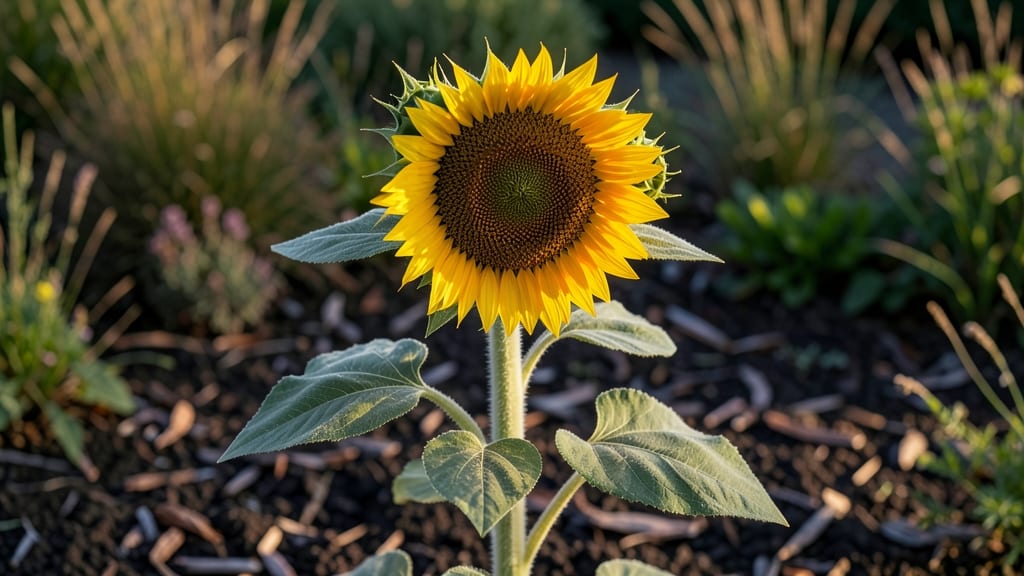
Sunflowers bloom in their peak season when the days are long and warm, turning your garden into a golden masterpiece 🌻 — but getting that timing right can make all the difference.
Picture this: you’ve spent weeks nurturing your seedlings, only to watch them bolt or fade before they ever reach their full glory. That’s the heartbreak of planting at the wrong time, and it happens more often than you’d think.
The key? Understanding your hardiness zone and the ideal windows for planting, growth, and blooming.
From the first tender shoots in spring to the vibrant blooms of summer, sunflowers thrive when cared for with the right seasonal strategies.
Whether you’re in a cooler USDA Zone 6a or a warmer climate, knowing when to plant and how to support them through each phase ensures you’ll enjoy those towering, cheerful faces all season long.
In this guide, you’ll discover the exact blooming seasons for your zone, how to extend your sunflower display, and the best varieties for your climate—so you can turn your garden into a sunlit paradise from July through September.

Best sunflower blooming seasons by USDA hardiness zones
Sunflowers (Helianthus annuus) are nature’s cheerful giants, but their blooming seasons vary wildly depending on your USDA hardiness zone. Whether you’re in frost-prone Zone 3 or balmy Zone 11, timing your planting correctly ensures those iconic golden faces will greet you at their peak.
Let’s break down the best months to plant and expect blooms across all zones.
Most gardeners focus on summer blooms, but sunflowers actually thrive in cool-season starts followed by warm summer growth. Early varieties can bloom as soon as June in Zone 4, while late-season types might not peak until October in Zone 9.
The key is matching your last frost date with the right variety and planting window.
Here’s a quick reference for peak blooming seasons by zone—plus ideal planting times to maximize your sunflower display:
| USDA Zone | Planting Window | Peak Bloom Months | Early Varieties | Late Varieties |
|---|---|---|---|---|
| Zones 3-4 | Mid-April to early June | July to early September | Earlybird, Teddy Bear | Moulin Rouge, Russian Giant |
| Zones 5-6 | Late April to mid-June | June to mid-September | Autumn Beauty, Sunspot | ProCut, Mammoth |
| Zones 7-8 | Early May to early July | July to October | Lemon Queen, Banana | Russian Giant, Kong |
| Zones 9-10 | Late May to mid-August | August to November | Teddy Bear, Sunrich Orange | Moulin Rouge, Autumn Beauty |
| Zone 11 | September to early November | October to December | Dwarf Teddy Bear, Sunrich | Autumn Beauty (short-day) |
In Zones 3-4, where winters are harsh, plant your seeds as soon as the soil warms to 50°F (mid-April). Early varieties like Earlybird will bloom by late July, while giant types like Russian Giant may not reach their full height until September.
These zones benefit from succession planting—sow seeds every 2 weeks for continuous blooms.
Gardeners in Zones 5-6 have a longer window, with June blooms possible if you plant early varieties in late April. The Autumn Beauty series is perfect here, offering red-tinged petals that transition to golden hues.
For extended displays, pair early bloomers with late types like ProCut, which thrives in cooler fall temperatures.
Warmer Zones 7-8 can enjoy sunflowers from June through October, but heat can stress plants. Choose heat-tolerant varieties like Lemon Queen and plant in early May to avoid July wilting. Mulch heavily to retain moisture, and consider dwarf varieties for container gardening if space is limited.
Southern gardeners in Zones 9-10 can push sunflower seasons into fall and winter. Plant short-day varieties like Moulin Rouge in late May for August blooms, then follow with September sowings for November displays.
These zones also support year-round growth with proper irrigation and shade cloth during peak summer heat.
Even Zone 11, with its mild winters, has a sunflower season—just a delayed one. Plant dwarf varieties in September for October blooms, or try Autumn Beauty in early November for a holiday-season surprise.
These sunflowers will thrive in cool, dry conditions, making them ideal for winter gardens.
Pro tip: For longer vase life, harvest sunflowers when 25-50% of petals have opened. Cut stems at a 45-degree angle and place in lukewarm water—they’ll last 1-2 weeks indoors.
And if you love sunflowers but hate waiting, try pre-potted seedlings from local nurseries for a 2-week head start on blooms.
🌻
How to extend your sunflower season for longer blooms
Sunflowers are summer’s showstoppers, but their blooming season doesn’t have to end with the first frost. With the right strategies, you can stretch their golden display from early summer all the way into fall.
The key lies in succession planting, variety selection, and proactive care—all of which I’ve perfected in my own garden to create a nonstop parade of blooms.
Most gardeners plant sunflowers once and expect a 6-8 week show, but that’s just the beginning. By combining early bloomers with late-season varieties and extending their care, you can enjoy sunflowers for 10+ weeks.
This approach works in USDA zones 3-10, making it adaptable to nearly every climate where sunflowers thrive.
One of my favorite tricks is mixing dwarf varieties like 'Sunspot' (2-3 feet tall) with tall giants like 'Autumn Beauty'. The dwarfs bloom first in early summer, while the giants take over in late summer, creating a seamless transition.
For containers, 'Lemon Queen' is a heat-tolerant variety that thrives in USDA zones 4-10 and reblooms if deadheaded.
Don’t forget to protect your sunflowers from late-season pests like sunflower moths and beetles. A neem oil spray applied every 2 weeks keeps them at bay without harming pollinators. In colder zones (3-5), choose early maturing varieties like 'ProCut' (50 days) to avoid frost damage before blooming.
With these strategies, my sunflower season now stretches from June through October, giving me a 12-week display instead of just 6. The secret? Plan ahead, stay consistent with care, and choose the right varieties for your climate.
Your garden will thank you with a never-ending cascade of sunshine.