
Advice
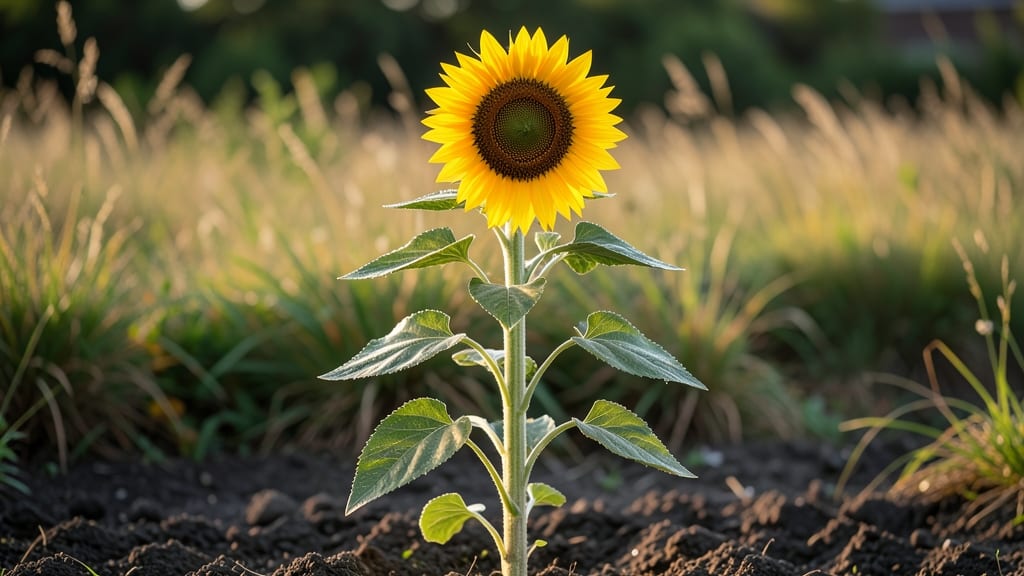
Sunflowers reach maturity in anywhere from 45 to 120 days, depending on the variety you choose—so picking the right one can make or break your garden’s golden dreams.
Picture this: you’ve spent weeks tending to your 🌻 seedlings, only to watch them bolt into seed before the blooms even open. That’s why understanding the exact timeline for your sunflower’s days to maturity is the key to planning a garden that thrives, not just survives.
From dwarf varieties that bloom in under 60 days to towering giants that take nearly four months, each type has its own schedule—and your local climate plays a huge role in when (or even if) they’ll reach their full potential.
In this guide, you’ll learn how to match your sunflower variety to your growing season, calculate the perfect planting window, and spot the signs that your plants are on track for a stunning harvest—so you can enjoy those iconic blooms without the guesswork.
Sunflower variety maturity timeline: from seeds to full blooms
Sunflowers are nature's cheerful giants, but their journey from tiny seeds to towering blooms varies dramatically by variety. Understanding these days to maturity helps you plan your garden schedule, adjust for your climate zone, and avoid disappointment when your sunflowers don't bloom on time.
Whether you're growing giant sunflowers for show or dwarf varieties for containers, timing is everything.
Most sunflower varieties fall into four main categories: giant, dwarf, oilseed, and ornamental. Each has a distinct growth timeline that affects when you'll see those iconic golden faces turning toward the sun.
For example, a Russian Giant might take 120 days to reach maturity, while a Teddy Bear sunflower could bloom in just 50 days. These differences matter when planning your garden layout or deciding when to harvest seeds.
Climate plays a huge role in sunflower maturity. In hot, dry regions like the Southwest, sunflowers often mature faster due to intense sunlight, while cooler Northern climates may see delayed blooming.
Even within the same zone, early spring plantings might face slower growth due to cooler soil temperatures, while summer plantings can bolt to maturity in record time. Always adjust your expectations based on your local last frost date and average temperatures.
Here’s a quick reference for the most popular sunflower varieties and their typical days to maturity, helping you visualize what to expect in your garden:
If you're growing giant sunflowers like the Russian Giant, expect a long wait—these beauties need 90-120 days to reach their full height of 10-16 feet. Their slow start is worth it, though, as they produce massive blooms perfect for cutting or seed harvesting.
These varieties thrive in full sun and well-drained soil, so plan your garden layout accordingly to avoid shading other plants.
For dwarf sunflowers, like the adorable Teddy Bear variety, you’ll see blooms in as little as 45-60 days. These are ideal for container gardening or adding height to flower beds without overwhelming your space.
Their shorter stature also makes them easier to maintain and harvest, perfect for beginners or small gardens. Just be sure to stake them if they get top-heavy in windy conditions.
Oilseed sunflowers, such as Hysun 33, are bred for their high oil content and typically mature in 85-100 days. These varieties are often grown by farmers but can also thrive in home gardens. They’re great for bird feeders once the seeds are dried, or you can press them for oil. Plant these in well-drained soil and space them about 18-24 inches apart to allow for their 5-8 foot height.
Ornamental sunflowers, like ProCut or Autumn Beauty, offer a mix of days to maturity (60-90 days) and stunning colors beyond the classic yellow. These are perfect for cut flower arrangements and add long-lasting beauty to your garden. Varieties like Lemon Queen bring a cheerful pop of color and often bloom later in the season, extending your garden’s display. These sunflowers also attract pollinators, making them a great addition to any eco-friendly garden.
When planning your sunflower garden, consider your local climate and planting time. In cooler regions, start seeds indoors 4-6 weeks before the last frost to give them a head start. In warmer climates, direct sow after the soil reaches 50°F (10°C) for faster germination.
Always monitor your plants for pests like sunflower moths or aphids, which can stunt growth and delay maturity.
Tracking your sunflow
How to calculate your sunflower's exact maturity date based on planting time
Predicting when your sunflowers will reach their towering, golden perfection isn't just about counting days—it's about understanding your local climate, variety specifics, and frost risks. Whether you're growing giant varieties like 'Russian Giant' or compact dwarf sunflowers like 'Teddy Bear', each takes a different path to maturity.
The key? A simple formula that accounts for your planting date, days to maturity, and last frost.
Start by checking your sunflower variety's days to maturity label—this is the number of days from sprouting to harvest. For example, 'Moulin Rouge' typically matures in 60 days, while 'Autumn Beauty' can take 120 days. But here's the catch: these numbers assume ideal conditions.
Your local frost dates and growing zone can shift that timeline dramatically. For instance, in Zone 5, you might need to adjust your planting window to avoid early autumn frosts that could cut your blooms short.
🌱 Numbered Highlights: Sunflower Maturity Formula
- Step 1: Find your last frost date (check USDA Zone maps or local weather data). For Zone 6a, this is typically April 15.
- Step 2: Subtract your sunflower's days to maturity from your first frost date. Example: 120-day variety + 165 frost-free days = plant by March 15.
- Step 3: Adjust for soil warmth. Sunflowers need 50°F+ soil. If your area warms slowly, plant 2-3 weeks later to avoid damp, cold soil.
- Step 4: Add a 10-day buffer for slow germination or unexpected weather. Example: 60-day variety → plant 70 days before frost.
- Step 5: Use this formula: (First Frost Date - Days to Maturity - Buffer Days) = Planting Window. For 'Autumn Beauty' in Zone 6a: (Oct 15 - 120 - 10 = March 25).
Let’s say you’re growing 'Russian Giant' sunflowers, which take 120 days to mature. If your first frost is October 15, you’ll need to plant by June 5 to ensure they reach maturity before the cold sets in.
But wait—what if you’re in a shorter growing season, like Zone 4? Here, you might need to opt for a faster-maturing variety, like 'Teddy Bear' (50 days), and plant as early as April 25 to avoid frost damage.
Don’t forget to account for seasonal variations. A late spring frost or an unusually warm summer can throw off your timeline. For example, if your area experiences a late frost in May, delay planting until after May 15 to avoid stunted growth.
Conversely, if you’re in a hot, dry climate, like Zone 9, you might need to plant earlier to avoid the intense summer heat that can stress sunflowers.
Once you’ve calculated your planting window, mark your harvest date on your calendar. For a 60-day variety planted on May 1, you’ll harvest around June 30.
But here’s a pro tip: harvest sunflowers when the back of the flower head turns yellowish-brown and the seed heads feel heavy. This usually happens 3-5 days before the petals fully wilt. If you miss this window, the seeds may scatter or become less viable.
Protect your sunflowers from early frosts by covering them with frost cloth if temperatures drop below 40°F. For late-season varieties, consider planting a second crop in early summer to extend your harvest.
With this formula, you’ll never guess again—just plant with confidence and watch your sunflowers reach their full, radiant potential! 🌻