
Blooming
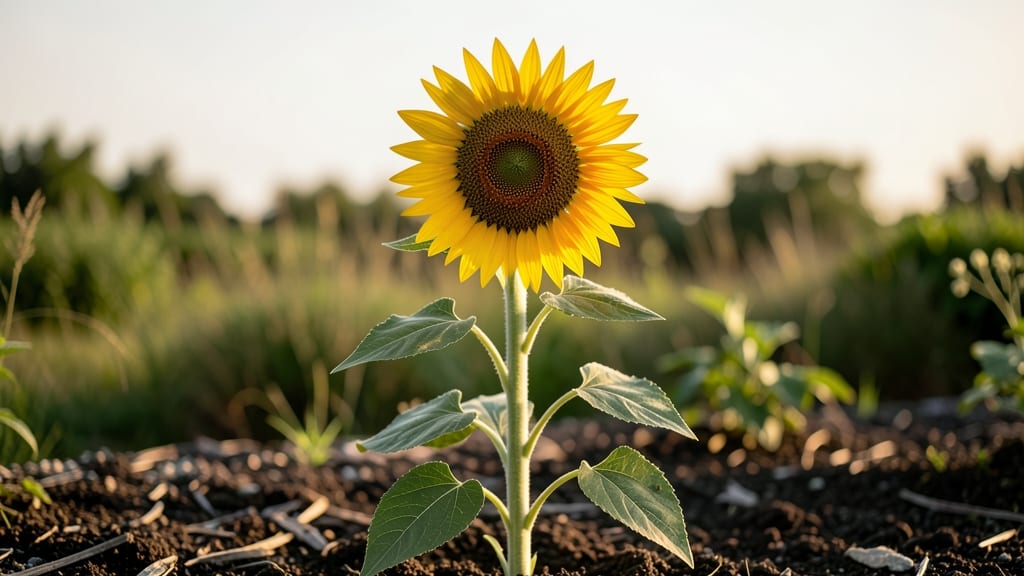
Sunflowers in Illinois bloom between mid-July and early September, with timing depending on your USDA Zone and planting window—so if you’re dreaming of towering 🌻 fields by summer, the clock starts ticking now.
Picture this: you’ve waited months for those golden faces to turn toward the sun, only to realize your Zone 5a plants are lagging behind neighbors in Zone 6b. That’s because a late frost or early heatwave can push blooms earlier or delay them by weeks.
For direct-sown seeds (the most common method), expect 60–90 days to maturity, but cooler springs in northern Illinois add extra time.
Here’s the good news: with the right variety and planting strategy, you can stretch that bloom window from July through October.
Whether you’re growing ‘Moulin Rouge’ for early color or ‘Russian Giant’ for late-season height, knowing your last frost date (around April 15) and first frost (about October 15) is the key to planning.
Below, I’ll break down the exact months for your zone, how to adjust for fall planting, and the one trick that adds 3–4 weeks of blooms—no guesswork, just golden results.
Sunflower bloom timeline in Illinois: months by variety and planting time
Illinois gardeners know timing is everything when it comes to sunflower blooms. With USDA Zones 5-6 and variable frost dates, choosing the right variety and planting window ensures vibrant displays from July through September.
Whether you're growing dwarf varieties for containers or giant sunflowers as statement plants, understanding bloom timelines helps you plan for maximum impact.
The key to success lies in matching planting time with your sunflower's maturity rate. Most annual sunflowers take 60-120 days to bloom, while perennial varieties may have staggered flowering periods.
Illinois' last frost date typically falls around April 15, giving you a 165-day growing season before the first frost in mid-October.
Here's a quick reference for Illinois gardeners:
| Variety | Type | Planting Window | Bloom Period | Height | Days to Bloom |
|---|---|---|---|---|---|
| 'Moulin Rouge' | Annual (Early) | April 15-May 15 | July-August | 3-5 ft | 55-65 days |
| 'Teddy Bear' | Annual (Dwarf) | May 1-June 1 | August-September | 1-3 ft | 60-70 days |
| 'Autumn Beauty' | Annual (Mid-Season) | April 15-May 30 | August-October | 5-8 ft | 80-90 days |
| 'Russian Giant' | Annual (Late) | May 15-June 1 | September-October | 10-16 ft | 100-120 days |
| 'Lemon Queen' | Annual (Heat-Tolerant) | May 1-June 15 | August-September | 4-6 ft | 65-75 days |
| Perennial Varieties | Perennial | Fall (Sept-Oct) or Spring (April) | July-September (staggered) | 3-8 ft | 90-120 days |
For spring planting, aim to sow seeds directly into the garden after your last frost date. Most Illinois gardeners can start direct sowing between April 15 and June 1, with earlier plantings (like 'Moulin Rouge') producing the earliest blooms.
If you want to extend your blooming season, consider succession planting every 2-3 weeks through early June.
The 'Russian Giant' variety requires the longest growing season, so plant these late-May to early June to ensure they bloom before frost. This variety thrives in Illinois' summer heat but needs consistent moisture during its 100-120 day growth cycle.
For container growing, choose dwarf varieties like 'Teddy Bear' which bloom reliably even in urban heat islands.
Illinois' variable summer weather can affect bloom times. A cool, wet summer may delay flowering by 1-2 weeks, while a hot, dry spell can accelerate bloom cycles. To combat this, maintain consistent moisture during the first 60 days of growth and use mulch to regulate soil temperature.
For perennial sunflowers, fall planting (September-October) allows roots to establish before winter, with blooms appearing the following summer.
Pro tip: Use black plastic mulch to warm soil faster in spring, giving early plantings a head start. This technique works especially well for northern Illinois gardens where spring temperatures fluctuate.
Pair your sunflowers with companion plants like cosmos or marigolds to attract pollinators and extend the visual appeal of your garden.
Remember that sunflowers love heat, so take advantage of Illinois' long, hot summers. The later you plant, the more you'll benefit from the season's warmth, but avoid planting after July 1 as blooms may not develop before frost.
With the right variety and timing, you can enjoy sunflower blooms from July through October in your Illinois garden.
How to extend sunflower blooms in Illinois: pro tips for longer seasons
Sunflowers in Illinois typically bloom between mid-July and early September, but with the right techniques, you can stretch that golden display into October or even November. The key lies in understanding your local climate—Illinois' USDA Zones 5-6 offer unique opportunities for gardeners willing to adapt their approach.
Whether you're in urban Chicago or rural Champaign, these strategies will help you maximize your sunflower season.
First, let's address the biggest limiting factor: Illinois' unpredictable late-summer weather. Sudden cold snaps or drought conditions can cut blooms short. But by implementing a few proactive measures, you can create an extended sunflower show that rivals professional displays.
The secret? Combining succession planting, optimal growing conditions, and pest prevention—all tailored to Illinois' specific growing challenges.
🌻 Extend Sunflower Blooms: Pro Tips
- 1. Succession Planting: Sow seeds every 2-3 weeks from April 15 to June 15 for staggered blooms. Use early varieties like 'Teddy Bear' (60 days) and late varieties like 'Autumn Beauty' (120 days) to create a continuous display.
- 2. Soil Prep: Amend soil with compost before planting to boost nutrient uptake. Aim for pH 6.0-7.0—Illinois' clay soils often need organic matter to improve drainage and fertility.
- 3. Watering Schedule: Deep water every 2-3 days during drought-prone July-August. Use drip irrigation to keep foliage dry and prevent powdery mildew, a common Illinois issue.
- 4. Pest Control: Protect blooms with bird netting (squirrels love sunflower seeds!) and neem oil for aphids. Prune dead blooms to encourage secondary flowering.
- 5. Container vs. Ground: Urban gardeners: Use 5-gallon containers with fast-draining mix. Rural areas: Plant in raised beds to prevent waterlogging from Illinois' heavy rains.
For urban gardeners with limited space, container planting offers flexibility but requires larger pots (minimum 12 inches deep) to accommodate deep roots. Fill containers with a 50/50 mix of potting soil and compost to replicate in-ground conditions.
In rural settings, in-ground planting allows for larger varieties like 'Russian Giant' but demands better drainage—especially in low-lying areas prone to Illinois' summer downpours.
Don't overlook the power of companion planting. Pair sunflowers with marigolds (natural pest repellent) or basil (deters thrips) to create a self-sustaining ecosystem. This not only extends bloom time but also reduces chemical interventions, which is crucial in Illinois' humid climate that fosters fungal diseases.
Finally, deadhead spent blooms regularly to redirect the plant's energy toward new flower production. In Illinois' short growing season, every extra week of blooms counts.
For late-season extensions, consider fall-planted varieties like 'Autumn Beauty'—these can tolerate light frosts and often rebloom in spring, giving you a two-season display.
With these techniques, you'll transform your Illinois garden into a sunflower paradise that blooms from July through November. The best part? These methods work for both beginners and experienced gardeners, making it easy to achieve professional-level results with minimal effort. Happy gardening! 🌻