
Light Requirements
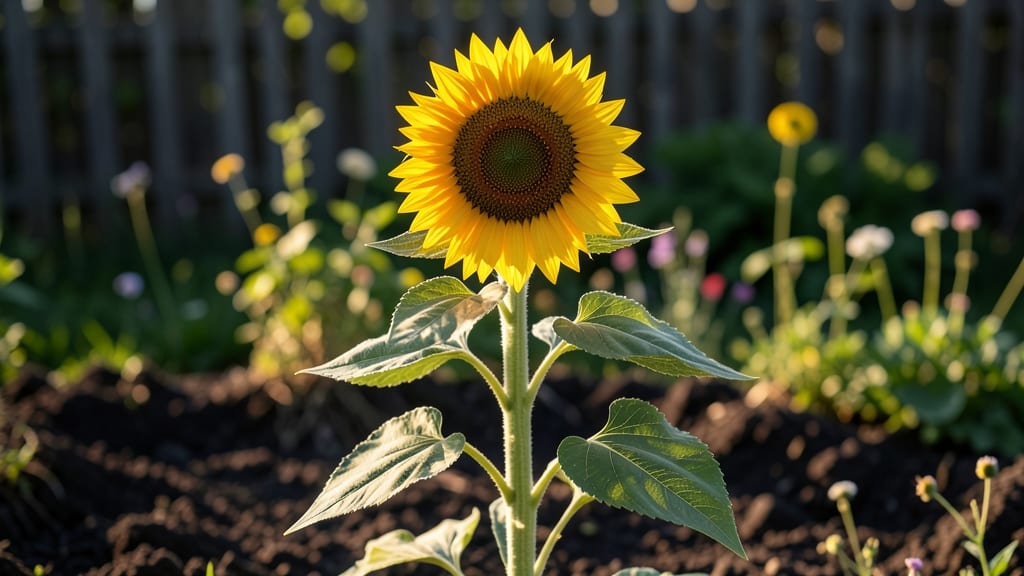
Growing sunflowers with the right light requirements is the secret to those vibrant, towering blooms you’ve always dreamed of 🌻 — and it’s easier than you think.
Sunflowers may seem low-maintenance, but their towering blooms demand precise light exposure—too little sunlight and you’ll end up with spindly stems and weak flowers. Discover the full-sun secrets that transform average sunflowers into vibrant giants.
In USDA Zone 6a, where spring planting kicks off after the last frost, sunflowers need at least 6 to 8 hours of direct sunlight daily to reach their full potential.
Without enough light, they’ll stretch toward the sky in search of rays, leaving you with leggy plants that struggle to bloom.
Below, I’ll break down exactly how much sun your sunflowers need, how to spot signs of light stress, and even which varieties thrive in slightly shadier spots—so you can grow healthy, show-stopping sunflowers no matter where you plant them.

How much sun do sunflowers need for optimal growth?
Sunflowers thrive when basking in full sun, but their light needs change dramatically from seedling to mature bloom. While they’re famous for their sun-loving nature, understanding the stage-specific requirements ensures your plants grow strong and produce those iconic golden faces.
Too little light at the wrong time can leave you with weak stems or poor flowering—so let’s break down exactly what your sunflowers need at each growth phase.
For most gardeners, the biggest question is: How do I measure "full sun"? The answer isn’t just about hours—it’s about direct sunlight intensity and seasonal adjustments. A south-facing garden spot in summer might get 10+ hours of sunlight, while the same spot in spring could offer only 6 hours.
Knowing how to track sunlight exposure ensures you place your sunflowers where they’ll flourish year-round.
| Growth Stage | Minimum Sunlight | Ideal Sunlight | Partial Shade Adjustments |
|---|---|---|---|
| Seedling (0-4 weeks) | 4-6 hours | 6-8 hours (morning sun) | Use shade cloth (30-50%) if leaves scorch |
| Vegetative (4-8 weeks) | 6-8 hours | 8-10 hours (full sun) | Rotate plants weekly for even light exposure |
| Flowering (8-12 weeks) | 8+ hours | 10-12 hours (peak sun) | Choose dwarf varieties (e.g., 'Teddy Bear') |
| Mature (12+ weeks) | 6-8 hours | 8+ hours (maintains seed quality) | Harvest seeds early to avoid moisture issues |
During the seedling stage (first 4 weeks), young sunflowers need gentle morning sunlight to prevent leaf scorch. If your garden only gets partial shade in the afternoon, use a 30% shade cloth to filter harsh rays while still providing enough light.
This stage is critical—skimp here, and you’ll end up with leggy, weak plants that struggle to support their own weight later.
Once sunflowers enter the vegetative stage (4-8 weeks), they crave full sun exposure. This is when their stems thicken and leaves expand rapidly. If you notice pale or yellowing leaves, your plants aren’t getting enough light.
At this point, rotate your sunflowers weekly to ensure even growth—especially if they’re planted in a north-facing row where light is less intense.
The flowering stage (8-12 weeks) is where sunflowers demand the most sunlight—10-12 hours daily for optimal bloom production. If your garden only offers 6-8 hours, consider growing dwarf varieties like 'Moulin Rouge' or 'Teddy Bear,' which tolerate partial shade better than giant cultivars.
Even in partial shade, position plants where they’ll get unobstructed morning sun—this maximizes energy for flower development.
For accurate sunlight measurement, use a sunlight tracker app or place a white board in your garden for a week. Mark the shadow lines at noon each day—this reveals how much direct light your spot receives.
In urban gardens with tall buildings, sunflowers may only get 4-6 hours of sun. In these cases, opt for container-growing and move pots to follow the sun’s path throughout the day.
Seasonal changes also affect sunlight exposure. In spring and fall, sunflowers can thrive with 6-8 hours of sun, but summer’s longer days provide 12+ hours of potential sunlight.
If your plants start bolting too early (shooting up quickly with few leaves), they’re likely getting too much heat stress rather than enough light. In this case, provide afternoon shade with a lightweight row cover to protect them without cutting sunlight entirely.
Signs of sunflower light stress and how to Fix them
Sunflowers stretch toward the light like eager sunbathers, but when they don’t get enough, their growth tells a clear story. Leggy stems and pale yellow leaves are classic red flags that your plants are starving for sunlight.
Even worse, they might skip flowering entirely or produce tiny, weak blooms that droop before reaching their full potential. These signs aren’t just cosmetic—they signal your sunflowers are struggling to photosynthesize efficiently, which directly impacts their energy, height, and bloom quality.
If you’ve noticed your sunflowers leaning dramatically or their leaves stretching upward like they’re reaching for a distant light source, you’re likely dealing with light deprivation. This happens most commonly in crowded gardens, urban containers, or shaded corners where taller plants block sunlight.
Even just 4-5 hours of partial shade can trigger these symptoms, especially during the critical vegetative growth stage when plants need maximum energy to build strong stems and leaves.
Sunflowers require 6-8+ hours of direct sunlight daily. Anything less leads to:
- Leggy stems (plants stretch toward light)
- Pale, thin leaves (chlorosis from poor photosynthesis)
- Delayed or no blooming (energy diverted to stem growth)
- Weak, floppy flower heads (structural collapse)
To diagnose the issue, check your sunflowers’ leaf color and stem thickness. Healthy sunflowers have deep green leaves and thick, sturdy stems. If yours look more like bleached paper or spaghetti noodles, it’s time to act.
Start by moving your plants to a sunnier spot—even just a few feet can make a difference. If you’re growing in containers, place them on a south-facing windowsill or use a reflective surface (like white paint or aluminum foil) to bounce extra light onto the plants.
For gardeners with space constraints, companion planting can be a game-changer. Tall sunflowers cast deep shade, so interplant them with low-growing companions like marigolds or basil that thrive in their dappled light. Alternatively, prune nearby trees or shrubs to allow more sunlight to reach your sunflowers.
Even thinning out overcrowded rows can double the light exposure for remaining plants, leading to thicker stems and larger blooms within weeks.
If your sunflowers are already severely leggy, you can still salvage them by pinching back the top growth to encourage bushier, stronger side shoots. This trick forces the plant to redirect energy into lateral branches instead of one elongated stem.
Pair this with a balanced fertilizer (like 10-10-10) to give them a nutrient boost and help them recover faster. Just remember: prevention is key—plant sunflowers in the sunniest spot in your garden from day one to avoid these issues entirely.
With the right adjustments, your sunflowers can bounce back surprisingly fast. Within 7-10 days of improved light conditions, you’ll start seeing darker green leaves and thicker stems. And once they’re back in full sun, they’ll reward you with bold, vibrant blooms that turn heads all summer long.
Don’t let light stress steal your sunflowers’ glory—give them the sunshine they crave! ☀️🌻