
Planting
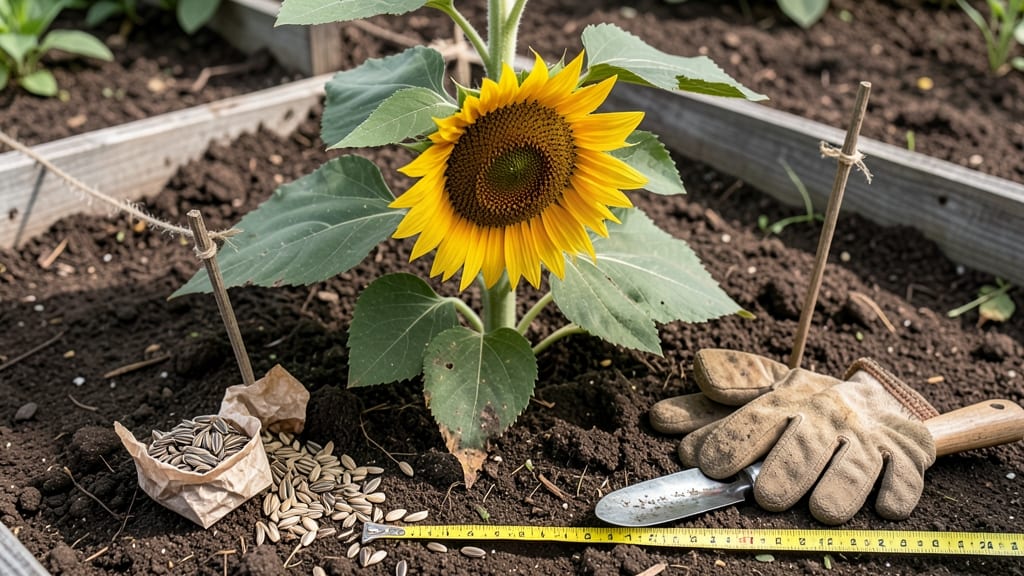
Proper sunflower seed spacing is the foundation of a garden full of towering, healthy 🌻 plants with vibrant blooms.
If you've ever watched your sunflowers lean like drunken giants or produce puny flowers, you know spacing makes all the difference. Too close, and they compete for sunlight and nutrients; too far apart, and you waste space. The right distance ensures strong stems, maximum airflow, and the biggest blooms possible.
In this guide, I’ll walk you through the exact spacing rules for your sunflower variety—whether you’re growing giants, dwarfs, or standard types—plus how to arrange them in rows for the best airflow and sunlight.
You’ll also learn the three most common spacing mistakes and how to fix them, so your sunflowers stand tall and proud all season long.
Optimal sunflower seed spacing by variety for maximum growth
Sunflowers are nature's showstoppers, but their towering stems and bold blooms need the right spacing to shine. Crowding leads to weak stems, small flowers, and even disease risks. Each variety—whether giant, dwarf, or standard—has unique spacing needs to thrive.
I’ve grown sunflowers for years, and these proven row techniques will help you avoid common pitfalls while maximizing your harvest.
Proper spacing isn’t just about aesthetics—it’s about airflow, sunlight access, and root competition. Giant varieties like Mammoth or Russian Giant need room to stretch their 12-foot stems, while dwarf types like Teddy Bear can handle closer spacing.
Ignoring these guidelines often results in leaning stems or stunted growth, which is a shame for such dramatic plants.
For giant sunflowers, spacing seeds 18–24 inches apart in rows 3–4 feet apart prevents stems from competing for nutrients. This gives them room to develop the thick, sturdy stems needed to support their heavy flower heads.
I once grew Russian Giants too close together, and they all leaned toward the sun—what a disappointment!
Standard varieties like Autumn Beauty strike a balance. Plant them 12–18 inches apart in rows 2–3 feet apart to ensure even sunlight exposure and good airflow.
This spacing also makes harvesting seeds easier later in the season. If you’re growing sunflowers for cut flowers, this arrangement works beautifully for bouquets.
Dwarf sunflowers are perfect for containers or small gardens. Space them 6–12 inches apart in rows 1–2 feet apart to avoid overcrowding. These varieties are low-maintenance and disease-resistant, making them ideal for beginners. My Teddy Bear sunflowers in pots thrived with this spacing, producing cheerful blooms all summer long.
Semi-dwarf varieties offer a middle ground. With 12–16 inches between plants and 2 feet between rows, they’re great for cut-and-come-again harvesting. This means you can cut the flowers, and new ones will grow in their place. It’s a cost-effective way to enjoy sunflowers all season without replanting.
One critical tip: Always plant seeds 1 inch deep and thin seedlings to the recommended spacing once they’re 2–3 inches tall. Thinning might seem harsh, but it prevents root competition and ensures each plant gets the resources it needs.
I’ve seen gardens where overcrowding led to tiny, deformed blooms—not the sunflowers we dream of!
If you’re growing sunflowers in containers, choose dwarf varieties and use 5-gallon pots for each plant. This mimics the root space they’d have in the ground.
For raised beds, follow the same spacing guidelines as in-ground planting. Just ensure the bed is at least 12 inches deep to accommodate deep roots.
Finally, consider your garden layout. If you’re planting sunflowers near taller crops like corn or tomatoes, place them on the north side to avoid shading. Sunflowers are heliotropic, meaning they follow the sun, so proper spacing ensures they grow straight and strong rather than leaning.
With these spacing guidelines, your sunflowers will reach their full potential—tall stems, vibrant blooms, and abundant seeds. Happy planting! 🌻
How to space sunflower seeds for full sun exposure and airflow
Sunflowers thrive when they bask in full sun exposure and enjoy unrestricted airflow. Poor spacing leads to weak stems, crowded blooms, and disease-prone plants.
The key to maximizing sunlight penetration and airflow lies in how you arrange your seeds—whether in traditional rows, square-foot blocks, or hill configurations. Each method offers unique benefits for your garden layout and sunflower variety.
When planting sunflowers, consider the mature plant size and your garden’s sunlight patterns. Tall varieties like 'Mammoth' need extra space to avoid shading weaker neighbors, while dwarf varieties like 'Teddy Bear' can handle closer spacing.
Proper spacing also reduces competition for nutrients and water, ensuring each plant gets the resources it needs to grow straight and strong.
🌻 Key Spacing Tips for Sunflowers
- 📏 Plant seeds 1 inch deep and 6-12 inches apart (depending on variety). Giant sunflowers need 12+ inches between plants.
- 🌞 Space rows 2-3 feet apart to ensure full sunlight penetration to the center of the bed. Taller varieties may need 3-4 feet between rows.
- 🌬️ Avoid overcrowding—sunflowers need airflow to prevent fungal diseases like powdery mildew. Thin seedlings to maintain spacing.
- 🌱 Use hill planting for dwarf varieties (3-4 seeds per hill, spaced 18 inches apart). Hills improve drainage and airflow at the base.
- ☀️ Plant in north-south rows to minimize shading. This ensures all plants receive equal sunlight exposure throughout the day.
For gardens with limited space, consider square-foot gardening. In a 1-square-foot grid, you can fit 4 dwarf sunflower plants (spaced 6 inches apart) or 1 giant sunflower with ample room to grow.
This method maximizes yield in small areas while still allowing airflow. Just be sure to rotate your square-foot blocks annually to prevent soil depletion.
If you’re growing sunflowers for cut flowers or seed production, prioritize wider spacing to ensure larger blooms and heavier seed heads. Tall varieties like 'Russian Giant' benefit from 18-inch spacing between plants and 4-foot row spacing to prevent stems from bending under their own weight.
Stake taller varieties early to support their growth and maintain upright posture.
One common mistake is planting seeds too closely to save space, which leads to weak, leggy stems and smaller blooms. Always follow the recommended spacing guidelines for your specific sunflower variety.
For example, 'Autumn Beauty' (a medium-height variety) thrives with 12-inch spacing between plants and 2.5-foot row spacing, while 'Sunspot' (a dwarf variety) can be planted 6 inches apart in rows 2 feet apart.
To further enhance airflow, avoid planting sunflowers in dense clusters or near tall structures like fences or trellises that could block sunlight. Instead, create open pathways between rows for easy access and better air circulation.
This simple adjustment can drastically reduce the risk of pests and diseases while promoting healthier, more vibrant sunflowers.