
Blooming
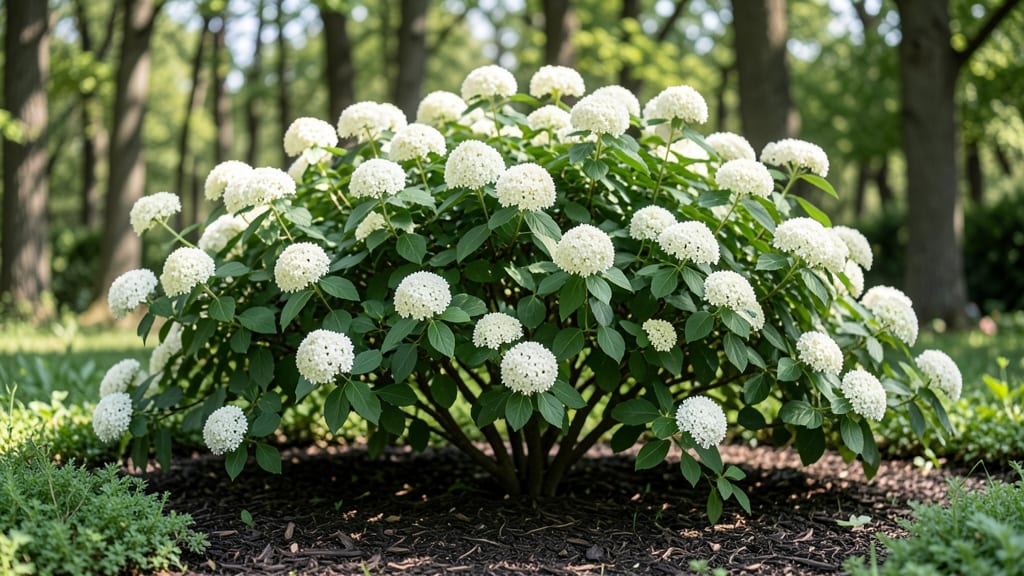
Your viburnum’s flowering time depends on the species and your hardiness zone, but most varieties burst into bloom between late spring and early summer 🌸 — with some early risers like Viburnum bodnantense lighting up winter gardens.
If you’ve ever waited patiently for those fragrant clusters only to be met with silence, you’re not alone. Timing is everything, and a few simple adjustments—like pruning at the right moment or tweaking sunlight exposure—can shift blooms from “maybe next year” to “this spring.”
In USDA Zone 6a, where viburnums thrive, the ideal planting window is April–May, but cooler zones may see blooms delayed until June. Meanwhile, milder climates can enjoy year-round interest with the right species.
Below, I’ll break down exactly when to expect flowers by variety, how to nudge your shrub into earlier blooms, and the three most common mistakes that keep viburnums from putting on their best show.
Viburnum flowering time by species: when to expect blooms
Predicting when your viburnum shrubs will bloom depends entirely on the species and variety you’ve planted. Some varieties burst into color in late winter, while others wait until mid-spring or summer.
Understanding these differences helps you plan for seasonal color and avoid disappointment when blooms don’t appear on schedule. For example, Viburnum bodnantense ‘Dawn’ is famous for its winter-to-early spring blooms, while Viburnum plicatum ‘Mariesii’ (Japanese Snowball) typically flowers in late spring.
Knowing these timelines lets you create a year-round flowering garden with minimal effort.
Climate also plays a major role in viburnum flowering time. Gardeners in USDA zones 3–5 may see blooms delayed by 2–4 weeks compared to those in zones 6–9, where milder winters encourage earlier growth.
Even within the same zone, microclimates—like a south-facing wall or urban heat islands—can shift flowering windows. For instance, a Viburnum carlesii in zone 5 might bloom in February in a sheltered spot but wait until March in an exposed area.
This variability means checking your local last frost date and adjusting expectations accordingly.
Early bloomers like Viburnum bodnantense and Viburnum farreri are prized for their winter interest and ability to brighten gardens before spring arrives. These varieties often flower on old wood, meaning they set buds the previous summer and bloom in late winter or early spring. In contrast, late bloomers such as Viburnum opulus (Cranberrybush) and Viburnum rhytidophyllum (Leatherleaf) rely on new wood and typically flower in late spring to early summer. Understanding this distinction is critical for pruning strategies, as cutting back at the wrong time can remove next year’s flower buds.
| Species | Common Name | Flowering Time | USDA Zones | Key Notes |
|---|---|---|---|---|
| Viburnum bodnantense ‘Dawn’ | Winter Jasmine | Late Jan–March | 4–8 | Fragrant, early bloomer; flowers on old wood |
| Viburnum farreri | Farreri Viburnum | Feb–April | 4–8 | Highly fragrant, thrives in partial shade |
| Viburnum plicatum ‘Mariesii’ | Japanese Snowball | May–June | 5–8 | Layered branches, late spring blooms |
| Viburnum opulus ‘Roseum’ | Snowball Bush | May–June | 3–7 | Classic rounded blooms, attracts pollinators |
| Viburnum dentatum | Arrowwood | May–June | 3–9 | Native US species, drought-tolerant |
| Viburnum burkwoodii | Burkwood Viburnum |
How hardiness zones affect Viburnum flowering timingYour viburnum shrub may bloom earlier in Zone 9 than in Zone 4, and understanding why is key to planning your garden. Hardiness zones directly impact when buds open, with colder climates often delaying flowering by 2–4 weeks. This shift isn’t just about aesthetics—it affects pollination, berry production, and even winter hardiness for next year’s blooms. In Zones 3–5, where winters are harsh, many viburnums like Viburnum opulus wait until late spring (May–June) to flower, while milder Zones 6–9 varieties such as Viburnum plicatum often burst into bloom by April. The difference? Chilling hours required for dormancy and spring warmth to trigger growth.
To advance flowering in colder zones, focus on soil prep and sun exposure. Amend heavy clay with compost to improve drainage, and avoid over-fertilizing with nitrogen, which can delay blooms. Instead, use a balanced 10-10-10 fertilizer in early spring to encourage flower buds. If your viburnum blooms too late, try selective pruning in late winter to remove old wood and stimulate new growth. For Zones 6–9, where blooms arrive early, prune immediately after flowering to maintain shape without sacrificing next year’s display. Deadheading spent blooms also redirects energy to berry production or fall foliage. Remember, microclimates matter too! A sheltered spot near a brick wall or fence can add 1–2 hardiness zones’ worth of warmth, pushing blooms earlier. Monitor your viburnum’s progress and adjust care based on local weather patterns—your shrub will thank you with longer, more vibrant blooms each season. With the right zone-specific adjustments, you can turn your viburnum into a reliable spring star, no matter where you garden. 🌸 |