
Blooming
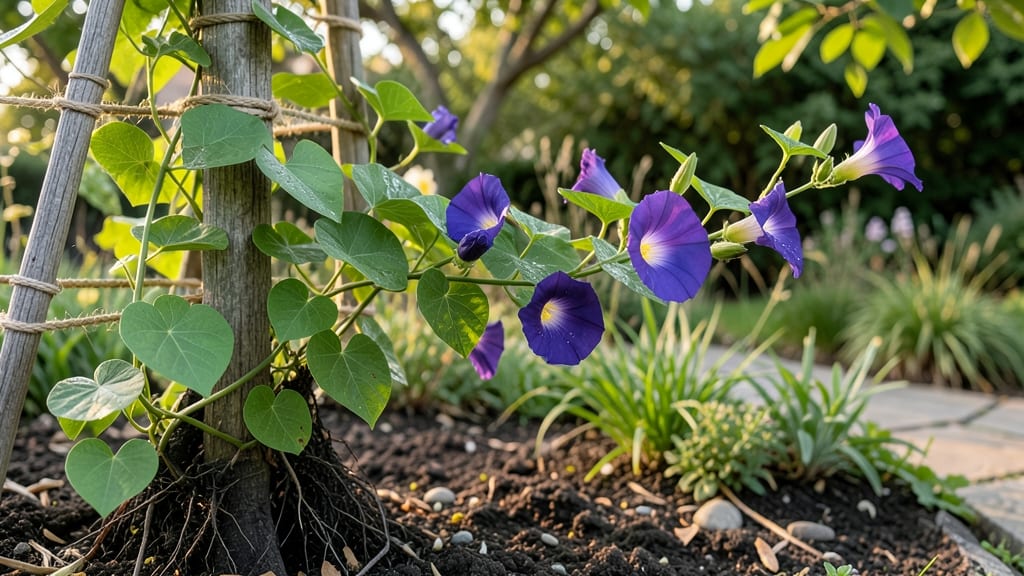
Morning glory flowers bloom between late spring and summer, a window that shifts depending on your USDA zone and the variety you’ve planted.
If you’ve ever wondered why your morning glory vines seem to produce flowers at different times each year, the answer lies in your local climate zone—and timing your planting just right can mean the difference between a breathtaking display and a disappointing wait.
In USDA Zone 6a, like much of the Midwest, expect vibrant blooms to kick off in June, peaking through July and August before tapering off by early fall.
Warmer climates in Zones 8-11 may see flowers as early as May, while cooler regions in Zones 3-5 might delay until July—if the frost doesn’t get them first.
Below, I’ll break down exactly how to predict bloom times based on your planting window, the best varieties for early or late-season color, and a few pro tips to extend that show-stopping display all summer long.
Morning glory bloom seasons by USDA climate zones: what to expect
Morning glories (Ipomoea spp.) are famous for their vibrant blooms that appear to open with the sunrise, but their bloom timing varies dramatically depending on your USDA climate zone.
In cooler zones like 3-5, expect flowers to arrive later in the season, while zones 8-11 often enjoy year-round blooms with proper care. Understanding these patterns helps you choose the right varieties and planting times for a stunning display.
Most morning glory varieties are warm-season annuals that thrive when soil temperatures exceed 60°F (15°C).
This means gardeners in northern zones must wait until late spring, while those in southern regions can plant as early as February. Frost sensitivity also plays a critical role—even a light freeze can damage tender vines and buds, delaying or halting blooms entirely.
Here’s how bloom seasons shift across the country, from the chilly Pacific Northwest to the balmy Deep South, including regional variations that can extend or shorten your flowering window.
In zones 3-5, morning glories are late-season performers, often waiting until late June or July to burst into color. This delay occurs because seeds need consistent soil warmth to germinate, and cooler springs slow growth.
Gardeners in these regions should opt for early-maturing varieties like ‘Heavenly Blue’ or ‘Flying Saucer’ to maximize bloom time before frost.
The Pacific Northwest presents a unique challenge due to its cool, damp summers. Even in zone 7, blooms may not appear until mid-July unless you use row covers to warm the soil.
In contrast, the Deep South (zones 8-11) offers a longer window—some varieties bloom from spring through fall, with minimal breaks if protected from heat stress.
For zones 6-7, the bloom season stretches from May to September, making morning glories ideal for summer container gardens or trellises. However, a late frost can kill emerging vines, so always plant after your area’s last frost date.
In the Midwest, early varieties like ‘Scarlet O’Hara’ may reward you with flowers as soon as early May, while cooler summers push blooms to July.
If you’re in zones 8-9, you can push the envelope further by planting two successive crops: one in spring (for May-July blooms) and another in early summer (for August-October displays). Cypress Vine (Ipomoea quamoclit) is a favorite here because it tolerates light shade and produces flowers even when temperatures dip slightly.
In the Southwest (zones 10-11), morning glories are year-round stars, though they may take a brief break during the hottest months (July-August). To extend blooms, provide afternoon shade and keep soil moist.
Tropical varieties like ‘Moonflower’ (Ipomoea alba) open at night and close by midday, offering a magical contrast to daytime bloomers.
Pro tip: In cooler zones, try black plastic mulch to warm the soil and jumpstart growth. In hot climates, use white mulch to reflect sunlight and prevent bolting. Both tricks can extend your bloom season by 2-4 weeks.
Regardless of your zone, morning glories reward patience with daily new blooms—each lasting just one day but replaced by another the next morning. With the right variety and timing, you can enjoy their beauty from spring to frost.
How to predict morning glory blooms based on planting time
Predicting when your morning glory flowers will bloom starts with understanding their growth cycle. Most varieties take 60-90 days from seed to first bloom, but this window shifts based on your planting date and local climate.
By mastering a few key factors—like soil temperature, sunlight exposure, and frost dates—you can align your planting schedule for a stunning summer display.
For example, if you plant morning glory seeds in late April in USDA Zone 7, you’ll likely see blooms by mid-July. However, planting the same seeds in early May could delay flowers until late August.
The difference comes down to heat accumulation and daylight hours, which directly impact vine growth and flower production.
- 1 Soil Temperature Trigger: Morning glories won’t sprout until soil reaches 60°F+. Use a soil thermometer to confirm readiness—cold soil delays germination by weeks.
- 2 Sunlight Requirement: Vines need 6+ hours of direct sun daily. Partial shade can stretch the bloom window by 2-3 weeks—prioritize south-facing trellises or fences.
- 3 Frost-Free Window: Plant 4-6 weeks before your last frost date for optimal blooms. In Zone 5, this means mid-May planting for July blooms.
- 4 Variety Matters: Ipomoea nil (annual) blooms in 60-70 days, while Ipomoea purpurea (perennial) takes 75-90 days. Check seed packets for exact timelines.
- 5 Bloom Calculation: Add 60 days to your planting date for first flowers. Example: June 1 planting = August 1 blooms. Adjust for heat waves or cool snaps.
To extend your morning glory blooms, try successive planting. Sow a second batch of seeds 4-6 weeks after the first to ensure continuous flowers from July through September.
This works especially well in warmer climates (Zones 8-11), where vines can bloom nearly year-round with minimal frost interruption.
Pro tip: Use a garden journal to track your planting dates and bloom timelines. Note local weather patterns—like unexpected rain or heatwaves—that may shift your predicted bloom window. Over time, you’ll refine your schedule for perfectly timed morning glory displays every season.
For northern gardens (Zones 3-5), opt for early-maturing varieties like ‘Heavenly Blue’ to maximize your bloom window before frost. In southern climates (Zones 9-11), you can even plant in fall for winter blooms, though growth slows in cooler months.