
Plants
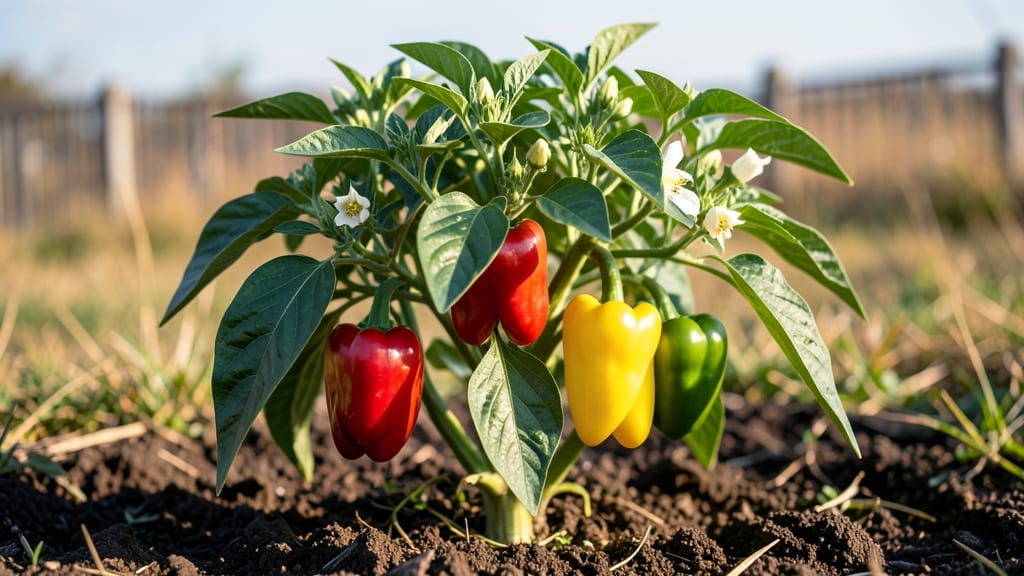
Pepper plants flower 6 to 8 weeks after transplanting—but the exact timing depends on your climate, variety, and a few key growing conditions you might be overlooking.
Picture this: You’ve nurtured your 🌶️ seedlings through frost, and now you’re eagerly waiting for those first telltale buds. But if your zone runs hot early or your soil lacks the right nutrients, those blooms could arrive late—or never.
In USDA Zone 6a, for example, most peppers start flowering in late May to early June, but bell peppers and jalapeños play by slightly different rules.
Here’s the good news: With the right spacing, sunlight, and a little extra care, you can nudge your plants to bloom 2 to 4 weeks earlier—and set yourself up for a bountiful harvest by summer.
Below, I’ll walk you through the exact timeline by zone, plus the simple tweaks that make all the difference.
Ready to turn those green stems into a pepper patch? Let’s break down the science (and the shortcuts) so you can predict—and accelerate—your 🌶️ flowering schedule with confidence.
Pepper plant flowering timeline by USDA climate zones (with key deadlines)
Pepper plants thrive on precision—especially when it comes to flowering timing. In cooler climates like USDA Zone 3, your jalapeño might not bloom until mid-July, while in Zone 11, habanero flowers can appear as early as March.
The difference? Temperature thresholds (peppers need 70°F+ consistently) and daylight hours. Let’s break it down by zone so you can set your calendar and watch those white or purple blooms appear right on schedule.
First, recognize that bell peppers and milder varieties often flower 2-4 weeks earlier than hot peppers like habaneros. This delay happens because hot peppers focus energy on heat production first.
For example, in Zone 5, bell peppers might flower in late June, while habaneros wait until early August. Pay attention to first-flowering signs: tiny buds forming at leaf junctions and a slight woody stem thickening.
Here’s the critical temperature rule: Peppers won’t flower below 55°F. If nights dip into the 40s°F, blooms will drop off, wasting your effort. In Zones 3-4, use row covers or greenhouses to extend the season.
In Zones 9-11, heat stress (above 95°F) can also stall flowering—provide afternoon shade if needed.
🌱
Now that you’ve got the month-by-month timeline, let’s talk first-flowering signs so you don’t miss them. Look for tiny white or purple buds forming at the leaf axils (where leaves meet stems). In bell peppers, these buds appear 4-6 weeks after transplanting if conditions are ideal.
For hot peppers, wait 6-8 weeks—their slower start is normal. If you see buds but no flowers, check for low humidity (peppers need 40-60% humidity to set flowers).
Pro tip: Hand-pollinate if your area has low bee activity. Gently tap flower clusters with a paintbrush or cotton swab on mild mornings. This trick boosts fruit set by 30-40% in greenhouse-grown peppers. Just avoid doing it on hot afternoons, when pollen grains degrade quickly.
Don’t overlook the soil’s role in flowering. Peppers need balanced nutrients, especially phosphorus (the P in 10-10-10 fertilizer). If your plants are leafy but flowerless, they’re nitrogen-happy.
Switch to a phosphorus-rich fertilizer (like 5-10-10) for 2-3 weeks before expected flowering. Pair this with regular pruning to remove suckers (side shoots)—this redirects energy to flower and fruit production
How to accelerate pepper flowering: 5 proven techniques for faster blooms
If your pepper plants are taking forever to flower, you’re not alone—many gardeners struggle with this stage. The good news? With the right techniques, you can speed up flowering by 2-4 weeks, giving your peppers more time to mature before fall.
The key lies in light, nutrients, and plant care adjustments that mimic ideal growing conditions.
Pepper plants typically flower 6-8 weeks after transplanting, but this varies by variety and climate. For example, jalapeños often bloom faster than bell peppers, while habaneros may take longer in cooler zones. The secret to acceleration? Optimizing their environment without overcomplicating it.
One of the biggest mistakes gardeners make is over-fertilizing with nitrogen, which promotes leafy growth at the expense of flowers. Instead, switch to a low-nitrogen, high-phosphorus fertilizer once your plants are 6 inches tall. I’ve seen jalapeño plants flower in just 4 weeks after making this switch!
Another trick? Hand-pollinate flowers by gently shaking the plant or using a small brush to transfer pollen. This ensures every bloom has a chance to develop into a pepper, especially in low-humidity climates where natural pollinators are scarce. Just tap the plant lightly in the morning when dew is present.
If your peppers still refuse to flower, check for temperature stress. Most varieties need daytime temps above 70°F (21°C) and nighttime temps above 60°F (15°C). In cooler zones, consider starting seeds indoors 8-10 weeks before the last frost to give them a head start.
With these techniques, you’ll be picking peppers in no time!