
Flowers
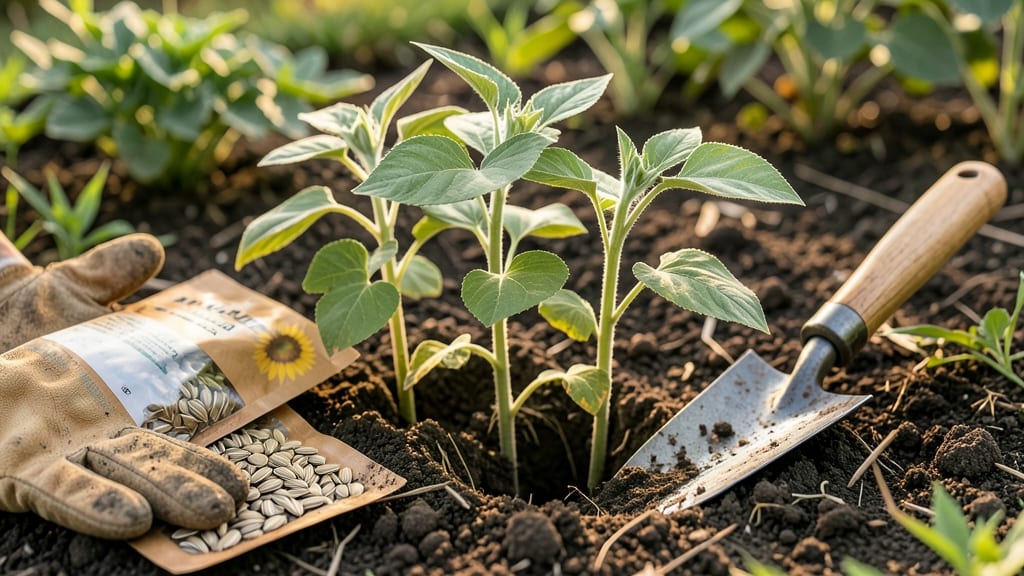
Planting sunflowers in Indiana at the right time ensures those towering 🌻 blooms reach their full potential—typically between mid-April and mid-June when soil temperatures hit 55°F+.
Indiana’s unpredictable spring weather can make sunflower planting a guessing game—but timing is everything for those towering blooms and bird-friendly seeds. Get the exact USDA Zone 5-6 planting schedule, frost-proof strategies, and soil prep secrets to ensure your sunflowers thrive from seed to stem.
Most gardeners in 5b-6b zones wait until after the last frost (April 15 on average) to plant, but early varieties can handle a light frost. The key is soil warmth, not just air temperature, so test it with a soil thermometer or wait for consistent 60°F+ days.
Below, I’ll break down the ideal planting window, how to adjust for late frosts, and which sunflower types grow best in Indiana’s climate—so you can enjoy 10-foot giants by summer.
Exact sunflower planting dates for Indiana’s USDA zones 5-6 (with frost risk charts)
Timing your sunflower seeds correctly in Indiana’s USDA Zones 5b-6b means the difference between towering 12-foot giants and stunted, weak plants.
Since Indiana’s last frost typically arrives between April 15 and May 15, planting too early risks frost damage, while waiting too long can delay those iconic bright yellow blooms you love.
The key is planting when soil temperatures hit 55°F or warmer, which usually aligns with late April to early May for most regions.
Northern Indiana (Zone 5b) tends to have a longer frost window than Southern Indiana (Zone 6b), meaning you’ll need to wait an extra week or two before planting. Microclimates—like urban heat islands or sheltered garden spots—can also shift your ideal planting date by 7-10 days.
For example, a garden near a brick wall might warm up faster than an open field, allowing earlier planting.
Here’s the frost risk comparison for Indiana’s two zones, based on 10-year averages. Use this to fine-tune your planting schedule and protect your sunflowers from late frosts that can kill young seedlings.
| Region | Last Frost Date (Avg.) | Safe Planting Window | Frost Risk After Planting | Soil Temp Threshold |
|---|---|---|---|---|
| Northern Indiana (Zone 5b) | April 22 | May 1–15 | 15% chance after May 10 | 55°F+ (consistently) |
| Southern Indiana (Zone 6b) | April 15 | April 25–May 10 | 5% chance after May 5 | 55°F+ (consistently) |
| Urban Heat Islands (e.g., Indy, Ft. Wayne) | April 10–15 | April 20–May 5 | 10% chance after May 1 | 50°F+ (sooner) |
| Rural/Cooler Microclimates (e.g., Northern Tip) | May 1 | May 15–30 | 25% chance after May 15 | 58°F+ (later) |
To avoid frost damage, use row covers or plant in protected microclimates if you’re eager to start earlier. For example, I’ve had success planting dwarf varieties like ‘Teddy Bear’ in late April under cloches, while taller varieties like ‘Mammoth’ wait until early May for full sun exposure.
Indiana’s soil temperature is just as critical as air temperature. Use a soil thermometer to confirm readings of 55°F or warmer at a depth of 2 inches.
Cold soil delays germination, so if your thermometer reads below 55°F, wait another week or use black plastic mulch to warm the soil faster. I’ve seen germination times double when planting in 45°F soil versus 55°F.
For succession planting, sow additional seeds every 2 weeks through early June to extend your harvest window. This works especially well for bird-friendly varieties like ‘Autumn Beauty,’ which produces seeds later in the season.
Just remember: late plantings may not reach full height but will still yield edible seeds for wildlife.
If you’re in Zone 5b and experience an early frost after planting, don’t panic. Sunflower seeds are hardy to 32°F, but young seedlings (under 2 inches) are vulnerable.
Use frost cloth or a lightweight blanket to shield them until they’re established. I’ve saved entire rows this way during late-May frosts in Northern Indiana.
Pro tip: Direct sow sunflower seeds instead of starting indoors—they hate transplanting and often bolt (flower too early) if disturbed. Drop seeds 1 inch deep and 6 inches apart in rows 2 feet apart for full-grown plants.
For container growing, use at least a 5-gallon pot per plant to accommodate deep roots.
Finally, keep an eye on your local weather forecasts in the days leading up to planting. A 5-day outlook predicting 30°F nights after you plant? Wait another week. Sunflowers are resilient, but frost-killed seedlings mean wasted time and resources.
With the right timing, you’ll have sunflowers blooming from July to October, providing food for pollinators and seeds for birds all season long.
How to time sunflower planting for maximum height and bloom (pro tips for Zone 5-6)
Indiana’s sunflower lovers know that timing is everything—plant too early, and you risk bolting from cold snaps; too late, and your giants may never reach their full height potential.
The key lies in balancing soil warmth, frost dates, and variety-specific needs. For Zone 5-6, aim for mid-April to mid-June, but adjust based on your microclimate.
Start with soil temperature checks—sunflowers need 55°F+ soil to germinate. Use a soil thermometer or wait until average nighttime temps stay above 45°F. In Northern Indiana, this often means holding off until late April, while Southern Indiana can start as early as mid-April.
For giant varieties like 'Mammoth' or 'Russian Giant', prioritize early planting to maximize growth.
⚠️ Common Sunflower Planting Mistakes in Indiana
- 🌱 Planting too early – Seeds rot in cold, wet soil (below 50°F). Wait for consistent warmth.
- ☀️ Ignoring sunlight – Sunflowers need 6+ hours of sun daily. Shady spots = stunted growth.
- 🌡️ Skipping soil prep – Poor drainage or compacted soil slows growth. Amend with compost.
- ⏰ Overcrowding seeds – Plant 6 inches apart for giants; 3 inches for dwarfs to avoid competition.
- 💧 Inconsistent watering – Drought stress causes bolting. Water deeply 1-2x weekly once established.
For succession planting, sow dwarf varieties like 'Teddy Bear' every 2 weeks from May to July for continuous blooms. Giant sunflowers, however, benefit from one early planting (late April) to ensure they mature before fall frosts.
Use black plastic mulch to warm soil faster in cool springs, accelerating germination by 5-7 days.
Watch for early bolting—a sign of stress from temperature fluctuations. If your sunflowers shoot up too fast with small buds, they’re reacting to cold nights.
Provide row covers or move pots indoors temporarily if frost threatens. Dwarf varieties are more forgiving for late plantings, while tall varieties need every warm day to reach their 10+ foot potential.
Pro tip: Group sunflowers by maturity. Plant early-season varieties (e.g., 'Autumn Beauty') first, followed by mid-season (e.g., 'ProCut') and late-season (e.g., 'Moulin Rouge') types. This staggered approach ensures blooms from July through October, attracting pollinators and birds all season long.
Remember, Indiana’s humidity can stress sunflowers if not managed. Space plants for airflow and avoid overhead watering to prevent fungal diseases. With the right timing and care, your sunflowers will reach their full height and burst into vibrant blooms—a true Hoosier summer spectacle. 🌻