
Planting
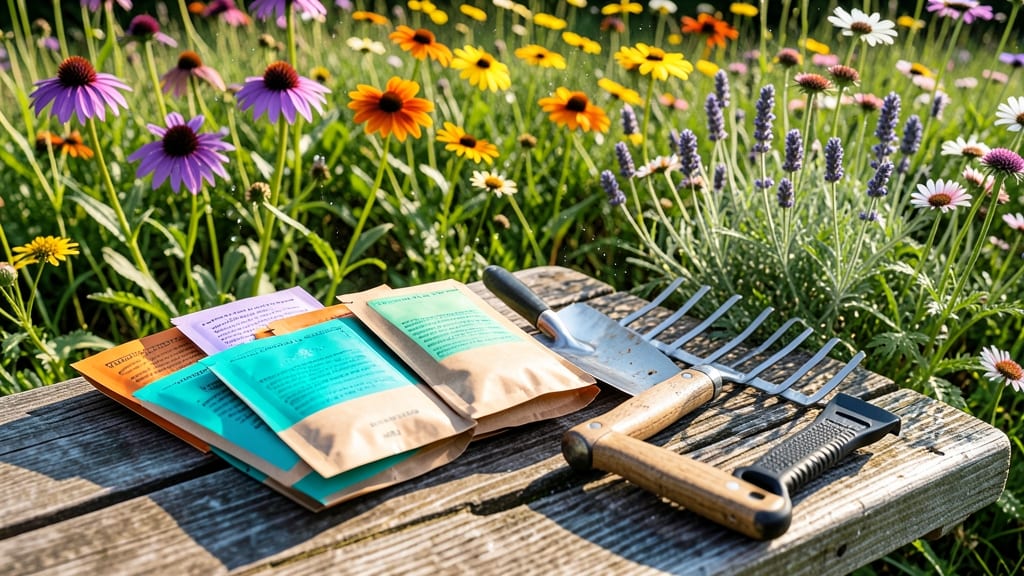
Planting wildflowers at the right time ensures vibrant blooms and thrives for local pollinators 🌼 — and the best windows are early spring or late summer.
Struggling to decide whether spring or fall is the best time? Timing isn’t just about aesthetics—it’s about creating thriving habitats for local pollinators and maximizing your garden’s success.
In USDA Zone 6a, like many temperate regions, the ideal planting window opens in early spring (March–April) or late summer (August–September). Planting too early risks frost damage, while waiting too long can reduce germination rates.
Below, I’ll break down the seasonal pros and cons, the best wildflower varieties for each window, and 5 pro tips to keep your meadow blooming for years—plus how to avoid common mistakes that waste seeds and effort.
Spring vs fall planting: which season works best for wildflowers?
Deciding when to plant wildflowers can feel overwhelming, especially when you're eager to transform your garden into a buzzing pollinator paradise. Both spring and fall offer unique advantages, but the best choice depends on your local climate, wildflower varieties, and long-term goals.
I’ve planted wildflowers in both seasons, and I’ve learned that timing directly impacts germination rates, establishment success, and even the diversity of blooms you’ll attract.
Spring planting often feels intuitive—it’s when most gardeners reach for their trowels—but fall planting can be a hidden gem for drought-prone regions and native wildflowers. The key lies in understanding how temperature fluctuations, soil moisture, and competition from weeds play into each season’s strengths.
Let’s break down the pros and cons so you can make an informed decision tailored to your garden’s needs.
🌱 Comparison Table: Spring vs Fall Planting for Wildflowers
Spring planting is ideal if you’re aiming for immediate color and want to support early-season pollinators like bees and butterflies. When you plant wildflowers in March or April, you’ll often see blooms within 6-8 weeks, depending on the variety.
However, spring comes with challenges: weed competition is fierce, and soil moisture can be inconsistent as temperatures rise. I’ve found that pre-emergent herbicides or mulching are essential to give wildflower seeds a fighting chance against aggressive weeds.
Fall planting, on the other hand, is my go-to strategy for native wildflowers and perennial species. The cooler temperatures and natural winter stratification (a process where seeds experience cold moisture) actually enhance germination rates for many species.
Plus, fall-planted seeds have less competition from weeds, giving them a head start in the spring. In USDA Zone 6a, where I garden, I’ve noticed that fall-planted black-eyed Susans and coneflowers establish deeper root systems, making them more drought-resistant once mature.
Your local climate plays a huge role in deciding the best season. In warmer climates (Zones 8-10), spring planting can be risky due to heat stress on young seedlings, while fall planting might not provide enough time for roots to establish before winter.
Conversely, in cooler climates (Zones 3-5), fall planting ensures seeds don’t sprout too early and get nipped by frost. Always check your average first frost date—aim to plant wildflowers 4-6 weeks before the first frost for optimal results.
Another factor to consider is the type of wildflowers you’re planting. Annual wildflowers, like cosmos or zinnias, thrive when planted in spring because they complete their life cycle in one season. Perennial wildflowers, such as purple coneflower or blanket flower, benefit from fall planting because they need time to develop strong root systems before their first winter.
If you
How to choose the perfect wildflower varieties for your planting season
Selecting the right wildflower varieties ensures your garden thrives year-round while supporting local pollinators. The best choices depend on your planting season, local climate, and the specific bloom times you want to attract bees, butterflies, and hummingbirds.
For spring planting, focus on hardy annuals and perennials that germinate quickly in cooler soils. These varieties often include black-eyed Susan, coreopsis, and lupine, which bloom early and provide critical food for emerging pollinators.
If you plant in fall, opt for varieties like aster and goldenrod, which establish roots before winter and burst into color early. These plants thrive in cooler temperatures and provide late-season nectar when other flowers fade.
For year-round interest, mix early bloomers like violet and dandelion with late-season favorites such as coneflower. This ensures continuous blooms and a steady food source for pollinators from spring through frost.
Always prioritize native species—they’re best adapted to your local conditions and support native pollinators most effectively. Check your USDA hardiness zone for region-specific recommendations to ensure your wildflowers thrive.
🌼