
Flowers
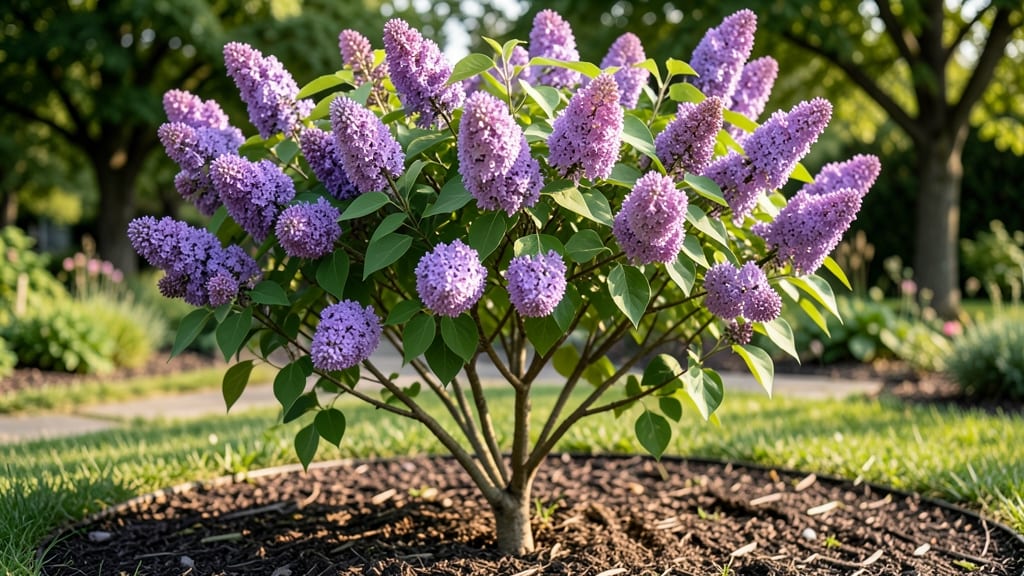
Lilacs flower in late spring, typically between May and June, when the air hums with their signature fragrance 🌸 — but the exact timing depends on your climate zone and the variety you’ve planted.
Wondering why your lilac bush hasn’t bloomed yet—or when it will burst into fragrant purple perfection? Timing is everything, and these hardy shrubs follow precise seasonal cues tied to your climate zone.
In USDA Zone 6a, where lilacs thrive, blooms usually arrive in late May, but cooler springs can push them into June. Meanwhile, southern zones might see earlier flowers, while northern gardens could wait until early summer.
Below, I’ll break down the exact months by zone, how to predict your lilac’s bloom date, and what you can do to encourage healthier, more abundant flowers every year.
Lilac flowering timeline by USDA hardiness zones
Lilacs are late spring stars, but their bloom timing shifts dramatically across USDA Zones 3-9. In colder zones like Zone 3, expect fragrant blooms as early as mid-May, while Zone 9 lilacs may wait until late April.
These differences stem from chilling requirements and regional climate patterns.
Regional variations add another layer—Pacific Northwest lilacs often bloom 2-3 weeks earlier than Midwest varieties due to cooler springs. Southern climates (Zones 8-9) may see prolonged blooming if winter chills were insufficient. Understanding your zone helps you prepare for peak fragrance and adjust care accordingly.
🌸 Early bloomers like 'Katherine Havemeyer' (purple) push buds in late April, while late bloomers such as 'Miss Canada' (white) wait until early June. Dwarf varieties typically bloom 1 week earlier than standard-sized shrubs.
Here’s your zone-by-zone blooming calendar with regional adjustments:
| USDA Zone | Early Bloomers | Peak Bloom | Late Bloomers | Regional Note |
|---|---|---|---|---|
| 3-4 | Mid-May | Late May - Early June | Mid-June | Cold springs delay blooms; expect 2-3 week later start than Zone 5 |
| 5 | Late April | Early-Mid May | Early June | Standard reference zone; most varieties bloom here |
| 6 | Early-Mid April | Late April - Early May | Mid-May | Pacific Northwest blooms 1 week earlier than Midwest |
| 7 | Late March | Early-Mid April | Early May | Southern Appalachians bloom earlier than coastal areas |
| 8-9 | Late February | March-April | Early April | May require artificial chilling for reliable blooms |
In Zone 3, where winters are harsh, lilacs often need additional winter protection to ensure strong blooms. Zone 9 gardeners may struggle with irregular blooming if winters lack sufficient chilling hours (600-800 hours below 45°F).
For these regions, consider hardier varieties like 'Dwarf Korean' or 'Bloomerang', which rebloom.
If your lilac blooms earlier than expected, it may have experienced insufficient winter chill. Conversely, late bloomers often result from early spring warmth breaking dormancy too soon. Prune after blooming to maintain this delicate balance—never cut back old wood where next year’s flowers form.
For Pacific Northwest gardeners, cooler maritime climates create ideal conditions for prolonged blooming. In contrast, Midwest lilacs often face shorter bloom windows due to hotter summers. Southern gardeners should monitor bud development closely—sometimes buds form but fail to open without proper chilling.
Pro tip: Track your lilac’s blooming history for 3 years to spot patterns. Note first bud swell, peak fragrance, and last petal drop. This helps you adjust pruning and fertilizing for future seasons.
For example, if blooms arrive 2 weeks early, reduce spring fertilizer to prevent leafy growth at the expense of flowers.
Remember, lilac blooms last only 7-10 days per flush, so timing your spring garden tours or weddings around peak bloom is key. Early varieties like 'Sybille' (pink) are perfect for late April events, while 'President Lincoln' (white) shines in early June.
For reblooming varieties, expect a second flush 6-8 weeks after the first. These Bloomerang lilacs produce two distinct bloom periods—plan your garden layout to extend your fragrance season from May through July.
🌿 Now you’re equipped to predict your lilac’s performance based on your zone—and adjust care to maximize those intoxicating blooms every year.
Climate triggers that control lilac blooming time
Lilacs are finicky about timing—literally. Their blooming schedule depends on three critical climate factors: chilling hours, daylight length, and temperature shifts. Unlike annuals, lilacs need a dormancy period (winter rest) to trigger flower buds.
Skip this step, and you’ll get disappointed bare branches in spring. I’ve seen lilacs bloom early in mild winters or delay entirely after a late frost—it’s all about these invisible cues.
Think of lilacs as nature’s thermometers. They count 500–1,000 chilling hours (temperatures between 32°F–45°F) before waking up. Too few hours? Buds stay dormant. Too many? They might bloom too early and get nipped by frost.
Sunlight also plays a role—6+ hours of full sun per day signals the plant it’s time to flower, but extreme heat (above 90°F) can stress buds before they open. Balancing these triggers is key to timing blooms right.
🌸 5 Climate Triggers That Set Lilac Bloom Time
- Chilling Hours (500–1,000): Lilacs need winter cold (32°F–45°F) to break dormancy. Fewer hours = delayed blooms; too many = early (risky) blooms.
- Daylight Length (12+ hours): Longer days in late spring trigger flower development. Shorter days can stall buds.
- Temperature Swings: Rapid warming after cold (e.g., 30°F to 60°F) kickstarts bud swell. Stable temps delay blooms.
- Frost Timing: Late frosts (after buds swell) can kill flowers. Early frosts (before buds form) are less damaging.
- Soil Moisture: Drought stress in winter can reduce chilling effectiveness, while soggy soil in spring delays blooms.
If your lilacs bloom too early, they’re likely getting enough chilling hours but not enough daylight. To adjust, prune after flowering to reduce next year’s buds. For late bloomers, ensure they’re in full sun and mulch heavily in winter to protect roots from temperature swings.
I once had a lilac bloom in February after a warm winter—it was stunning but short-lived!
Heatwaves can also throw off timing. If buds swell in June instead of April, your lilac is reacting to unseasonable warmth. In this case, shade cloth (30–50%) during bud stage can lower stress.
Water deeply twice weekly to help roots regulate temperature. Pro tip: Mulch with 3–4 inches of wood chips in late fall to insulate roots and improve chilling consistency.
Regional differences matter too. Lilacs in Zone 5 (e.g., Chicago) may bloom in late May, while those in Zone 9 (e.g., Los Angeles) might wait until June. The key is matching your care to local patterns.
Track your lilac’s buds yearly—note when they swell, color up, and open. Over time, you’ll predict blooms like a pro. Just remember: lilacs are patient, but they won’t rush for you!
For forced indoor blooms (like cutting lilacs for bouquets), mimic nature’s triggers. Store cuttings in a cool (35°F–40°F), dark place for 4–6 weeks to satisfy chilling needs, then move to bright light. They’ll bloom in 2–3 weeks—perfect for Mother’s Day! 🌸