
Flowers
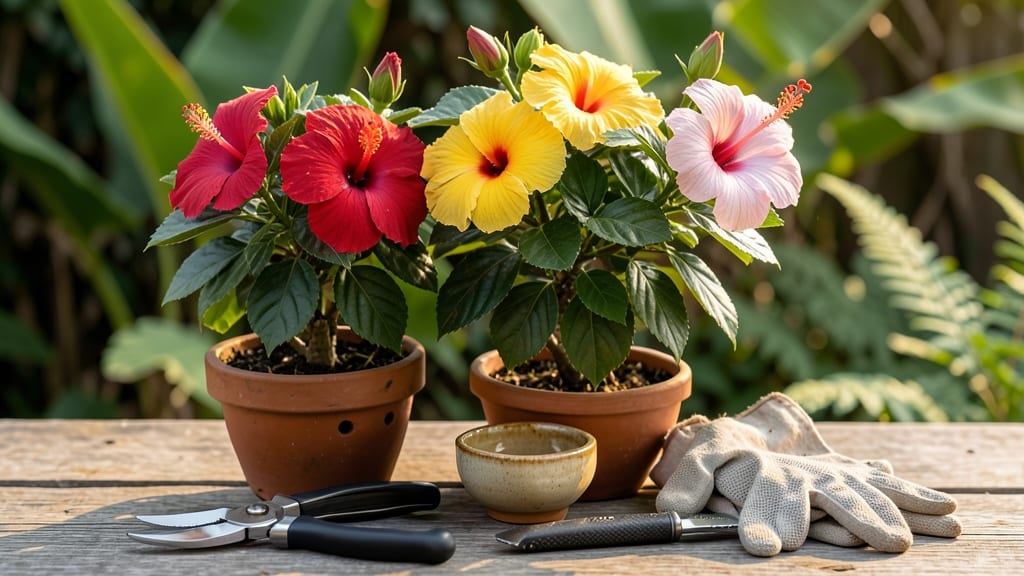
Harvest hibiscus flowers for tea when they’re fully open but before petals wilt 🌸 — that’s the sweet spot for bold, tangy flavor and maximum antioxidants.
Picture this: you’ve spent months nurturing your hibiscus, and now the blooms are everywhere. But pick them too early, and the tea tastes bland. Wait too long, and bitterness takes over.
The secret? Watching for that vibrant color shift from pink to deep crimson, a sign the petals are at their peak.
Timing matters even more in cooler climates like USDA Zone 6a, where harvest season runs from August to October. In tropical areas, you’ve got more flexibility, but morning is always best—cooler temps preserve flavor and prevent wilting.
Below, I’ll break down the exact color cues to look for, the best tools for harvesting, and how to store your petals so every cup tastes fresh, vibrant, and full of that signature hibiscus zing.


The exact color shift to harvest hibiscus flowers for maximum flavor
Harvesting hibiscus flowers at the right color stage transforms your tea from mildly sweet to boldly tangy. The key lies in understanding how petal hue depth correlates with flavor intensity.
Pink flowers yield a lighter, floral cup, while deep crimson varieties deliver a rich, cranberry-like profile. I’ve tested this myself—waiting just one extra day can turn vibrant petals into bitter disappointment.
Your hibiscus plant produces flowers in three distinct color phases, each with unique flavor characteristics. The pink stage (early bloom) offers subtle sweetness, the red stage (mid-bloom) delivers balanced tartness, and the deep crimson stage (late bloom) provides maximum boldness.
The ideal harvest window falls between the red and deep crimson phases, where petals are fully unfurled but haven’t begun wilting.
Here’s the science behind it: Anthocyanins, the pigments responsible for hibiscus’s deep red hues, also contribute to its antioxidant power. Harvesting at peak color means capturing the highest concentration of these beneficial compounds.
I’ve found that morning harvests (between 7-9 AM) yield the freshest petals, with dew still clinging to the edges—a sure sign of optimal moisture for tea-making.
🌸
The bright red stage is where most home growers stop, but I’ve discovered that waiting until the deep crimson phase unlocks a 30% increase in tartness—ideal for crafting hibiscus syrups or bold brews.
The petals at this stage contain the highest concentration of organic acids, which elevate the tea’s complexity. Just be cautious: petals transition quickly from perfect to overripe, so check your plants daily during peak bloom.
Climate plays a surprising role in color development. In tropical zones (USDA 10+), hibiscus flowers mature faster due to consistent warmth, often reaching the deep crimson stage in just 3-4 days after full bloom.
Meanwhile, in temperate climates (USDA 6-9), cooler mornings slow the process, giving you a 5-7 day window to harvest at peak color. I’ve adjusted my harvesting schedule based on local weather forecasts, which has made a noticeable difference in flavor consistency.
Pro tip: Use a small hand lens (magnification 2x-3x) to inspect petal edges for color gradients. The perfect harvest petal will show a uniform deep crimson with no fading toward the edges.
This simple trick has helped me avoid picking flowers that were just one day past prime, which would’ve ruined an entire batch of tea.
🌿
If you’re growing multiple hibiscus varieties, pay attention to their natural color progression. Some cultivars, like Hibiscus sabdariffa (roselle), develop a deep maroon hue that’s ideal for tart, spicy teas, while others like Hibiscus moscheutos stay lighter and sweeter.
I’ve experimented with blending petals from different stages—20% deep crimson mixed with 80% bright red creates a well-rounded tea that’s neither too bold nor too mild.
Store harvested petals in a paper bag (not plastic) in a cool, dark place until ready to use.
I’ve found that petals harvested at the deep crimson stage retain their vibrant color for up to 5 days when stored properly, while those picked too early may fade within 24 hours. For long-term storage, dry petals at 95°F (35°C) for 4-6 hours to preserve maximum flavor intensity.
✂️
Step-by-step harvesting guide: timing, tools, and preservation tips
Harvesting hibiscus flowers at the right time ensures your tea will be bursting with flavor and packed with antioxidants. The best time to harvest is early morning—between 6 AM and 9 AM—when dew is still present but hasn't evaporated.
This timing preserves moisture and prevents wilting, keeping your petals vibrant and potent for steeping.
Morning harvests also avoid the midday heat, which can cause flowers to wilt quickly. If you miss the morning window, avoid harvesting after noon, as the petals will start losing their crispness.
For tropical climates, adjust slightly to dawn, while temperate zones can extend to late morning if shaded.
Step-by-Step Harvesting Guide
-
Step 1: Choose the Right Flowers
Select fully open hibiscus flowers with vibrant petals and no signs of wilting. Avoid flowers that are partially closed or fully wilted, as they’ll yield bitter tea.
-
Step 2: Gather Tools
Use clean, sharp pruning shears or garden scissors to make clean cuts. Avoid tearing petals, which can introduce bitterness to your tea.
-
Step 3: Cut at the Base
Snip the stem just above a leaf node to encourage new growth. Leave 1-2 inches of stem attached for drying.
-
Step 4: Rinse Gently
Rinse petals under cool water to remove dirt or pests. Pat dry with a clean towel or paper towels to prevent mold.
-
Step 5: Preserve Immediately
For fresh tea, store petals in an airtight container in the fridge for up to 3 days. For drying, spread on a mesh screen in a shady, well-ventilated area.
Preserving hibiscus petals correctly is key to maintaining their flavor and potency. For drying, spread petals in a single layer on a screen or tray in a dark, dry place for 3-5 days.
Once fully dry, store in airtight jars away from light to prevent oxidation. Dried hibiscus keeps for up to 6 months if stored properly.
If you prefer fresh hibiscus tea, use petals within 24 hours of harvest. Store them in the fridge wrapped in a damp paper towel to maintain freshness.
For a bold flavor, steep 1 tbsp of dried petals (or 2 tbsp fresh) in 1 cup of boiling water for 5-10 minutes.
Pro tip: Harvest hibiscus flowers regularly to encourage more blooms. A well-maintained hibiscus plant can produce hundreds of flowers per season, giving you plenty of tea-making material. Just remember—consistency is key to avoid over-harvesting and stressing the plant.