
Companion Plants
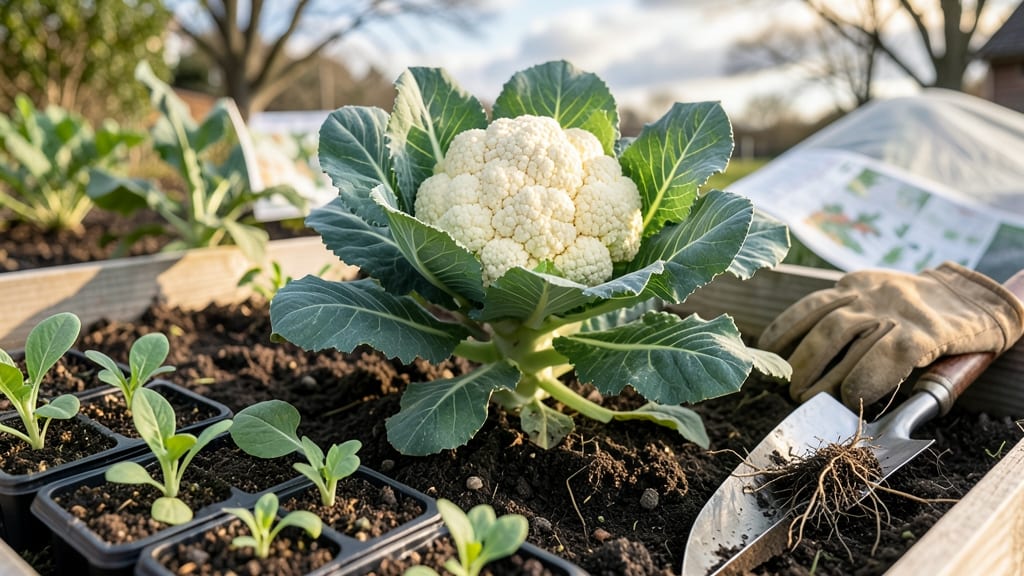
Planting cauliflower in Pennsylvania between March 15 and April 30 or August 1 and September 15 is the key to avoiding frost damage and summer heat stress.
Growing cauliflower in Pennsylvania’s unpredictable climate can be tricky—plant too early, and frost will ruin your crop; too late, and summer heat stunts growth. Timing is everything, and USDA Zones 6-7 demand precision.
In Zone 6a, where temperatures can drop unexpectedly, starting seeds indoors 4-6 weeks before your last frost date (around April 15) gives seedlings a head start. For fall harvests, aim to transplant by August 1 to ensure heads mature before the first frost hits in mid-October.
Below, I’ll break down the exact frost-free windows for your region, soil prep tips, and how to adjust for late frosts or early heat—so you can grow bountiful, firm heads of 🥬 all season long.
Optimal cauliflower planting dates in PA by USDA Zone 6-7
Pennsylvania’s USDA Zones 6-7 create distinct planting windows for cauliflower, where timing directly impacts harvest success. In Zone 6 (Pittsburgh, Harrisburg), cooler springs and earlier frosts mean tighter deadlines, while Zone 7 (Philadelphia, Allentown) offers slightly more flexibility.
Both zones benefit from spring and fall plantings, but soil temperatures and frost dates require careful planning.
For spring crops, aim to plant 4-6 weeks before your last frost date—typically mid-March to late April in Zone 6 and late March to early May in Zone 7.
Fall plantings should start 10-12 weeks before the first frost, usually early August to mid-September, with harvests timed for October-November before hard frosts arrive.
Soil temperatures below 40°F (4°C) stunt germination, while ideal planting temps range from 45-85°F (7-29°C). In Zone 6, soil warms slower, so use row covers or cold frames to protect seedlings.
Zone 7 gardeners can push late spring plantings slightly later but must avoid July heat stress, which causes bolting.
In Zone 6, where last frost dates average April 15, I recommend starting transplants indoors by late February for hardy varieties like ‘Snowball Y Improved.’ For direct sowing, wait until mid-April when soil temps stabilize above 50°F (10°C).
In Zone 7, you can extend your window by 2-3 weeks later, but monitor heat waves—temperatures above 85°F (29°C) stress plants.
For fall harvests, focus on early-maturing varieties (60-70 days) to beat frost. In Zone 6, plant August 1-15 for October harvests, while Zone 7 gardeners can push to September 1.
Use mulch to insulate roots and row covers to extend the season by 2-3 weeks if frost threatens early.
One common mistake is planting too late in spring or too early in fall. In Zone 6, May plantings often bolt before forming heads, while Zone 7’s July starts risk heat stress.
Instead, I suggest staggering plantings every 2 weeks from March to April (spring) and August to September (fall) to ensure a continuous harvest window.
Soil preparation is equally critical. Cauliflower thrives in well-draining, slightly acidic soil (pH 6.5-7.0). Amend clay-heavy soils with compost or peat moss, and ensure 1-2 inches of organic matter in the top 6 inches.
In Zone 6’s cooler climate, add aged compost to retain moisture, while Zone 7’s hotter summers benefit from mulching to prevent evaporation.
Pro tip: Direct-seeded cauliflower often struggles with uneven germination, so I recommend transplanting 4-6 week old seedlings for better success. Harden off seedlings for 7-10 days before transplanting, and water deeply at the base to encourage root establishment. Avoid overhead watering to prevent disease risks like downy mildew.
Finally, track your local microclimate. Urban areas like Philadelphia (Zone 7) may experience heat islands, while rural Pittsburgh (Zone 6) faces cooler nights. Adjust planting dates by 1-2 weeks based on your yard’s specific conditions. With precise timing, you’ll enjoy crisp, homegrown ca
How to adjust planting for PA’s microclimates and weather risks
Pennsylvania’s variable climate—from late spring frosts to scorching July heat—can challenge even the most experienced gardeners. Cauliflower, in particular, needs precise adjustments to thrive. In Zone 6 (Pittsburgh, Harrisburg), late frosts often linger until mid-April, while Zone 7 (Philadelphia, Allentown) may experience heat stress by early June.
Understanding these patterns is key to a successful harvest.
Microclimates within PA add another layer of complexity. Urban gardens in cities like Philadelphia often face heat islands, while rural areas may experience cold air pockets in valleys. Even a 5-degree difference can mean the difference between a thriving plant and a frost-damaged crop.
Adjusting your planting strategy based on your specific location ensures your cauliflower matures before summer’s intensity peaks.
⚠️ CAUTION: Late Spring Frosts & Heat Stress ⚠️ Don’t risk planting too early! Even hardy cauliflower varieties like ‘Snowball Y Improved’ can suffer from black rot if exposed to temperatures below 40°F after germination.
In Zone 6, wait until April 15 (or after your last frost date) to transplant seedlings. For Zone 7, aim for April 1 to avoid heat stress. Use row covers for an extra 2-3 weeks of protection if late frosts are forecasted.
Heat stress in July can cause bolting—plants sending up flower stalks prematurely—so prioritize shade cloth or afternoon shade for late-season crops.
Extended rainy periods in Pennsylvania—especially in May and June—can lead to soil compaction and disease pressure like downy mildew. To mitigate these risks, amend your soil with compost or aged manure before planting to improve drainage.
Elevate beds slightly or use raised containers if your garden sits in a low-lying area prone to waterlogging. Mulching with straw or wood chips helps regulate soil temperature and reduces moisture loss during dry spells.
Row covers and cold frames are your best friends for extending Pennsylvania’s growing season. Floating row covers (made of lightweight fabric) can raise soil temperatures by 5-8°F, allowing you to plant 2-3 weeks earlier in spring or 2 weeks later in fall.
For a more permanent solution, a cold frame can protect seedlings from late frosts and even allow for winter harvesting in milder microclimates. Just remember to remove covers during the day in temperatures above 80°F to prevent overheating.
If you’re gardening in urban areas, consider container growing for better control over microclimates. Pots can be moved to shadier spots during heatwaves or warmer locations to hasten growth. Choose compact varieties like ‘Purple of Sicily’, which matures in 60-70 days and tolerates heat better than larger types.
Pair your cauliflower with companion plants like dill or thyme to deter pests and improve air circulation around the heads.
Finally, monitor your garden closely and be ready to adapt on the fly. Pennsylvania’s weather can shift dramatically—one day brings frost warnings, the next brings 90°F heat. Keep a garden journal to track planting dates, weather patterns, and plant responses.
Over time, you’ll refine your strategy to outsmart PA’s climate and enjoy a bountiful cauliflower harvest, no matter the season. With these adjustments, your garden will be resilient enough to handle whatever Mother Nature throws your way. 🌱