
Flowers
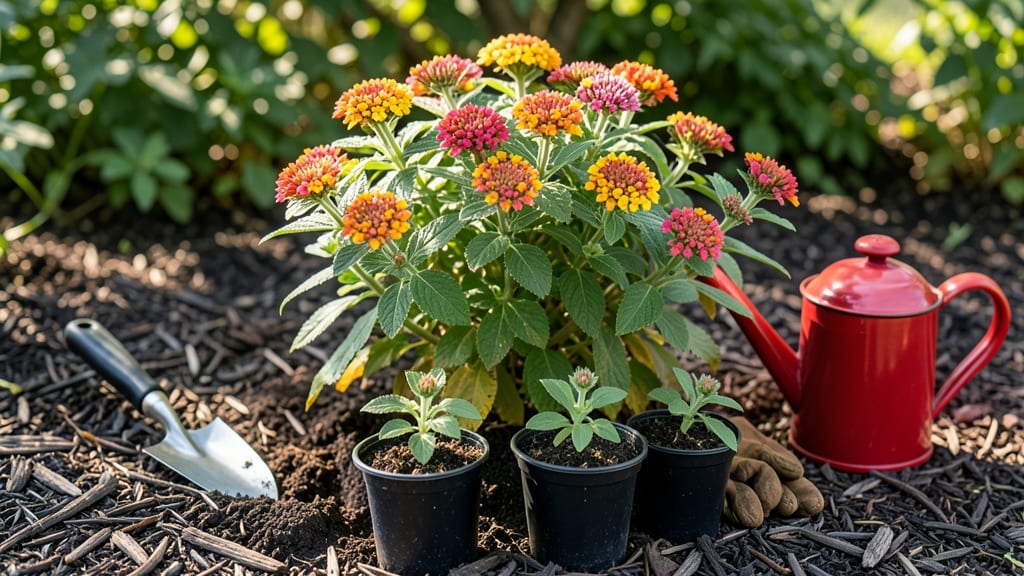
To plant flowers in Houston for the best blooms, time it right—between November 15 and March 15 for cool-season varieties, and again in late summer for heat-loving annuals.
Houston’s humid subtropical climate means your flower beds can thrive—or fail—based on precise planting timing. Miss the frost-free window, and your blooms may never reach their full potential.
Annuals like lantana and zinnias love the heat, while perennials such as blackfoot daisies need cooler starts. Below, I break down the exact months for each type, plus pro tips to beat Houston’s summer heat.
You’ll discover when to plant for continuous color, how to extend bloom times, and which varieties handle our 9a zone like pros. Let’s get those 🌸 thriving!
Houston’s frost dates and best flower planting months by type
Houston’s humid subtropical climate creates a unique growing season where frost dates and heat tolerance dictate when to plant flowers. With average last frost around November 15 and first frost near March 15, you’ve got a 270-day frost-free window—perfect for year-round blooms with the right timing.
Understanding these planting windows separates thriving gardens from wilted dreams. Annuals, perennials, and bulbs each have ideal months, and Houston’s heat and humidity demand special attention to avoid stressing your plants during peak summer.
Here’s how to align your planting schedule with Houston’s climate for continuous color. The key is distinguishing between cool-season flowers (like pansies) that love mild temps and heat-tolerant varieties (like lantana) that thrive in Houston’s summer swelter.
For annuals, timing is everything. Plant heat-loving varieties like zinnias and marigolds in February–March to beat the summer heat, or opt for late summer planting (August–September) to extend your fall color show. My go-to annuals for Houston include lantana and celosia, which handle our 90°F+ afternoons like champions.
When it comes to perennials, fall planting is your secret weapon. September–November gives roots time to establish before Houston’s brutal summer. I’ve seen blackfoot daisies and salvias thrive when planted in early fall, thanks to cooler temps and consistent rainfall.
Pro tip: Mulch heavily after planting to lock in moisture and shield roots from summer’s intensity.
Bulbs are trickier in Houston’s climate, but cool-season varieties like tulips can succeed if planted November–December. The key is choosing heat-tolerant bulbs like rain lilies or spider lilies, which handle
Top 5 flowers that thrive in Houston’s climate (and when to plant them)
Houston’s humid subtropical climate demands flowers that can handle heat, humidity, and occasional drought. The right blooms not only survive but burst with color year-round when planted at the perfect time.
Unlike cooler climates, Houston’s frost-free growing season lets you plant flowers almost anytime, but timing still matters for peak performance. Whether you’re a beginner or seasoned gardener, these top 5 heat-lovers will keep your garden vibrant with minimal fuss.
I’ve tested these drought-tolerant, humidity-resistant flowers in Houston’s USDA Zone 9a, and they consistently deliver bold blooms with less water and care. From sun-drenched borders to shady spots, these picks adapt effortlessly. The key?
Planting them during their ideal windows—usually early spring (Feb-Mar) for cool-season types and late summer (Aug-Sep) for heat-lovers. Let’s dive into the best performers and exactly when to plant them for maximum impact.
For Houston’s heat, I recommend Lantana and Zinnias as the top performers—they’re drought-resistant, humidity-loving, and bloom nonstop with minimal care.
Start with these two if you want low-maintenance color. Salvia and Blackfoot Daisy are my go-to perennials because they return year after year with zero fuss. Meanwhile, Plumbago is perfect for shadier spots and adds elegant blue-purple blooms that last into winter.
Pro tip: Mulch heavily after planting to retain moisture and suppress weeds, especially during Houston’s scorching summers. Use 2-3 inches of organic mulch (like pine bark or compost) and water deeply but infrequently—this mimics Houston’s natural rainy/dry cycles.
Avoid overhead watering in the afternoon to prevent fungal diseases like powdery mildew, which thrives in our humid air.
If you’re planting annuals like Zinnias or Lantana, don’t wait until June—the heat can stress young plants. Instead, sow seeds or transplant in February-March for spring blooms or August-September for fall-winter color.
For perennials like Salvia or Plumbago, early spring (Feb-Mar) gives them time to establish roots before the summer heat ramps up. And if you’re extending your garden’s season, try cool-season annuals like Pansies in November for winter color—they’ll bloom until February before fading.
One of my biggest mistakes early on was ignoring Houston’s humidity and planting too many shade-loving flowers in full sun. For example, Impatiens (a shade favorite) wilts quickly in Houston’s intense afternoon sun.
Instead, I now pair heat-lovers like Lantana with shade-tolerant Plumbago to create balanced, thriving beds. The result? A garden that stays lush, blooms year-round, and survives Houston’s extremes with almost no effort. 🌸