
Flowers
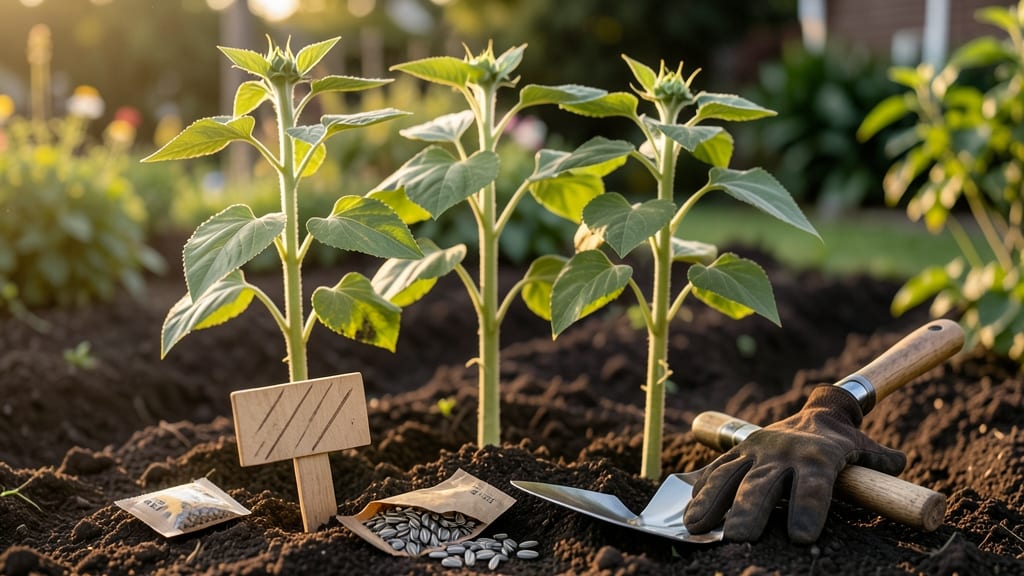
Planting sunflowers in Nebraska after the last frost — typically mid-April — ensures strong, vibrant blooms that thrive in your 5a-6b climate.
Sunflowers bring vibrant color and joy to Nebraska gardens—but timing is everything. Plant them too early, and frost will strike; too late, and your blooms may never reach their full potential.
Nebraska’s variable spring weather makes mid-April to early June the ideal window, but shorter varieties need extra care. Below, I’ll break down frost dates by zone, the best sunflower types for your garden, and how to adjust for late springs.
You’ll learn how to pick fast-maturing varieties, prep soil for Nebraska’s dry spells, and avoid common mistakes that cut bloom time short.
Nebraska sunflower planting timeline by hardiness zones
Nebraska's variable climate makes timing critical for sunflower success. With USDA Zones 4-7, frost dates shift dramatically—from late April in Zone 7 to early May in Zone 4.
Plant too early, and frost will damage tender seedlings; too late, and your tall varieties may not mature before fall frost. Let’s break down the perfect planting windows for each zone.
Sunflowers thrive in warm soil (at least 55°F) and full sun. Nebraska’s last spring frost averages range from April 15 in Zone 7 to May 10 in Zone 4.
For dwarf varieties (like 'Teddy Bear'), you can push planting slightly later, but tall sunflowers (like 'Mammoth') need every warm day to reach maturity.
Pro Tip: Use row covers or black plastic mulch to warm soil early in cooler zones (4-5). This lets you plant 2-3 weeks earlier without frost risk. I’ve seen Zone 4 gardeners extend their season by 10-14 days this way!
For Zone 4 gardeners, focus on fast-maturing varieties like 'Teddy Bear' (50 days) to ensure blooms before first frost (typically October 1-15). In Zone 7, you can even try late summer plantings (July) for fall color—just choose varieties with 60-70 day maturity.
Soil temperature matters just as much as air temperature. Use a soil thermometer to confirm 55°F+ before planting. In Zone 5-6, I’ve found that mid-April soil temps often lag behind air temps by 1-2 weeks. Patience pays off—waiting for warm soil prevents rot and poor germination.
Direct sowing is best for sunflowers—they hate transplanting. Scatter seeds 1 inch deep, 6 inches apart, and thin to 12-18 inches for tall varieties. In Zone 4, I’ve had better luck with staggered plantings (every 2 weeks in May) to extend the bloom season.
This ensures continuous color and pollinator support all summer.
Watch for unpredictable late frosts, especially in western Nebraska. Sign up for local frost alerts (like those from Nebraska State Climate Office) to adjust your schedule. I once lost a $50 sunflower patch in Zone 5 to a May 10 frost
After planting, mulch with straw or grass clippings to retain moisture and suppress weeds. Sunflow
How to adjust planting dates for sunflower success in Nebraska
Nebraska’s unpredictable spring weather can make sunflower planting a real challenge. While most gardeners aim for mid-April to early June, late frosts or early heat waves often throw off timelines.
The key is flexibility—using season extenders and fast-maturing varieties to maximize your bloom time. I’ve learned that even a two-week delay can drastically reduce your sunflowers’ potential height and seed production.
Start by checking your local last frost date—most of Nebraska falls in USDA Zones 5-7, with average last frosts ranging from April 15 to May 1. If you’re in western Nebraska, you might get an earlier window, while eastern areas often wait until late April.
But here’s the trick: planting too early risks frost damage to young seedlings, while planting too late may mean your sunflowers bolt before reaching full maturity.
🌱 5 Ways to Adjust Sunflower Planting Dates in Nebraska
- 1. Use row covers for 2-3 weeks after planting to protect seedlings from late frosts (down to 20°F). Remove when plants reach 6 inches tall.
- 2. Choose fast-maturing varieties like 'Autumn Beauty' (56 days) or 'Moulin Rouge' (60 days) to ensure blooms before fall frosts.
- 3. Plant in stages: Sow half your seeds in early May, then another half 2 weeks later to extend your harvest window.
- 4. Warm your soil with black plastic mulch 1-2 weeks before planting to speed up germination in cool springs.
- 5. Try a late summer planting (early August) for fall-blooming sunflowers—just pick varieties with 60-70 days to maturity.
Pro tip: Pair these adjustments with well-draining soil and full-sun locations to give your sunflowers the best shot at thriving despite Nebraska’s whims.
If you’re dealing with a cool spring, consider starting seeds indoors under grow lights 2-3 weeks before your target outdoor date. Sunflowers germinate quickly—often within 7-10 days—so you can transplant them once soil temperatures hit 55°F.
Just be sure to harden them off for 5-7 days before moving them outside to avoid transplant shock.
For gardeners in western Nebraska, where summers are hotter and drier, focus on drought-tolerant varieties like 'ProCut' and plant in early May to avoid heat stress during germination.
In eastern Nebraska, where humidity is higher, opt for spaced-out plantings to prevent fungal diseases like powdery mildew, which thrives in Nebraska’s wet summers.
Don’t overlook the power of succession planting. By sowing new seeds every 2-3 weeks from May through early June, you’ll enjoy continuous blooms from July through September.
This is especially useful in Nebraska, where fall frosts can arrive as early as mid-October—cutting short the growing season for late plantings.
Finally, keep an eye on your local weather forecasts and adjust as needed. Last year, I had to cover my sunflowers with frost cloth in early May when temperatures dropped to 28°F—but my 60-day varieties still bloomed beautifully by August.
With the right adjustments, Nebraska’s short growing season doesn’t have to limit your sunflower success.