
Flowers
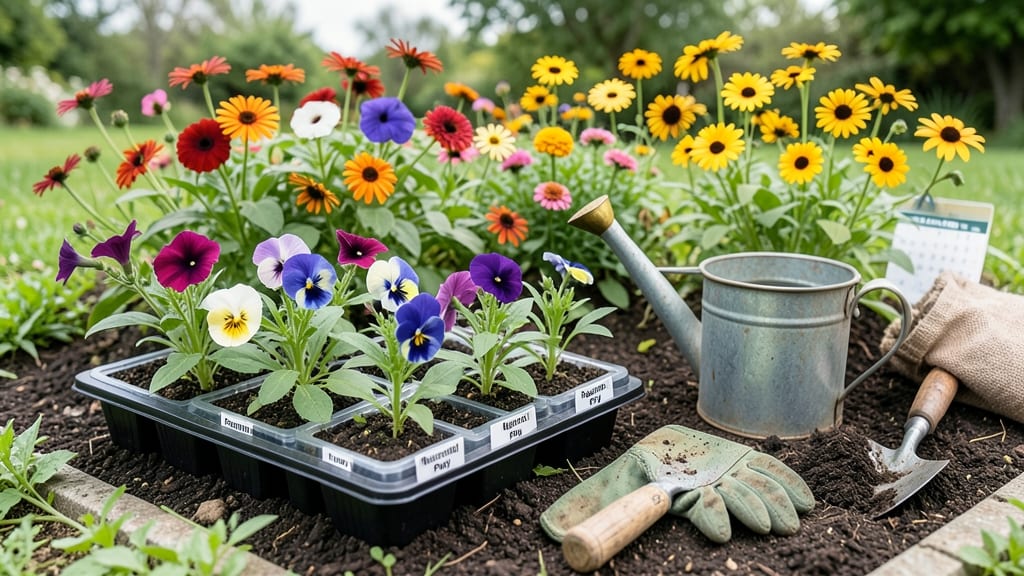
Planting flowers in Massachusetts at the right time means the difference between a showstopping garden and a sad, frost-nipped disappointment.
Massachusetts gardeners know timing is everything—plant too early, and frost will strike; too late, and your flowers may miss peak bloom season. But with the right schedule, you can transform your yard into a vibrant, year-round display.
Whether you’re in Zone 5b or Zone 7a, coastal or inland, the key is understanding your last frost date—typically around April 15—and working backward from there.
In this guide, I’ll break down the best months to plant annuals, perennials, and bulbs, plus pro tips to extend your blooms from spring to fall.
Massachusetts planting zones: which flowers thrive in your area?
Massachusetts spans USDA Zones 5a through 7b, creating distinct microclimates that affect what flowers thrive in your yard. Coastal areas like Cape Cod (Zone 6b-7a) enjoy milder winters, while inland regions (Zone 5a-6a) face earlier frosts.
Understanding your zone helps you choose perennials that return yearly and annuals that bloom all season.
Coastal gardeners can plant tender perennials like lavender or tropical-inspired cannas that wouldn’t survive inland winters. Meanwhile, inland gardeners rely on hardy natives like black-eyed Susans or cold-resistant daffodils to brave late spring frosts that often hit in May.
The last average frost date ranges from April 15 in inland areas to May 1 in coastal zones. This timeline dictates when to plant frost-sensitive annuals like impatiens versus cold-hardy bulbs like tulips, which can go in the ground as early as October for fall planting.
Here’s how to match your zone to the best flowers for your Massachusetts garden, including perennials, annuals, and bulbs that thrive in each microclimate:
For Zone 5a gardeners, focus on early-blooming bulbs like crocuses and hardy perennials such as coneflowers, which tolerate shorter growing seasons. In Zone 7a coastal areas, you can even try tender perennials like cannas or exotic annuals like angelonia that thrive in warmer microclimates.
Spring planting in Massachusetts kicks off in March for hardy bulbs and April for perennials, while annuals go in after May 15 to avoid frost. Fall is ideal for planting bulbs in October and establishing perennials by September so they root before winter.
Coastal areas can extend this window by 2-3 weeks.
Inland gardeners should prioritize succession planting for annuals like zinnias or sunflowers to stretch the blooming season. Meanwhile, coastal gardeners can experiment with heat-loving annuals like portulaca that thrive in sandy, well-drained soils common along the shore.
Soil prep is critical: Amend clay-heavy inland soils with compost to improve drainage, while sandy coastal soils benefit from organic matter to retain moisture. A pH test will help you adjust for acid-loving plants like azaleas or alkaline-tolerant perennials like black-eyed Susans.
Remember, microclimates matter—a south-facing slope warms up faster than a shady north side. Use this to your advantage by planting frost-sensitive flowers in sheltered spots or near heat-absorbing walls.
With the right timing and plant choices, your Massachusetts garden can burst with color from spring daffodils to fall mums, no matter your zone. Start by checking your exact last frost date using local weather records—it’s the key to peak blooms all season! 🌷
Monthly flower planting calendar for Massachusetts gardens
Massachusetts gardeners know timing is everything—plant too early, and frost will strike; too late, and your flowers may miss peak bloom season. But with the right schedule, you can transform your yard into a vibrant, year-round display.
The key is understanding frost dates, soil temperatures, and which flowers thrive in USDA zones 5b-7a. Let’s break it down by month to ensure your garden blooms beautifully.
Start preparing your garden beds in early spring by adding compost and testing soil pH. Most perennials and bulbs can go in the ground as soon as the soil is workable, usually by late March in inland areas and early April near the coast.
For annuals, begin sowing seeds indoors 6-8 weeks before the last frost date (typically mid-April).
- 1. March: Plant tulip and daffodil bulbs (they need cold stratification). Start cool-season annuals like pansies and snapdragons indoors.
- 2. April: Transplant perennials (e.g., daylilies, peonies) after last frost. Sow hardy annuals like marigolds and zinnias directly in the ground.
- 3. May: Plant heat-loving annuals (e.g., petunias, geraniums) once soil warms. Divide overcrowded perennials like hostas and irises.
- 4. June: Succession plant fast-growing annuals (e.g., cosmos, sunflowers) for continuous blooms. Mulch to retain moisture during hot summer months.
- 5. July: Deadhead spent blooms to encourage reblooming. Plant fall-blooming bulbs (e.g., crocuses, alliums) for early spring color.
- 6. August: Start fall planting of pansies, sweet alyssum, and mums. Divide overgrown perennials before dormancy.
- 7. September: Plant spring-blooming bulbs (e.g., tulips, hyacinths) for next year. Add winter interest plants like helebores and ornamental grasses.
- 8. October: Cover tender perennials with mulch before first frost. Remove annuals and compost plant debris.
For coastal Massachusetts, adjust timelines by 1-2 weeks later due to cooler temperatures and delayed frost dates. Inland areas can plant earlier, especially in warmer microclimates like Boston or Providence.
Always check local frost forecasts—late springs are common in Zone 5b, so have row covers ready for sensitive plants.
Don’t forget to deadhead flowers regularly to prolong blooming and fertilize lightly every 4-6 weeks during the growing season. In September, focus on fall-blooming perennials like asters and sedum, which thrive in cooler weather.
With this schedule, your garden will stay vibrant from spring tulips to fall mums!
Pro tip: Mark your calendar for September 15—this is the ideal time to plant spring-blooming bulbs in most of Massachusetts. The 6-week chill period they need will be satisfied by winter, ensuring stunning blooms next spring. Happy planting! 🌷