
Flowers
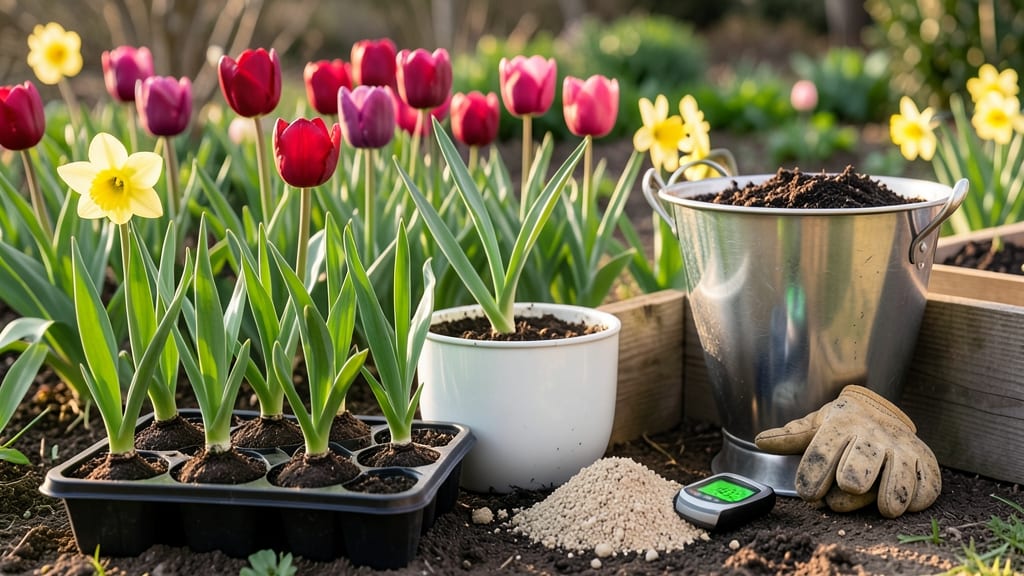
Planting flowers in New England at the right time means the difference between a garden bursting with color and one that never gets off the ground.
Timing your flower planting in New England wrong can mean wilting dreams before buds even form—but knowing your USDA zone’s frost dates unlocks a thriving garden all season long.
With 5b-6b zones and unpredictable weather, the window for planting annuals like petunias or perennials like coneflowers is narrow. Start too early, and a late frost will kill tender seedlings. Wait too long, and your garden might miss peak bloom times.
In this guide, I’ll break down the exact frost-date timeline by zone, when to plant each type of flower, and pro tips to beat New England’s tricky climate—so you can enjoy months of vibrant blooms instead of a few sad weeks.
New England frost dates by USDA Zone: critical planting windows for annuals
New England’s USDA Zones 3-6 experience dramatic temperature swings, making frost dates the single most important factor for planting annual flowers. A late frost in Zone 4 can wipe out tender seedlings, while Zone 6 gardeners might see a second planting window in fall.
Understanding these critical windows ensures your petunias, marigolds, and zinnias thrive—not just survive.
Most New Englanders follow the "last frost date" rule, but microclimates—like city heat islands or sheltered valleys—can shift planting by 2-3 weeks. For example, coastal Zone 6b areas (like Portland, ME) often warm earlier than inland Zone 5a (e.g., Burlington, VT).
I’ll break down zone-specific frost dates and the ideal planting months for spring-bloomers versus hardy fall varieties.
Pro Tip: Use row covers or cold frames to extend your spring planting window by 2-4 weeks in colder zones. This trick lets you sow zinnias in Zone 4 as early as late April instead of waiting for May.
For spring-blooming annuals like petunias and marigolds, the earliest planting window opens after your zone’s last frost—but don’t rush! Soil temperature matters just as much. Test it with a soil thermometer; aim for 60°F+ for most seeds to germinate reliably.
In Zone 4, this often means waiting until mid-May unless you’re using heat mats.
Fall planting offers a second chance for cool-season flowers like pansies and snapdragons. These hardy varieties thrive when planted 6-8 weeks before your first frost. In Zone 5, that’s mid-July to early August.
The key is to give them time to establish roots before winter sets in. I’ve had pansies bloom through December in Zone 6 with a thick layer of straw mulch.
Microclimates can shift your planting window by weeks. A south-facing slope warms faster than a north-facing yard, while urban areas (like downtown Boston) stay 5–10°F warmer than rural spots. Observe your garden’s frost pockets—low areas collect cold air and freeze later. If your yard has these, plant heat-loving zinnias on the sunniest, highest ground first.
Don’t forget hardening off seedlings! If you start petunias indoors in March, they need 7–10 days of gradual outdoor exposure before transplanting. Skip this step, and you’ll risk shocked, leggy plants that wilt in the first week.
I harden off mine by placing trays outside for 2 hours/day, increasing time by 1 hour daily.
For extended blooms, succession plant zinnias and cosmos every 2 weeks from late May to July. This ensures continuous color until frost. In Zone 6, I’ve kept cosmos flowering until November by deadheading spent blooms and protecting them with frost cloth on chilly nights.
Track your local frost dates using the National Weather Service or apps like PlantNet. These tools provide hyper-local data, accounting for your specific elevation and microclimate. Armed with this info, you’ll plant with confidence—no more guessing games or sad, frost-nipped flowers.
🌱
Perennial flowers vs. annuals: planting strategies for year-round color
New England’s short growing season forces tough choices—do you plant perennials for long-term beauty or annuals for quick seasonal color? The answer depends on your goals and timeline. Perennials like peony and coneflower return year after year, while annuals like marigolds and zinnias deliver instant impact but fade with frost.
Let’s break down the best strategies for each.
For perennials, timing is key. Plant them in early spring (April-May) or fall (September-October) to give roots time to establish before winter. This ensures they’ll bloom reliably for years.
In USDA Zones 5-6, fall planting is ideal—it allows roots to grow before dormancy. Spring planting works too, but avoid late starts after May 15 to prevent stress.
Annuals, on the other hand, thrive when planted after the last frost (mid-May in most of New England). They’re perfect for filling gaps in your garden’s timeline, especially if you want summer-long color. Mix fast-bloomers like cosmos with slower starters like petunias to stretch your season.
🌱 Pro Tip: Combine both! Use perennials as your garden’s backbone (e.g., black-eyed Susans or daylilies) and annuals as seasonal highlights. This creates a garden that’s always vibrant, even when one type fades.
Perennials vs. Annuals: New England Planting Guide
Perennials
- Pros: Return yearly, low-maintenance, long bloom seasons
- Best for: Foundational planting, pollinators, winter interest
- Plant when: Early spring or fall (6-8 weeks before first frost)
- Examples: Peony, Coneflower, Lavender, Hostas
Annuals
- Pros: Instant color, variety, seasonal flexibility
- Best for: Filling gaps, container gardens, seasonal themes
- Plant when: After last frost (mid-May) or late summer for fall blooms
- Examples: Marigolds, Petunias, Zinnias, Snapdragons
To extend bloom times, mulch heavily (3-4 inches of straw or shredded leaves) after planting. This insulates roots in winter and retains moisture in summer. For perennials, mulch also suppresses weeds, reducing competition. Annuals benefit from a light mulch layer to keep soil cool and conserve water.
Don’t forget to fertilize strategically. Perennials need a balanced fertilizer (10-10-10) in early spring, while annuals respond well to liquid feed every 2-3 weeks. Over-fertilizing can lead to lush foliage but fewer blooms—especially in annuals. Aim for bloom-boosting formulas like 5-10-5 for vibrant flowers.
With these strategies, your New England garden can burst with color from spring peonies to fall mums, blending the reliability of perennials with the excitement of annuals. Start small—try a few perennials in your borders and a container of annuals on your patio—and watch your garden transform! 🌷