
Flowers
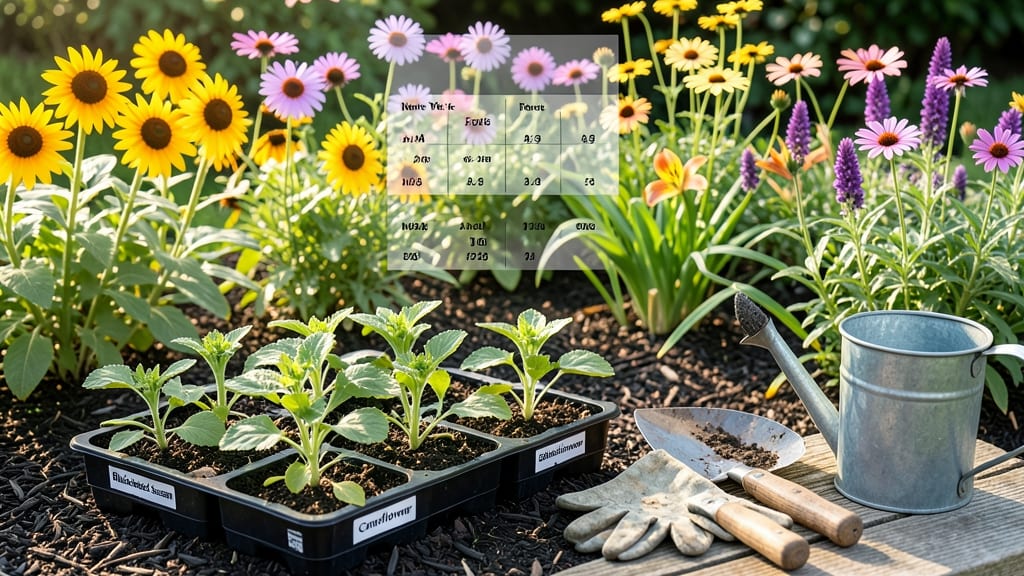
To plant flowers in New York for vibrant blooms all season, time it right—spring’s last frost date (around April 15 in NYC) is your starting point.
New York’s unpredictable spring and fall weather can make planting flowers a guessing game—but timing is everything for vibrant blooms that last all season.
Whether you’re a seasoned gardener or a first-time flower planter, knowing the perfect window to sow seeds or transplant seedlings in New York’s USDA Zones 5-7 can mean the difference between a thriving garden and a disappointing one.
From frost-sensitive annuals like petunias to hardy perennials such as coneflowers, this guide breaks down the exact months to plant for peak blooms, accounting for regional microclimates like NYC’s urban heat islands and upstate’s cooler zones.
We’ll cover how to adjust for late frosts, soil warming, and the best flowers to plant each season—so you can enjoy a garden bursting with color from spring to fall.
Discover when to plant your favorites, from bulbs in fall to annuals in summer, and learn the 3 golden rules for New York gardeners—so you never miss a bloom again.
New York planting calendar by flower type: annuals vs perennials vs bulbs
New York’s diverse climate—from NYC’s urban heat islands to upstate’s cooler microclimates—means your planting schedule should be just as varied. Whether you’re growing petunias for summer color or tulips for spring, timing is critical.
The key is understanding frost dates, soil temperature thresholds, and how each flower type responds to New York’s USDA Zones 5-7. Let’s break down the best months to plant annuals, perennials, and bulbs for each region.
For annuals like marigolds and zinnias, you’ll want to wait until after the last frost (typically mid-April in NYC and late April upstate) when soil temperatures reach at least 60°F.
Perennials like coneflowers and black-eyed Susans can handle cooler soil and should be planted in early spring (April) or even late fall (October) for established roots.
Bulbs like daffodils and tulips thrive when planted 6-8 weeks before the first frost, usually in October for fall planting or March for spring blooms.
Regional adjustments are crucial: Long Island’s Zone 7a allows for slightly earlier planting, while upstate’s Zone 5b may require delaying tender annuals by 1-2 weeks. Always check your local frost-free date—NYC’s average last frost is April 15, but upstate can see frost as late as May 1. Use these adjustments to avoid killing frost-sensitive plants before they establish.
One of the biggest mistakes I see in New York gardens is planting tender annuals too early. For example, impatiens and geraniums will wilt if exposed to frost, even a light one.
Always wait until the average last frost date has passed—check the National Weather Service or local gardening groups for updates. In NYC, this is typically April 15, but upstate gardeners should hold off until May 1 to be safe.
For perennials, early spring planting (April) gives roots time to establish before summer heat sets in. If you’re in a shady spot, like under trees, opt for hostas or heucheras, which thrive in cooler conditions.
Hardy perennials like Russian sage can even handle light frost, making them ideal for upstate gardeners who experience late springs. Always amend your soil with compost before planting to improve drainage and nutrient retention.
Bulbs are a gardener’s secret weapon for low-maintenance color. Plant tulips and daffodils in fall (October–November) so they’ll bloom next spring with minimal effort. If you miss the fall window, you can still plant bulbs in early spring (March–April), though they may bloom slightly later.
For Zone 5b areas, choose hardy varieties like daffodils, which can withstand colder winters. Always plant bulbs at 3x their depth for best results.
Don’t forget about container gardening, which is perfect for NYC’s limited space. Annuals like pansies and
How to adjust planting times for New York’s unpredictable weather
New York’s weather keeps gardeners on their toes—one day it’s 70°F and sunny, the next it’s a surprise frost in May. Adjusting your planting schedule based on soil temperature, microclimates, and local frost dates is the key to avoiding wilted seedlings and missed blooms.
Whether you’re in NYC’s urban heat zone or upstate’s cooler valleys, these strategies will help you sync your garden with New York’s quirky weather patterns.
Start by monitoring soil warmth—not air temperature—since cool soil delays germination. Use a soil thermometer to check for 60°F+ before planting warm-season flowers like geraniums or zinnias.
In Zone 5b (upstate), wait until May 15, while Zone 7a (Long Island) gardeners can plant as early as April 20. Urban areas like Brooklyn may need to delay by 1–2 weeks due to heat island effects.
Use frost cloth or row covers to shield tender annuals (e.g., petunias, marigolds) until May 10. Check the National Weather Service for frost alerts—a single 28°F night can devastate young plants. For extra safety, plant cool-season flowers like pansies in August–September for fall/winter blooms.
NYC sidewalks can be 10°F warmer than parks. Delay planting heat-loving flowers (e.g., zinnias, sunflowers) by 1–2 weeks in urban containers or rooftop gardens. Opt for shade-tolerant annuals like impatiens or begonias in west-facing urban spots where afternoon sun intensifies.
Sow hardy annuals (e.g., snapdragons, sweet alyssum) in August–September to beat spring competition. These cool-season flowers germinate slowly but thrive in fall’s mild temps, giving you early spring color. Mulch with straw to protect roots from freeze-thaw cycles.
Plant tulip and daffodil bulbs 6–8 inches deep in October–November—shallower planting risks rot, while deeper planting delays blooms. For late-summer flowers (e.g., dahlia tubers), wait until after May 15 when soil is 65°F+. Upstate gardeners should plant 2 weeks earlier than Long Island.
Use frost cloth to push fall planting (e.g., marigolds, cosmos) 2–3 weeks later than calendar dates. Remove cloth during the day in sunny weather to prevent heat stress. For container gardens, wrap pots in bubble wrap and move them to protected spots (e.g., porches, garages) before 28°F nights.
Don’t let New York’s unpredictable weather derail your garden dreams. By adjusting planting times based on soil warmth, microclimates, and seasonal strategies, you can enjoy longer bloom seasons and hardier plants.
Start with cool-season flowers in early spring, then transition to warm-season favorites once soil warms. And remember—frost cloth is your best friend for fall extensions!
Pro tip: Keep a gardening journal to track your local frost dates and planting successes. Over time, you’ll fine-tune your schedule to match your unique microclimate, whether you’re in Bronx heat traps or Adirondack chill zones. Happy planting! 🌱