
Flowers
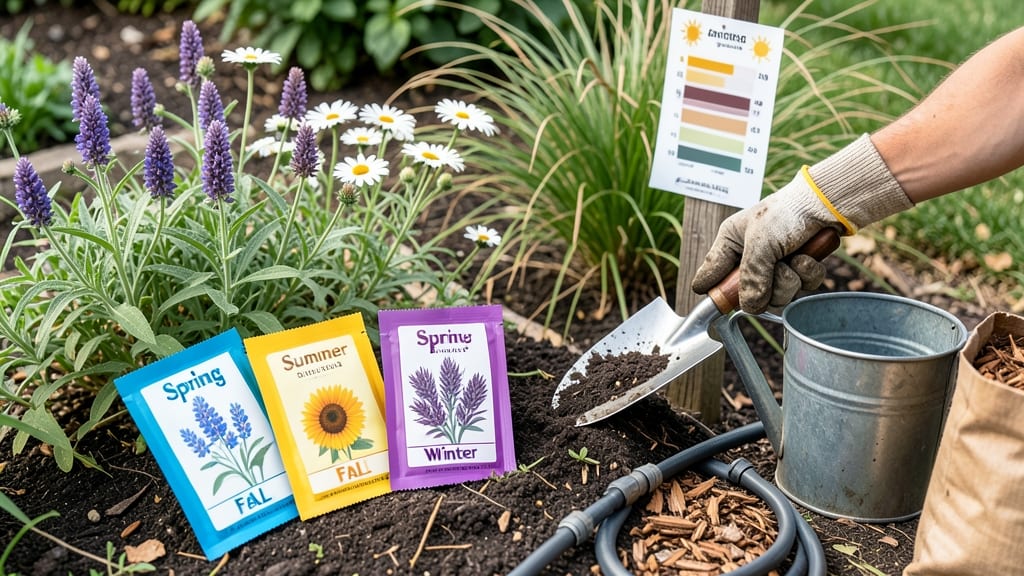
Planting flowers in San Antonio at the right time means year-round color—but miss the window, and you’ll end up with wilted petals or stunted growth.
San Antonio’s USDA Zone 8b climate lets you grow flowers nearly 12 months a year, but the key is knowing when to plant. Too early, and the heat zaps young roots; too late, and frost catches them off guard.
I’ve learned the hard way which blooms thrive in fall’s mild temperatures and which need spring’s cooler start.
From heat-loving marigolds to frost-tolerant petunias, this guide breaks down the best planting months for annuals, perennials, and native wildflowers—plus when to start seeds versus buying transplants. Skip the guesswork and get a garden that blooms all season long.
You’ll discover exact frost dates, soil prep tips, and how to stretch your blooms into winter with cold-hardy picks. Ready to turn your yard into a nonstop flower show?
San Antonio flower planting calendar by season (zone 8b guide)
San Antonio’s Zone 8b climate creates a gardener’s paradise with extended growing seasons and year-round planting opportunities. Unlike colder regions, you can plant flowers in fall, winter, and early spring—but timing matters to avoid heat stress or light frosts.
The key is understanding your last frost date (mid-January) and peak summer heat (June–August) to maximize blooms.
For annuals and tender perennials, focus on fall planting (September–November) to establish roots before winter. Heat-loving varieties like lantana and zinnias thrive when planted in late winter (February–March), while bulbs like daffodils need cool fall soil to bloom in spring.
Let’s break down the best month-by-month planting schedule for your San Antonio garden.
📅 PRO TIP: Always check soil temperatures—ideal ranges are 60–75°F for cool-season plants and 70–90°F for warm-season varieties. Use a soil thermometer to avoid guesswork!
| Season | Best Planting Time | Flowers to Plant | Key Considerations |
|---|---|---|---|
| Spring | February–March | Zinnias, Marigolds, Petunias, Lantana, Salvia | Wait until 2–3 weeks after last frost (mid-January). Use mulch to retain moisture. |
| Summer | June–August | Sunflowers, Cosmos, Portulaca, Verbena, Gaillardia | Prioritize drought-tolerant varieties. Water deeply 2–3x/week. |
| Fall | September–November | Pansies, Snapdragons, Calendula, Sweet Alyssum, Bulbs (Tulips, Daffodils) | Plant 6–8 weeks before first frost (mid-December). Cool temps boost root growth. |
| Winter | December–January | Carnations, Stock, Sweet Peas, Native Wildflowers (e.g., Bluebonnets) | Protect from light frosts with row covers. Soil stays workable in Zone 8b. |
In spring (February–March), focus on warm-season annuals like zinnias and marigolds, which thrive in San Antonio’s 90°F+ summers.
Start seeds indoors in January for a head start, or buy transplants from local nurseries once temperatures stabilize. Petunias and salvia are excellent choices for containers and borders, offering continuous blooms with minimal fuss.
Summer planting (June–August) demands heat-resistant varieties to survive San Antonio’s triple-digit heat. Opt for drought-tolerant flowers like lantana, gaillardia, and portulaca, which require less frequent watering.
Always water deeply in the morning to prevent fungal issues and mulch heavily to lock in moisture. Avoid planting frost-sensitive species like impatiens—they’ll wilt in the heat!
Fall is the golden window for cool-season blooms, including pansies, snapdragons, and bulbs. Plant 6–8 weeks before your first frost (mid-December) to ensure roots establish before winter. Sweet alyssum and calendula are perfect for fall color and even light frost tolerance.
Don’t forget bulbs like daffodils and tulips—they need cool soil to bloom spectacularly in spring.
Even in winter (December–January), San Antonio’s mild climate allows for cold-hardy annuals like carnations and stock. These flowers thrive in cooler temps and add cheerful color to your garden.
For perennials, this is the perfect time to divide and transplant overcrowded clumps. Just protect tender varieties with row covers if frost threatens.
To keep your garden blooming year-round, practice succession planting. Replace finished spring flowers with summer varieties in June, then transition to fall blooms by September. Use native wildflowers like bluebonnets for low-maintenance color that attracts pollinators.
With this seasonal calendar, your San Antonio garden will stay vibrant 12 months a year!
Best heat-tolerant flowers for San Antonio’s summer planting (June–August)
Summer in San Antonio means scorching temperatures that can stress even the hardiest plants—but don’t let that stop you from enjoying vibrant blooms! The key is selecting heat-tolerant varieties that thrive in 90°F+ conditions while using smart watering and mulching techniques.
These flowers not only survive but flourish during peak summer heat, giving you non-stop color from June through August.
When planting in summer, focus on established transplants rather than seeds, as seedlings struggle with the heat. Start by amending your soil with organic compost to improve moisture retention, and always plant in the early morning or late afternoon to avoid transplant shock.
With the right choices, your garden can stay lush and blooming even when temperatures soar.
🌿 Top Heat-Tolerant Flowers for San Antonio Summers
- Lantana – Thrives in full sun; drought-resistant with clustered blooms in pink, yellow, or orange. Perfect for borders or containers.
- Zinnias – Fast-growing annuals with vibrant colors; attract pollinators. Deadhead for continuous blooms all summer.
- Portulaca (Moss Rose) – Succulent-like stems store water; thrives in poor, dry soil. Blooms in pink, red, or yellow.
- Gaillardia (Blanket Flower) – Native perennial with red/yellow blooms that tolerate heat and drought. Drought-tolerant once established.
- Salvia (Autumn Sage) – Heat-loving perennial with purple-red flowers and fragrant foliage. Attracts hummingbirds.
- Marigolds (French or African) – Pest-repellent and sun-loving; thrive in hot, dry conditions. Great for edging or containers.
For watering strategies, focus on deep, infrequent watering—aim for 1-2 inches per week, delivered in the early morning to reduce evaporation. Mulch with 2-3 inches of organic mulch (like shredded bark) to retain moisture and regulate soil temperature.
This simple step can double your plants' survival rate during heatwaves.
Another pro tip? Group plants with similar water needs together to simplify care. For example, pair lantana and zinnias in one bed—they both love heat and minimal watering. Avoid overcrowding, as poor airflow increases the risk of fungal diseases like powdery mildew, which thrives in San Antonio’s humid summers.
Don’t forget to prune regularly to encourage bushier growth and more blooms. For instance, deadheading spent zinnias every few days prompts new flowers, while trimming back leggy lantana keeps it compact and flowering. With these techniques, your summer garden will stay colorful, healthy, and low-maintenance—even when the mercury rises.