
Flowers
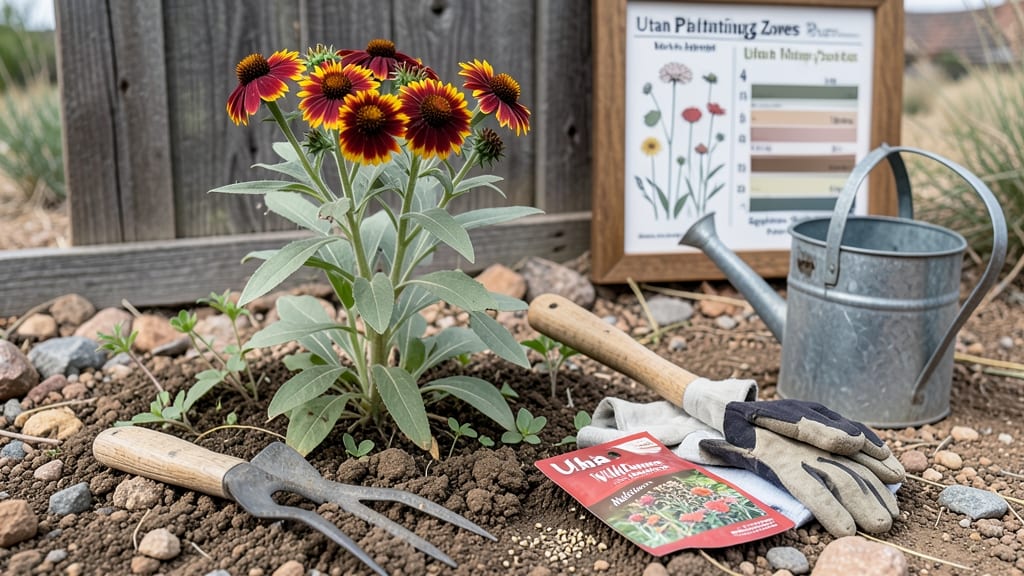
Planting flowers in Utah means timing it right to beat frost, heat, and elevation shifts—spring is your best window for most blooms, but the exact month depends on where you live.
Utah’s diverse climate zones—from high deserts to mountain valleys—can make planting flowers a tricky timing game, but getting it right means vibrant blooms all season long.
Whether you’re in USDA Zone 5 near the Wasatch Mountains or Zone 9 in St. George, the key is planting after your last frost (usually mid-April) and choosing flowers that thrive in your microclimate.
Here’s how to pick the perfect planting window for your region, the best flowers for Utah’s conditions, and pro tips to keep them blooming longer—no matter where you garden.
Utah’s 5 planting zones: when to plant flowers by region
Utah’s diverse climate spans from high deserts to mountain valleys, creating 5 distinct USDA planting zones (4-8). Each zone has unique last frost dates and microclimates that impact when to plant flowers for peak blooms.
Understanding these zones helps you choose the right annuals, perennials, and bulbs for your garden.
For example, Zone 4 (northern Utah) has earlier frost dates than Zone 8 (southern Utah), meaning spring planting starts 4-6 weeks later in the north. Meanwhile, Salt Lake City (Zone 6) and Park City (Zone 5) require adjustments for urban heat islands and elevated altitudes, respectively.
Here’s how to align your flower planting schedule with Utah’s zones, including optimal months for annuals, perennials, and bulbs:
In Zone 4, where Logan and Bear River are located, late frosts can linger until mid-May. Wait until May 15 to plant tender annuals like impatiens or begonias, but hardy perennials (e.g., black-eyed Susans) can go in as early as April 1.
For Zone 6 (e.g., Salt Lake City), urban heat islands can push spring planting back by 1-2 weeks in low-lying areas. Use mulch to protect newly planted bulbs from temperature swings, and opt for drought-resistant varieties like lavender or Russian sage.
St. George’s Zone 8 is Utah’s warmest, with no frost in winter. Here, fall planting (September–October) is ideal for cool-season crops like pansies, while spring planting can start as early as February. Succulents and desert-adapted flowers (e.g., blanket flower) thrive with minimal water
Best flowers to plant in Utah by season (with exact dates)
Timing is everything when planting flowers in Utah, where USDA zones 5-9 create wildly different microclimates. High desert areas like St. George (Zone 8) can plant earlier than Salt Lake City (Zone 6), while mountain valleys may need to wait until after May 1st for safe planting.
I’ve broken down the best seasonal flowers—from drought-tolerant natives to classic annuals—and their exact planting windows to maximize blooms.
For spring planting, focus on cool-season flowers like snapdragons and lobelia as soon as soil temperatures hit 45°F. In summer, heat-loving marigolds and zinnia thrive when planted after May 15th.
Fall offers a second chance with pansies and kale, which handle Utah’s early October frosts beautifully.
🌱
- Spring Planting (March–May)
- March: Tulips and daffodils (bulbs)
- April 15+: Petunias, geraniums, blanket flower
- May 1: Marigolds, zinnia, cosmos (wait for soil warmth)
- Summer Planting (June–July)
- June 15+: Sunflowers, portulaca (drought-proof)
- July 1: Sweet alyssum, bachelor buttons (succession plant)
- Fall Planting (August–September)
- August 15: Pansies, snapdragons (cool-season stars)
- September 1: Calendula, stock (biennials for next year)
For container gardens in urban areas, use self-watering pots and plant drought-tolerant natives like penstemon or yarrow to reduce maintenance.
Utah’s high desert climates demand drought-resistant picks like beebalm and purple coneflower. These thrive with minimal watering once established, making them perfect for low-maintenance gardens. For urban balconies, opt for compact petunias or trailing lobelia in 10-inch pots with well-draining mix.
Mulch with straw or wood chips after planting to retain moisture and regulate soil temperature. In Zone 7+ (e.g., St. George), you can even plant marigolds in late summer for fall color, but protect them with cloches if early frosts sneak in.
Container gardens in Salt Lake City should avoid heavy clay soils—amend with compost for better drainage.
🌿