
Flowers
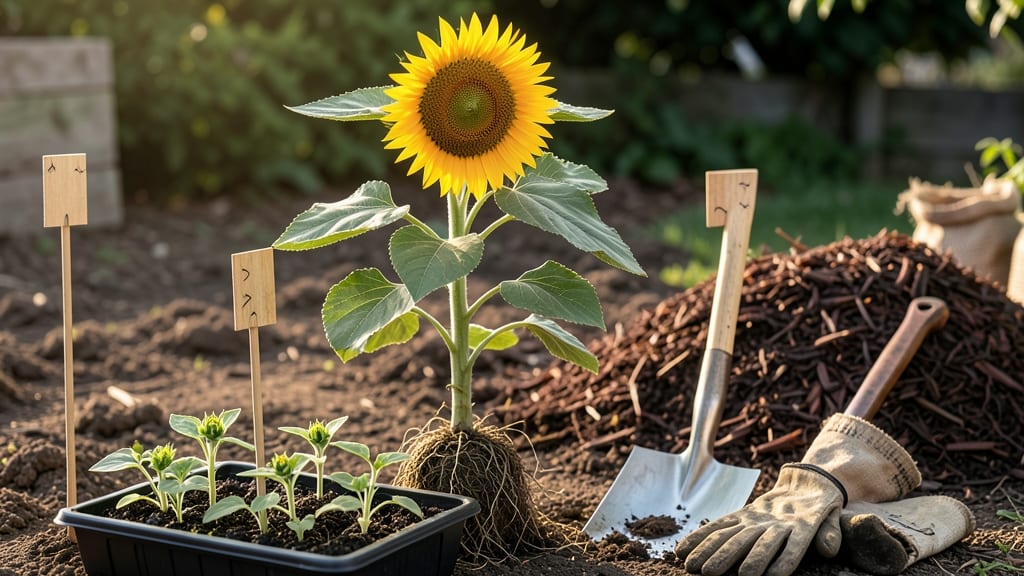
Planting sunflowers in Alabama between mid-April and early June unlocks their full towering potential, especially for varieties like 'Russian Giant' that can reach 14 feet tall.
Picture this: a sunflower 🌻 soaring above your fence, its golden face tracking the sun like a tiny solar panel. But timing is everything—plant too early, and frost will nip those tender sprouts; too late, and your giants might bolt before blooming.
Alabama’s 7a-8b zones mean your frost dates shift from late February in the south to mid-April in the north, so knowing the exact window is the key to maximizing height and harvest.
This guide breaks down the frost-date math for your region, whether you’re in Birmingham or Mobile, plus soil prep tips to give your sunflowers the deep roots they need. We’ll also cover when to start seeds indoors versus direct sowing—because even Alabama’s heat can’t outpace a well-timed planting.
By the end, you’ll know exactly when to drop those seeds for sunflowers that rival your roof, plus how to adjust for Alabama’s unpredictable weather. Let’s get those giants growing!
Alabama sunflower planting timeline by frost dates: best months for tallest varieties
Alabama’s USDA zones 7a-8b create a perfect canvas for growing 10+ foot sunflowers, but your last frost date determines the difference between towering giants and stunted blooms.
In North Alabama (e.g., Huntsville), average last frosts arrive around March 25-30, while South Alabama (e.g., Mobile) typically sees frost-free soil by March 10-15. This 3-week difference means your planting window shifts dramatically—miss it, and your 'Russian Giant' might never reach its full 14-foot potential.
For tallest varieties like 'Mammoth' or 'Russian Giant,' you need a 100+ day growing season. That means starting seeds 4-6 weeks before your last frost—or direct-sowing by mid-April in North Alabama and early April in South Alabama.
If you plant too early, frost will kill seedlings; too late, and your sunflowers may bolt prematurely before reaching their full height. Let’s break down the exact city-specific timelines to ensure your sunflowers grow to their maximum height.
In North Alabama, where frosts linger until late March, aim to plant Russian Giant seeds by April 15. This gives your sunflowers a 120-day growing season before the first frost in November.
For Birmingham, central Alabama’s USDA zone 7b, you can start slightly earlier—April 1—to ensure your 'Mammoth' variety has enough time to reach 12+ feet. Meanwhile, gardeners in Mobile can push the envelope with early March plantings thanks to the region’s warmer climate.
If you’re growing early varieties like 'Autumn Beauty,' you can even start seeds as early as March 1 in South Alabama. These 60-70 day varieties bolt quickly, so they’re perfect for extending your summer harvest window into early fall.
For late varieties, stick to the April-May window—any later, and your sunflowers may not mature before the first frost. Pro tip: Use black plastic mulch to warm the soil faster in cooler regions like Huntsville.
For transplanting seedlings, wait until soil temperatures hit 50°F—typically mid-April in North Alabama and early April in South Alabama. Seedlings are more delicate than direct-sown seeds, so give them a 1-2 week head start indoors if you’re in a higher elevation area like Huntsville.
Harden off seedlings for 5-7 days before transplanting to avoid shock. Remember, tall sunflowers need space: plant them 18-24 inches apart in rows 3 feet apart to prevent competition and ensure straight growth.
Alabama’s humidity and heat can also affect sunflower growth. In South Alabama, where temperatures soar by June, consider shade cloth for young seedlings to prevent bolting. Meanwhile, North Alabama’s cooler nights can slow growth, so use row covers if a late frost threatens.
Always monitor your local weather forecasts—a sudden cold snap in May can still damage tender seedlings. If frost is forecasted after planting, cover your sunflowers with frost blankets or old sheets to protect them.
One common mistake Alabama gardeners make is
How to adjust sunflower planting for Alabama’s unpredictable weather: heat, rain, and soil tips
Alabama’s humid summers and sporadic rain can challenge sunflower growth, but with the right adjustments, you’ll grow 10-foot-tall giants like 'Russian Giant' or 'Mammoth'. The key is adapting to clay-heavy soils in North Alabama and sandy loams in the South, while preventing bolting from sudden heat spikes.
Start by testing your soil’s drainage—sunflowers hate soggy roots but need consistent moisture during flowering.
For wind resistance, space seeds 12-18 inches apart in rows 24-36 inches apart. This prevents stems from toppling during Alabama’s afternoon thunderstorms.
In clay soils, mix in compost or sand to improve aeration, while sandy soils benefit from a 2-inch layer of mulch to retain moisture and cool roots during 90°F+ days.
Alabama’s unpredictable spring rains can delay planting, but don’t wait too long—sunflowers need 90-120 frost-free days to reach maturity. If your last frost is late March (common in North Alabama), start seeds indoors 2-3 weeks before your target outdoor date.
Use biodegradable pots to avoid transplant shock when moving them out after soil temps hit 50°F.
⚠️ Common Mistakes to Avoid in Alabama
- Overwatering: Sunflowers rot in soggy soil. Water only when the top 2 inches of soil are dry, and avoid low-lying areas where water pools.
- Planting too deep: Seeds need 1 inch depth max. Deeper planting causes weak stems that snap in storms.
- Ignoring mulch: Without mulch, bolting occurs faster in Alabama’s heat. Use straw or pine needles to keep roots cool.
- Skipping soil prep: Alabama’s clay soils compact easily. Amend with compost or aged manure before planting.
Pro Tip: If your garden floods often, plant sunflowers on mounds or raised beds to improve drainage.
To maximize height, direct-sow seeds after the last frost date (typically mid-April in North Alabama to early April in South Alabama). For early varieties like 'Autumn Beauty', you can plant as late as early June, but expect shorter stems.
Always thin seedlings to 12 inches apart once they’re 4 inches tall—this reduces competition and encourages taller growth.
Alabama’s humidity and afternoon rains can trigger powdery mildew on sunflower leaves. Prevent it by watering at soil level (not overhead) and pruning lower leaves for airflow.
If mildew appears, spray with a baking soda solution (1 tsp baking soda + 1 quart water + a drop of dish soap) every 7-10 days. This keeps your giants disease-free and focused on growing upward.
For maximum height, fertilize lightly at planting with a balanced 10-10-10 fertilizer, then again when plants reach 12 inches tall. Avoid high-nitrogen fertilizers, which promote leafy growth over stem height.
Instead, use phosphorus-rich fertilizer (like bone meal) to strengthen roots and support those 10-foot stems. Stop fertilizing by mid-summer to encourage flowering.
With these Alabama-specific tweaks, your sunflowers will bolt at the right time, resist wind and rain, and reach their full towering potential. Happy growing—your summer skyline is about to get a whole lot greener! 🌻