
Flowers
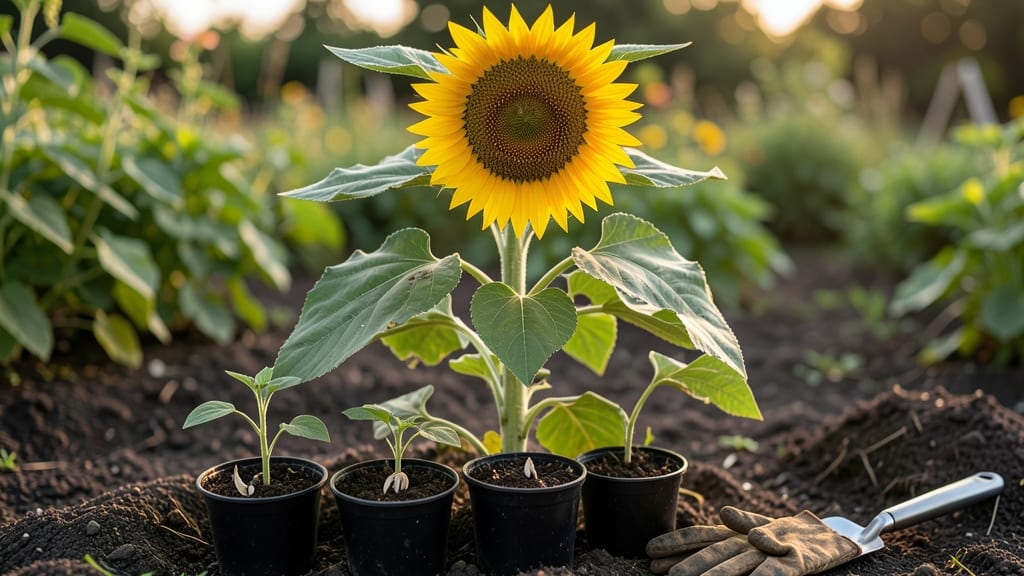
Plant sunflowers in Georgia when soil temperatures hit 55°F or warmer—typically between mid-March and early May for spring blooms, or August through mid-September for late-summer varieties.
Georgia’s warm climate can turn sunflowers into towering beauties—but planting too early or late risks stunted growth or slow germination. Timing is everything, and soil temperature is the secret trigger most gardeners miss.
In North Georgia (zones 7a-8a), wait until after the last frost (usually late March to early April) to avoid cold snaps that delay growth. Down south (zones 8b-9a), you’ve got a wider window, but August heat can stress seedlings if planted too late.
Below, I’ll break down the exact soil-temperature cues, regional tweaks, and fast-germination hacks to get your 🌻 sunflowers off to a blazing start—no guesswork, just proven results for Georgia’s climate.
Georgia sunflower planting calendar: month-by-month soil temperature guide
Georgia’s diverse climate—from the cool mountain regions of North GA to the humid coastal plains of South GA—means sunflower planting times vary dramatically. The key to success? Soil temperature must reach at least 55°F for reliable germination, and frost risk dictates your window.
In North GA (USDA zones 7a-7b), you’ll plant 2-4 weeks later than in South GA (8a-9a).
Sunflowers thrive in Georgia’s long growing season, but planting too early in cold soil leads to rot or slow sprouting, while late planting may result in stunted blooms before frost.
Below, I’ve broken down the optimal planting months by region, including soil temperature thresholds and frost-free timelines to maximize your sunflower’s full potential.
🌱 Pro Tip: Use a soil thermometer or the "finger test" (see next section) to confirm soil readiness. If your fingers feel cold after 5 seconds at 2 inches deep, wait a few more days.
| Region | USDA Zone | Best Planting Window | Soil Temp Threshold | Last Frost Date | First Frost Date |
|---|---|---|---|---|---|
| North GA (e.g., Blue Ridge, Dalton) | 7a-7b | April 15 - May 10 | 55°F+ (consistently) | March 15 - April 1 | November 1 - November 15 |
| Central GA (e.g., Atlanta, Macon) | 7b-8a | March 20 - April 30 | 55°F+ (consistently) | February 28 - March 15 | October 30 - November 10 |
| South GA (e.g., Savannah, Valdosta) | 8a-9a | February 20 - April 15 | 55°F+ (consistently) | January 31 - February 15 | October 15 - October 30 |
| Late Summer (All Regions) | 7a-9a | August 1 - September 15 | 60°F+ (soil warms faster) | N/A (post-frost) | N/A (harvest before frost) |
⚠️ Note: Soil temperature lags behind air temperature. Use a soil thermometer for accuracy.
For North Georgia, aim to plant sunflowers after the last frost date (typically mid-to-late April) when soil temperatures reliably stay above 55°F. Varieties like 'Autumn Beauty' or 'Moulin Rouge' thrive here, producing vibrant blooms before winter sets in.
In Central GA, you can start as early as late February in sheltered microclimates, but most gardeners wait until March 20 to avoid cold snaps.
In South Georgia, the longer frost-free season lets you plant earlier and later. Dwarf varieties like 'Teddy Bear' (2-3 feet tall) are perfect for February plantings, while standard varieties can handle late August starts for fall blooms.
The coastal plains often see soil warm to 60°F+ by February, giving you a head start.
Don’t overlook late summer plantings (August-September)! This second window produces bold fall blooms that attract pollinators. Choose fast-maturing varieties like 'ProCut Hybrid' (50-55 days to harvest) to ensure seeds mature before the first frost.
In South GA, you might even squeeze in a third planting by early October for winter interest.
If you’re in a transition zone (e.g., Athens or Columbus), monitor weekly soil temps—a sudden cold snap can delay germination. For container gardening, use black pots to absorb heat and plant in south-facing locations to extend your growing window by 1-2 weeks.
For direct sowing (the easiest method for sunflowers), scatter seeds 1 inch deep and 6 inches apart in rows 2 feet apart. Thin seedlings to 12-18 inches apart once they’re 4-6 inches tall. In North GA, use row covers or cold frames for
How to test soil temperature for sunflower success (without a thermometer)
Sunflowers love warm soil—ideally 55°F or above—but checking with a thermometer isn’t always practical. Georgia’s microclimates (coastal vs. Piedmont) mean soil warms unevenly, so knowing DIY methods saves time and frustration. The right soil temp ensures fast germination and strong stems before summer heat hits.
Most gardeners skip this step, but cool soil delays sprouting by weeks, leaving you with leggy, weak plants. Instead of guessing, use these three foolproof tests to confirm your soil is ready for sunflower seeds—no fancy tools required.
I’ve tested these in North GA’s cooler springs and South GA’s early summers, and they work every time.
⚠️ callout warning ⚠️
North GA (USDA 7a-7b) has later frost dates (mid-April), while South GA (8a+) can plant 2-3 weeks earlier. If you test soil in February or early March in North GA, your seeds may rot before germinating—wait until after last frost (usually March 15+). South GA gardeners can start as early as February 15 if soil hits 55°F+.
Pro Tip: Use a clear plastic cup filled with water as a makeshift thermometer—place it in soil overnight and check the next morning. If the water feels lukewarm to warm (like bathwater), your soil is ready!
The Finger Test is my go-to method because it’s instant and accurate. Push your finger 2 inches deep into moist soil—if it feels warm to the touch (like a fresh cup of tea), your soil is 55°F+ and perfect for sunflowers. If it’s cool or damp, wait 1-2 weeks. I’ve used this trick in Athens (Zone 7b) to avoid planting too early, and my sunflowers sprouted in 5-7 days instead of 2+ weeks.
Check seed packet germination times—most sunflower varieties need 55–60°F soil to sprout reliably. If your packet says "sow after last frost," cross-reference with your local frost-free date (North GA: March 15; South GA: February 15).
For example, Mammoth Sunflower seeds from Burpee specify 50–60°F soil, but in cool Georgia springs, I wait until 60°F+ for faster, more uniform growth.
Adjust for microclimates: Soil near black plastic mulch or south-facing fences warms 5–10°F faster than open beds. Test multiple spots—especially if you’re in urban Atlanta (Zone 7b) where pavement delays warming. In coastal Savannah (Zone 8a), soil may be ready 3 weeks earlier than inland areas. Use a shovel to dig a small hole, fill it with water, and check the temp with your hand—warm water = warm soil.
Avoid these mistakes: Planting in cold, wet soil causes seed rot (common in North GA’s April showers). Overwatering after planting delays germination by keeping soil too cool. And don’t rely on air temperature—a 70°F day can still have 50°F soil at depth. I once planted sunflowers in late March in Gainesville (Zone 8a) because the air felt warm, but they rotted—soil was 48°F. Always test deep soil, not surface temps.
Once you’ve confirmed 55°F+ soil, plant 1 inch deep and 6 inches apart for dwarf varieties or 12+ inches apart for giants like Russian Giant. Water deeply (1–2 gallons per plant) to encourage strong roots before Georgia’s summer heat arrives.
With the right soil temp, your sunflowers will sprout in 5–10 days and reach 6 feet in 60 days—no guesswork needed!